What is gap insurance?


Key takeaways
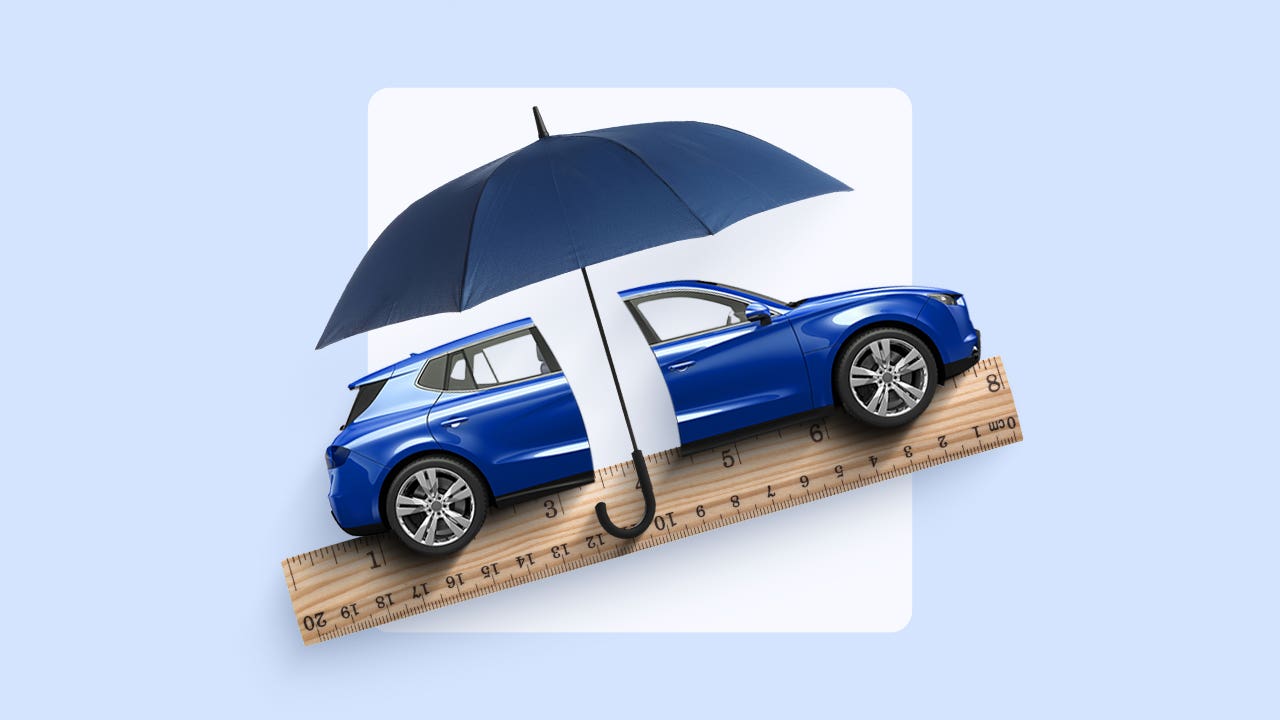
- Gap insurance is an endorsement that covers the “gap” between the amount owed on a vehicle and its actual cash value in the event of a total loss or theft.
- Gap insurance is often required by lenders or leasing companies for new or nearly new vehicles.
- Gap insurance costs vary, but it is typically around $20 per year.
- It is usually more cost-effective to purchase gap coverage from your insurance provider rather than from a dealership.
If you have an auto loan or lease a new vehicle, you might consider adding gap insurance to your car insurance policy. The meaning of “gap” in gap insurance is guaranteed asset protection. This coverage adds an extra layer of financial protection if your vehicle is rendered a total loss or stolen and unrecoverable, and you owe more on your car than it was worth at the time of the incident.
What is gap insurance on a car insurance policy?
Gap insurance is a car insurance endorsement that covers the “gap” between the amount owed on a vehicle and its actual cash value (ACV) in the event the vehicle is totaled, stolen or rendered a total loss after a covered incident. Although gap insurance is typically optional, if you have a loan or lease your vehicle, your financial institution may require you to carry it.
Your car’s actual cash value is what it’s worth today — not when you first bought it.
Most vehicles, even brand-new ones, begin to depreciate the moment they’re driven off the lot. According to the Insurance Information Institute, the majority of cars lose 20 percent of their value within a year. Importantly, your car insurance policy usually covers your vehicle for what it’s worth at the time of a claim — not what it originally cost. So, if you’re still paying off your car, it’s possible that the money you receive from your insurance company after an accident will be less than what you owe on your car, leaving you in a financial bind. That’s where gap insurance comes in.
How gap insurance works
Let’s say you used an auto loan to buy your new car and currently owe $25,000. However, due to depreciation, your vehicle is only worth $20,000. If you’re in a covered accident that renders your vehicle a total loss — or you have comprehensive coverage and your car is stolen — your insurance company may only give you a maximum of $20,000, minus your deductible. Gap insurance can help cover the $5,000 difference between what you owe on your car loan and your vehicle’s current market value. Some gap policies also cover your car insurance deductible, but note that this is not always the case.
What gap insurance covers and doesn’t cover
| Covered | Not covered |
|---|---|
| New cars or models less than a year old that are totaled | Cost of buying a new vehicle |
| New cars or models less than a year old that are stolen (if you have comprehensive coverage) | Vehicle repairs |
| Sales or trade-ins |
Who is eligible for gap insurance?
Gap insurance is generally available to drivers who have financed or leased a new or nearly new vehicle. If you owe more on your auto loan or lease than the car’s actual cash value, you may benefit from gap insurance. Typically, financial lenders or leasing companies will require you to have gap insurance if your loan-to-value ratio is high. This ensures that if your car is totaled or stolen, you won’t be left with an outstanding loan or lease balance that’s more than the car’s value was prior to the incident. However, it’s important to check with your insurance provider and lender for specific eligibility requirements and terms.
To buy gap insurance, you’ll usually need to carry full coverage car insurance. Exactly what constitutes a full coverage policy can change depending on your insurance company, but most often, it means you have both comprehensive and collision coverage.

Powered by Coverage.com (NPN: 19966249)
Coverage.com, LLC is a licensed insurance producer (NPN: 19966249). Coverage.com services are only available in states where it is licensed. Coverage.com may not offer insurance coverage in all states or scenarios. All insurance products are governed by the terms in the applicable insurance policy, and all related decisions (such as approval for coverage, premiums, commissions and fees) and policy obligations are the sole responsibility of the underwriting insurer. The information on this site does not modify any insurance policy terms in any way.
Compare auto insurance rates
Powered by Coverage.com (NPN: 19966249)
Coverage.com, LLC is a licensed insurance producer (NPN: 19966249). Coverage.com services are only available in states where it is licensed. Coverage.com may not offer insurance coverage in all states or scenarios. All insurance products are governed by the terms in the applicable insurance policy, and all related decisions (such as approval for coverage, premiums, commissions and fees) and policy obligations are the sole responsibility of the underwriting insurer. The information on this site does not modify any insurance policy terms in any way.
How much is gap insurance?
The short answer? It depends. Exactly what you pay for gap insurance will depend on your insurance claims history, your vehicle’s actual cash value, where you get your coverage from, how much you owe on your loan and other factors. According to the Insurance Information Institute, adding gap insurance to a full coverage auto policy averages around $20 per year.
It’s generally more cost-effective to purchase gap insurance from your existing insurance provider rather than from a car dealership or lender. Car dealerships tend to charge more for gap insurance, and adding it to your auto loan could mean you need to pay interest on it — which can cost more in the long run. To ensure that you’re getting a good deal on your coverage, compare quotes from your car insurance provider and your dealership or lender.
When does gap insurance pay out?
Gap insurance is designed to cover the monetary difference between the actual cash value of your vehicle and the remaining amount on your loan or lease if your vehicle is stolen or declared a total loss. However, it’s important to note that gap insurance is specifically focused on this “gap” and does not extend to other expenses, such as personal injuries, vehicle repairs or damage to other vehicles. Unlike the liability part of your car insurance policy, which can cover a range of expenses, gap insurance only has one purpose.
When does gap insurance not pay?
There are certain circumstances where gap insurance won’t provide a payout. These include:
- The policy has expired due to nonpayment
- Any deceit or material misrepresentation by the policyholder
- The claim is not covered within the terms of the policy
- A breach in the car loan or lease agreement terms
- The loss occurs during any predetermined waiting periods before coverage kicks in
It’s also worth mentioning that gap insurance typically does not cover deductibles unless deductible reimbursement is explicitly stated as a provision in the policy.
Where to buy gap insurance: Reviews of top providers
Some auto insurers, like Geico, do not offer gap insurance, while others vary in how this protection is offered and how it works. Here’s a quick look at a few options from major auto insurers:
- State Farm: While it’s not technically State Farm gap insurance, the largest auto insurer in the U.S. offers Payoff Protector with every vehicle loan initiated by State Farm Bank. However, if you have a loan from somewhere else, you won’t be able to get Payoff Protector.
- Allstate: The Allstate gap program waives covered losses up to $50,000 and reimburses a deductible payment of up to $1,000. It is offered for new and used vehicles.
- Progressive: Progressive caps loan/lease payoff coverage at 25 percent of the vehicle’s actual cash value. However, deductibles are not included.
- Nationwide: Nationwide offers gap insurance but does not waive your deductible if you file a claim.
- AAA: AAA offers gap coverage for vehicles that are fully covered — meaning the policy includes comprehensive and collision coverage. But, you must be an AAA member in order to qualify for a car insurance policy. Availability may vary by region.
- USAA: USAA auto insurance is available to active-duty military, veterans and their immediate families. USAA offers Car Replacement Assistance, which includes an extra 20 percent above the vehicle’s actual cash value if it is totaled.
- Travelers: Travelers offers loan/lease gap coverage for new vehicles.
- The Hartford: The Hartford offers gap insurance for new vehicles. Drivers must add gap insurance to a policy with collision and comprehensive coverage within 30 days of when the vehicle is purchased or leased. The Hartford is only available to AARP members.
- Liberty Mutual: Under Liberty Mutual’s gap insurance add-on, the coverage will pay the difference if your remaining loan amount is larger than your car’s actual cash value. Deductibles are not covered.
Is gap insurance worth it?
Gap insurance is often encouraged by lenders or auto insurance companies for new vehicles when or if:
- The auto loan has a length of five years or longer
- The loan has a high interest rate
- The down payment on the vehicle is less than 20 percent
It is generally recommended that you compare the amount you will pay for your car over the life of your financing to the car’s MSRP or agreed-upon sales price to see if you have a gap from the start. In the event you do, gap insurance may be a good idea.
Keep in mind your “gap cost” is always fluctuating. Generally, the difference between what you owe and how much the vehicle is worth shrinks as you make monthly payments and as the car depreciates. Unless it’s required by your lender, you can cancel gap coverage at any time. But insurance professionals advise against dropping gap coverage until the amount owed on the vehicle is less than its market value.
If you are still unsure of whether gap insurance is worth it, consider the cost versus benefit. Gap insurance is fairly inexpensive. In many cases, it can be added to an existing full coverage policy for a nominal cost per year — likely far less than the difference between your car’s value and your outstanding loan amount.
Reddit user review
*The quotes and citations included on this page have been verified by our editorial team and are accurate as of the posting date. Outlinked content may contain views and opinions that do not reflect the views and opinions of Bankrate.
Gap insurance for leased cars
Like any car or SUV, leased vehicles depreciate quickly. If you did not put much money down and still owe a sizable amount on your total lease, you will likely owe more than the vehicle is worth if you get into an accident. In this case, gap insurance coverage for your lease might be a smart financial decision.
As with a purchased car, it might help to compare your total cost — including taxes and anything else you rolled into the lease — to the vehicle’s MSRP to determine if you have a gap.
Just like a purchased vehicle, the difference between what you owe and what the car’s worth decreases as you make monthly payments and as the car depreciates. This means you may not need the coverage for your entire lease period. You may only need it for a few months, depending on your lease agreement.
What are some alternatives to gap insurance?
While gap insurance offers a crucial financial safeguard, there are other options that you might want to consider. These include:
- New car replacement: This insurance can replace your new car if it’s totaled within a certain timeframe (usually a year or less) and with a mileage limit (typically less than 15,000 miles).
- Better car replacement: This coverage allows you to replace your totaled car with a newer model or a used vehicle with fewer miles.
These alternatives each offer distinct advantages and disadvantages compared to gap insurance, and the best choice depends on your specific circumstances and needs. Be sure to weigh the costs and benefits before making your decision.
Frequently asked questions
Why we ask for feedback Your feedback helps us improve our content and services. It takes less than a minute to complete.
Your responses are anonymous and will only be used for improving our website.

You may also like




What is an auto loan and how does it work?