What is a checking account?


Key takeaways
- Checking accounts are commonly used for paying bills, writing checks, making debit card purchases and ATM cash withdrawals.
- A checking account can also serve as a place to receive your payroll or benefits direct deposit and send money digitally to friends and family.
- Checking accounts are often covered by federal deposit insurance.
- Most checking accounts don’t bear interest.
A checking account is a bank account that’s designed to be the hub of your financial life. You should easily be able to deposit money into these accounts and withdraw it. Usually, you can access your checking account funds using checks, a debit card or a number of online transfer options.
What is a checking account used for?
A checking account helps you manage your money. Some common uses for a checking account include:
- Bill payment (online, automatic or by check).
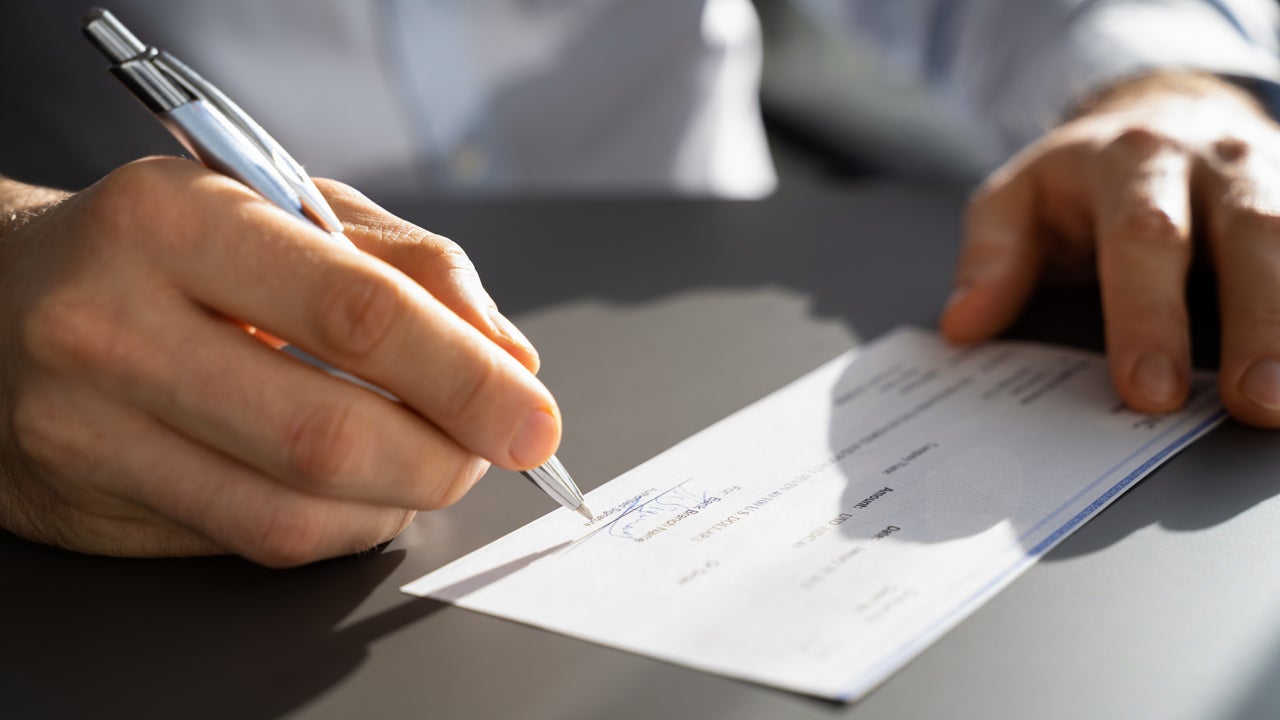
- Check writing.
- Debit card transactions.
- Electronic funds transfer to savings or investment accounts.
- Direct deposit.
- Withdrawing cash at an ATM.
- Sending wire transfers and person-to-person payments (e.g. Zelle and Venmo).
Unlike savings accounts, checking accounts don’t limit the number of transactions you can make or charge fees for excessive transactions. Checking account features and services
Checking account features help you navigate daily financial tasks. Here’s what a checking account can do for you:
- Debit card access. A checking account provides a debit card linked to the account. This makes everyday purchases — both in person and electronic — and ATM withdrawals possible.
- Online and mobile tracking and budgeting. Using this feature, you can check balances, transfer money, pay bills and deposit checks. Some bank apps allow you to create a budget, set alerts and access customer support.
- Overdraft protection. If you end up spending more than you have available, overdraft protection helps bridge the gap by covering transactions that exceed the account balance. You typically have to opt in to these types of programs and some charge you a fee for this privilege, though others have eliminated or reduced overdraft fees.
- Direct deposit. The direct deposit feature allows account holders to have income be deposited electronically into the checking account. Some financial institutions even allow early access, up to two days, to funds that are direct deposited.
- Check writing. Although checks aren’t as popular as they used to be, they can still come in handy. For example, some landlords may still only take payment via check.
Benefits of checking accounts
Checking accounts keep your money safe and accessible, and they make it easy to automate your money management.
Safety
- Using a debit card for purchases can be safer than carrying around large amounts of cash. If you lose your wallet, a debit card can be locked down and transactions disputed if you report them quickly, which can help protect your money should your wallet become lost or stolen.
- If your checking account is with a federally insured bank or credit union, your money is safe even if your insured financial institution fails, as long as your balance is within the established limits and guidelines.
- Through the Federal Deposit Insurance (FDIC) or National Credit Union Share Insurance Fund (NCUSIF), funds are insured for up to $250,000 per depositor or share owner, per insured financial institution, per ownership category (such as joint or single accounts).
Ease of access
- A checking account makes it easy to access your money using a debit or ATM card, checks and online payment features. It can be used for everything from retail purchases to rent or mortgage payments to automated bill payments.
- If you need to pay your friends or family, many checking accounts feature a peer-to-peer transfer service, such as Zelle, that you can use from your smartphone or computer. You can also link your account to other services like Venmo to make quick transfers.
Automation
- Checking accounts make it easy to automate money management. You can set up direct deposit, for example, so paychecks are automatically credited to your account, eliminating the need to manually deposit your funds each time you get paid.
- You can also set up automatic payments so that money is deducted to pay your regular expenses, such as credit card, utilities and other bills on their due dates.
- Automation can also help you save. Consider having some of your paycheck deposited into a high-yield savings account and the rest deposited into your checking account. This is called split-deposit, also known as paying yourself first, and it can put your savings on autopilot.
Access to overdraft protection
Overdrafts can occur when you withdraw more money from your account than you actually have in it and your balance dips below zero. The overdraft fees the bank charges you to cover your payment can be expensive, though some banks now offer this service free of charge.
Many checking accounts offer overdraft protection, which automatically transfers funds from your savings account or a line of credit when your checking account is overdrawn.
Checking vs. savings accounts
A checking account is best for making day-to-day financial transactions, while a savings account is a good place for funds set aside for emergencies, or financial goals such as a vacation or a new car purchase.
| Feature | Checking account | Savings account |
|---|---|---|
| Debit card | Yes | Not usually |
| Check writing | Yes | No |
| Interest rate | Low or none | Higher (with the best accounts) |
| Minimum balance requirements | Varies (often low or none) | Varies (potentially higher than checking accounts) |
| Typical use | Daily transactions | Saving money |
You can get the best of both worlds by having your checking account at a brick-and-mortar bank and a high-yield savings account at an online-only bank. This way, you’re able to walk into a bank for checking issues or to make cash deposits while earning a competitive yield on your savings at an online bank.
Common checking account fees
When shopping around for the right checking account, pay attention to what fees may be charged. While free checking accounts are widely available, many checking accounts charge fees. Some common ones include:
- Monthly maintenance fees. Not all checking accounts have these, and those that do may waive them when you meet certain requirements, such as signing up for direct deposit, maintaining a minimum balance or making a set number of debit-card purchases.
- ATM fees. Your bank may provide its own ATMs or give you access to a network of fee-free ATMs, like Allpoint or MoneyPass. Using ATMs outside the network could result in fees from your bank as well as the ATM owner. Some banks reimburse up to a set amount of these fees each month.
- Overdraft fees. Withdrawing more money than you have in your checking account can result in an overdraft fee. The average overdraft fee is a hefty $26.77, according to the 2025 Bankrate Checking Account Survey.
You can avoid these automatic fees by opting out of them with your bank. This will cause payments to be returned, rather than overdrawing. You can also choose to enroll in overdraft protection if your bank offers any free ways to use it — such as linking a savings account to cover transactions — or opt for a bank that doesn’t charge overdraft fees.
Types of checking accounts
The type of checking account that is best for you will depend on where you are in your financial journey and how you feel most comfortable managing your money. Some basic types include:
- Traditional checking. An account for everyday banking needs and provides all the basics you would expect, including a debit or ATM card, online bill payment access and checks.
- Interest checking. Interest-bearing checking accounts often allow you to earn an APY, usually in exchange for having your paycheck directly deposited or making a minimum number of monthly debit card transactions.
- Student checking accounts. Often available to students in their teens and 20s, the best student checking accounts offer perks to anyone learning to manage their money.
- Second-chance checking. Anyone who has been denied a traditional checking account based on a history of excessive overdrafts or unpaid overdrawn balances might consider a second-chance checking account.
- Business checking. Having a business checking account is one way to have the ability to accept credit card payments from customers. Business banking also offers you limited personal liability protection, according to the U.S. Small Business Administration and the FDIC.
How to choose a checking account
To settle on a checking account, consider which type is best for you, then evaluate the finer details. Monthly maintenance fees: These fees can eat away at your balance over time — luckily it’s not hard to find a free checking account that doesn’t charge these fees.
- ATM availability: The total average out-of-network ATM fee is $4.86, according to Bankrate’s 2025 Checking Account Study. Avoid these fees by choosing, a bank that offers plenty of its own ATMs, one that belongs to a large ATM network or one that reimburses you ATM fees.
- Branch availability: If you prefer in-person banking, find a bank with branches in your area but watch out for fees (these banks tend to charge them more to help cover the cost of brick-and-mortar locations). Most banks with branches also offer online banking, so branch availability should be a factor for those who want a hybrid experience as well.
How to open a checking account
- Research your options. Use the information you’ve learned to find the best option for you and your banking needs. Put more weight on the factors that apply to your style of banking and make a decision from there. From there you can open your checking account.
- Fill out an application. This typically involves providing some personal information and a government-issued ID, such as a driver’s license. If you’re funding your new account from your old checking account, you’ll need both the routing number and account number for your old account. If you’re opening an account in person, you might be able to make your initial deposit with a check or cash.
- Review your old account’s transactions. Transfer any automated payments from the old account to the new one. Update your employer’s payroll manager with your new account information to ensure your direct payroll deposit goes to the correct account. Human resources can usually help make that change.
- Close your unused account. Once a couple of months have passed with no automatic bill payments from your old account, you should be ready to close it and continue on with only the new checking account. If your old account charges a monthly fee though, make sure you continue to meet the requirements to waive it while you wait to close the account.
Why we ask for feedback Your feedback helps us improve our content and services. It takes less than a minute to complete.
Your responses are anonymous and will only be used for improving our website.

Up next






We appreciate your feedback
Thank you for taking the time to share your experience.