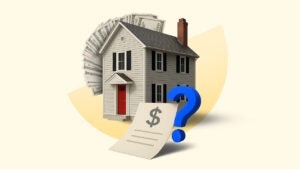
New homes may be cheaper, but buyer beware


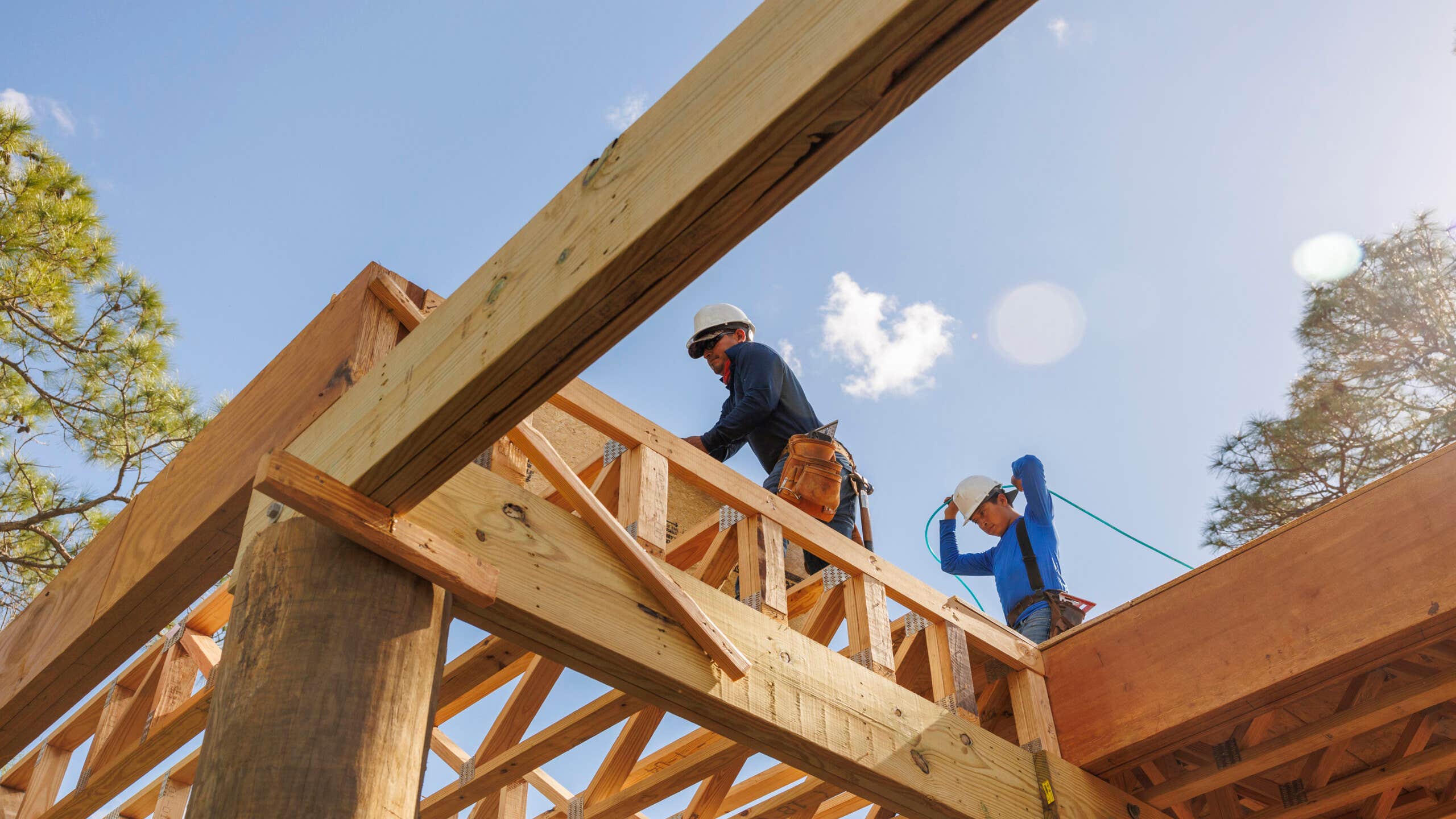
There aren’t enough homes for sale. Existing homeowners have self-imposed golden handcuffs in the form of 3% mortgage rates, and they aren’t in a hurry to move.
We keep hearing that the U.S. needs more housing inventory, which is true, but that lament is geographic. In fact, some markets are experiencing an overbuilding phenomenon. And builders, eager to rid themselves of inventory, do a good job of enticing homebuyers with few other options to gobble up those homes.
An impatient homebuyer could find themselves tempted into an inadvisable purchase.
Florida is the epicenter of this trend. Punta Gorda building permits hit an all-time record in late 2021. At the peak, permit activity tripled pre-pandemic levels and was 15-20 times the levels typical throughout most of the 2010s.
But from January 2025 to January 2026, Punta Gorda experienced the largest drop in home prices in the nation, according to Realtor.com. Active housing market inventory in Punta Gorda is 76% higher than pre-pandemic levels. The homebuilding boom that took place over the past few years has backfired, leaving some of those enthusiastic homebuyers from a few years ago holding housing supply in a market with not enough demand.
What does all of this mean for today’s homebuyers? It means understanding exactly what you’re getting in a new build and doing your research to control all the aspects of the homebuying process that you can.
The worst housing markets in America
Last year, the Wall Street Journal proclaimed that Cape Coral, near Punta Gorda, was “the worst housing market in America.” Reasons included the most underwater homeowners in the nation (that is, people who owe more than their home is worth), along with declining home prices and a glut of unsold inventory.
Many of today’s coldest housing markets are in the South. The Sun Belt, particularly places like Florida, Texas and Tennessee, lured relocators with the promises of warm weather, affordable housing and low taxes. Earlier this decade, home prices rose dramatically in places like Nashville; Austin, Texas; and all across the Sunshine State. But now we’re seeing that what goes up can come down, particularly when too much new construction goes up too quickly.
The potential mistake was thinking that an object in motion stays in motion. And that no price is too high for markets experiencing seemingly insatiable demand. Like a diner at an all-you-can-eat buffet, prospective homebuyers need to know when enough is enough. There should be a limit to how much you’re willing to pay. Home prices go up and down, particularly in the short term.
When that new home smell fades
Newly built homes offer a certain appeal to buyers. It’s nice to be able to customize your living space, and you’re not inheriting someone else’s problems, like an aging roof or a wheezing furnace.
Plus, the median sales price of a new home ($387,400) is substantially lower than that of an existing home ($417,700). There are a few reasons for this, including size (many of today’s new homes are a bit smaller than their predecessors) and location (there isn’t any new land to develop in the heart of Manhattan or San Francisco, so new homes tend to be a bit further afield).
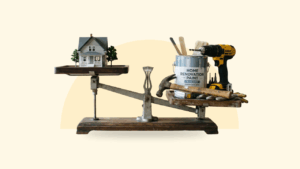
But the big thing for buyers to remember is that sometimes new homes are cheaper because of builder incentives that may not measure up over time.
Six out of every 10 homebuilders offered incentives in May, according to the NAHB/Wells Fargo Housing Market Index. That marked the 14th consecutive month with a share of 60% or higher. Some 32% of builders cut prices in May. That ratio (almost twice as many incentives as price cuts) usually doesn’t favor the buyer.
Lower prices would beat incentives
It’s usually better to secure a lower price than some other incentive. Yes, there’s value in getting upgraded countertops or other design elements. But if you’re paying a higher price for the home, most people end up financing those add-ons over 30 years and, right now, the average 30-year fixed mortgage rate is 6.60%, the highest in nine months.
Builders are often trying to sell multiple homes within their new development. And the price of one home in that development can impact the price of all the others. That’s why builders would rather offer incentives than lower the actual price of a home. Incentives make the buyer feel like they’re getting a deal, but the builder gets to keep the average price of the homes in the development high. The problem for buyers is that those sale prices might be a bit inflated above what the overall market would actually support, which ultimately affects your equity opportunities.
Many incentives come and go, like a credit towards closing costs or a temporary mortgage rate buy-down. Incentives are better than no incentives, but they can still come at a cost if they manipulate you into overpaying for the home.
That’s what many homeowners in markets like Punta Gorda and Cape Coral are currently dealing with. The oversupply problem is such that they’re not getting the sales prices they want. Their homes are sitting on the market for longer than they would like and eventually selling for less than they’d hoped. Remember, value in real estate ultimately comes down to what someone else is willing to pay for it.
Buyers be wary… and thoughtful
If you’re considering buying into a new development, make sure the rug doesn’t get pulled out from under your feet. You don’t want to buy high and sell low. Furthermore, mortgage rates are high right now, so make sure you’re taking the time to research and find the best possible rate. Every dollar you save on interest contributes to your equity over time.
Speaking of time, consider your time horizon: If you’re planning to stick around for the long haul, you can afford to ride out some ups and downs in the market. But if you think you might sell in the next few years, be especially wary of any customizations that could turn off potential buyers and consider whether you might be entering the market at a high point.
“During the pandemic-era frenzy, sellers in Punta Gorda were walking away with profits averaging about 88% over what they originally paid,” according to the New York Post. “Now that figure has shrunk to roughly 58%, dramatically narrowing the cushion for homeowners — particularly those who bought closer to peak pricing.”
Overpaying now translates into regrets later. A home’s true value is what someone is willing to pay for it, and if you find yourself on the wrong side of a building boom, you might end up getting the short end of the stick.
Have a question about your finances? E-mail me at ted.rossman@bankrate.com and I’d be happy to help.
Why we ask for feedback Your feedback helps us improve our content and services. It takes less than a minute to complete.
Your responses are anonymous and will only be used for improving our website.