Best starter credit cards



Looking for the best starter credit card to begin your credit journey is a big decision. But don’t worry, there are plenty of good choices on the market to choose from. You’ll want to pick a card that helps you build your credit while allowing you to learn the ropes of how to make good credit habits.
Regardless of your credit history, you should start by:
- Checking your credit score. Once you understand your score, you can narrow your search.
- Determining which type of credit card works best for your spending habits.
- Browse and compare your options.
Top starter credit cards
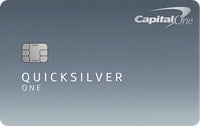
Capital One QuicksilverOne Cash Rewards Credit Card
-
The Capital One QuicksilverOne Cash Rewards Credit Card is a sound starter card if you have a limited or less-than-ideal credit history. You can earn solid flat-rate rewards while building credit since the card reports your activity to all three credit bureaus. While the card has an annual fee of $39, it offers surprisingly good benefits, including no foreign transaction fees, automatic account reviews, travel assistance services and free credit monitoring.

Pros
- The straightforward earning rate on this card is reasonable compared to other cards for fair credit.
- The card balances earning rewards and building credit to help you learn the ropes of responsible credit use.

Cons
- You must spend at least $2,600 annually to earn enough cash back to offset the annual fee.
- There’s no welcome offer or intro APR to provide extra initial value.
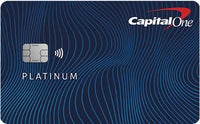
Capital One Platinum Credit Card
-
The Capital One Platinum Credit Card is an unsecured card that helps you build credit with responsible use, and it’s fairly easy to qualify for. Since you won’t earn rewards, your goal should be to learn positive credit habits, like keeping your credit utilization ratio under 30% and making on-time payments. You’ll have access to free credit monitoring, and you can be considered automatically for a credit limit increase in as quickly as six months, which is one of the fastest review timeframes available.
Pros
- You won’t need to put down a security deposit with this card.
- Credit limit increases with the card can help you maintain your credit utilization ratio.
Cons
- Other credit-building cards offer rewards on purchases.
- The card has a potentially high APR, which makes carrying a balance very expensive.

opensky® Secured Visa® Credit Card
-
The opensky® Secured Visa® Credit Card is a secured credit card that doesn’t require a credit check to apply, making it a good starter card option for someone with no credit or a recent bankruptcy. While it does have a $35 annual fee, the card reports your payments to the three credit bureaus, which can help you build credit regardless of your credit situation.
Pros
- You can access this card without a credit history.
- Its security deposit limit is up to $3,000, which can help with maintaining credit utilization ratios.
Cons
- You can only earn rewards through card-linked merchant offers.
- This card charges an annual fee, which might be difficult to manage if you have a low starting credit limit.
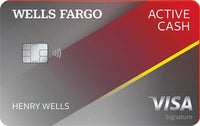
Wells Fargo Active Cash® Card
-
The Wells Fargo Active Cash® Card is a strong contender for anyone who already has good credit (a FICO score of 670 and above). This card earns an unlimited flat rate of 2% cash back on all purchases — making this one of the simplest rewards cards on the market. It also comes with a solid welcome offer: earn $100 when you spend $500 in the first three months of account opening. If you’re looking for a card that limits distractions from your credit-building while still earning rewards, this is a strong contender.
Pros
- Its flat cash back rate is one of the highest you’ll see on the market.
- This card comes with an intro APR offer on qualifying balance transfers and purchases.
Cons
- It charges a foreign transaction fee, so don’t use it on purchases outside the U.S.
- Its variable APR range may be significantly over the average interest rate, so be mindful not to carry a balance.

Discover it® Student Cash Back
-
The Discover it® Student Cash Back card is arguably the best card for students currently available. It offers a solid variety of rewards categories, including grocery stores, restaurants and gas stations. Students will also benefit from low fees and an intro welcome offer called Unlimited Cashback Match, where Discover matches all the cash back earned in the first year.
Pros
- It comes with no annual fee, no foreign transaction fee and no penalty APR.
- This card allows students to check their FICO credit score for free for up to 12 months.
Cons
- Rotating bonus categories may be a bit high-maintenance for new cardholders.
- The quarterly categories have a maximum spending cap, which can limit potential earnings.
Comparing the best starter credit cards
Our choices for the best starter credit cards cover many stages of credit history, offering something for everyone.
| Card Name | Best for | Annual Fee | Recommended Credit Score |
| Capital One QuicksilverOne Cash Rewards Credit Card | Unsecured card with rewards | $39 | 580-850 |
| Capital One Platinum Credit Card | Building credit | $0 | 580-850 |
| opensky® Secured Visa® Credit Card | No credit check | $35 | No credit history |
| Wells Fargo Active Cash® Card | Simple cash back | $0 | 670-850 |
| Discover it® Student Cash Back | Students | $0 | No credit history |
How to build credit with your starter credit card
Once you’ve got your starter credit card, you can start building up credit by using it responsibly. Here are some pointers on how to get the most out of your starter credit card.
- Pay your bill on time. Whether you pay in full or not, be sure to make your payments by the due date. If you miss a payment, not only will you be charged late fees, but those late payments can negatively affect your credit score.
- Maintain good credit utilization. As a rule, you don’t want to use more than 30% of your available credit. The lower your balance is compared to your credit limit, the better your credit utilization ratio will be.
- Check for mistakes and monitor your progress. Check your statement for any mistakes. If your card gives you access to credit monitoring features, check your score regularly. You’re also entitled by law to receive a free copy of your credit report each year from the three credit bureaus, which you can get from AnnualCreditReport.com. Be sure to address any errors promptly to avoid long-term issues.
- Don’t apply for too many cards. Applying for credit impacts your credit score. Credit card issuers usually do a “hard pull” of your credit, also known as a hard inquiry, which remains on your report for up to two years. While the impact is minimal if you use your card responsibly, applying for too many credit cards can drop your score significantly.
- Know when it’s time to move on. Starter cards should not be a long-term solution. Ideally, once you’ve built your credit to a better place, you’ll want to switch your card to a better version (if available) or open a new card that provides more benefits. If you have a secured card, see if unsecured options are available. Either way, don’t hesitate to move forward once your starter card has outlived its usefulness.
What’s next?
Check out these Bankrate tools to confidently choose your next credit card.
Frequently asked questions
The bottom line
Figuring out the best starter credit card depends on your credit history, spending needs and future financial goals. Once you have a good sense of where you are and where you are trying to go, you can use Bankrate’s CardMatch tool for trusted partners’ card recommendations. Once you find the right credit card, you’ll be on your way to better credit by using your new card responsibly.
Why we ask for feedback Your feedback helps us improve our content and services. It takes less than a minute to complete.
Your responses are anonymous and will only be used for improving our website.

Up next


Bankrate's Top Credit Cards for Bad Credit
We appreciate your feedback
Thank you for taking the time to share your experience.