The Fed just held rates steady. Should I lock in a CD right now?


Key takeaways
- The Federal Reserve held rates at 3.5-3.75% at its January 2026 meeting, pausing after three consecutive cuts in late 2025.
- Top CDs still pay around 4% APY (roughly 1.3 percentage points above the current 2.7% inflation rate) meaning your money grows in real terms.
- A rate pause signals uncertainty, not permanence. The Fed is watching inflation and employment data before making its next move, which could mean rates stay flat for months.
- Lock in a CD now if you have cash you won’t need for the term length — today’s yields won’t last forever once cuts resume.
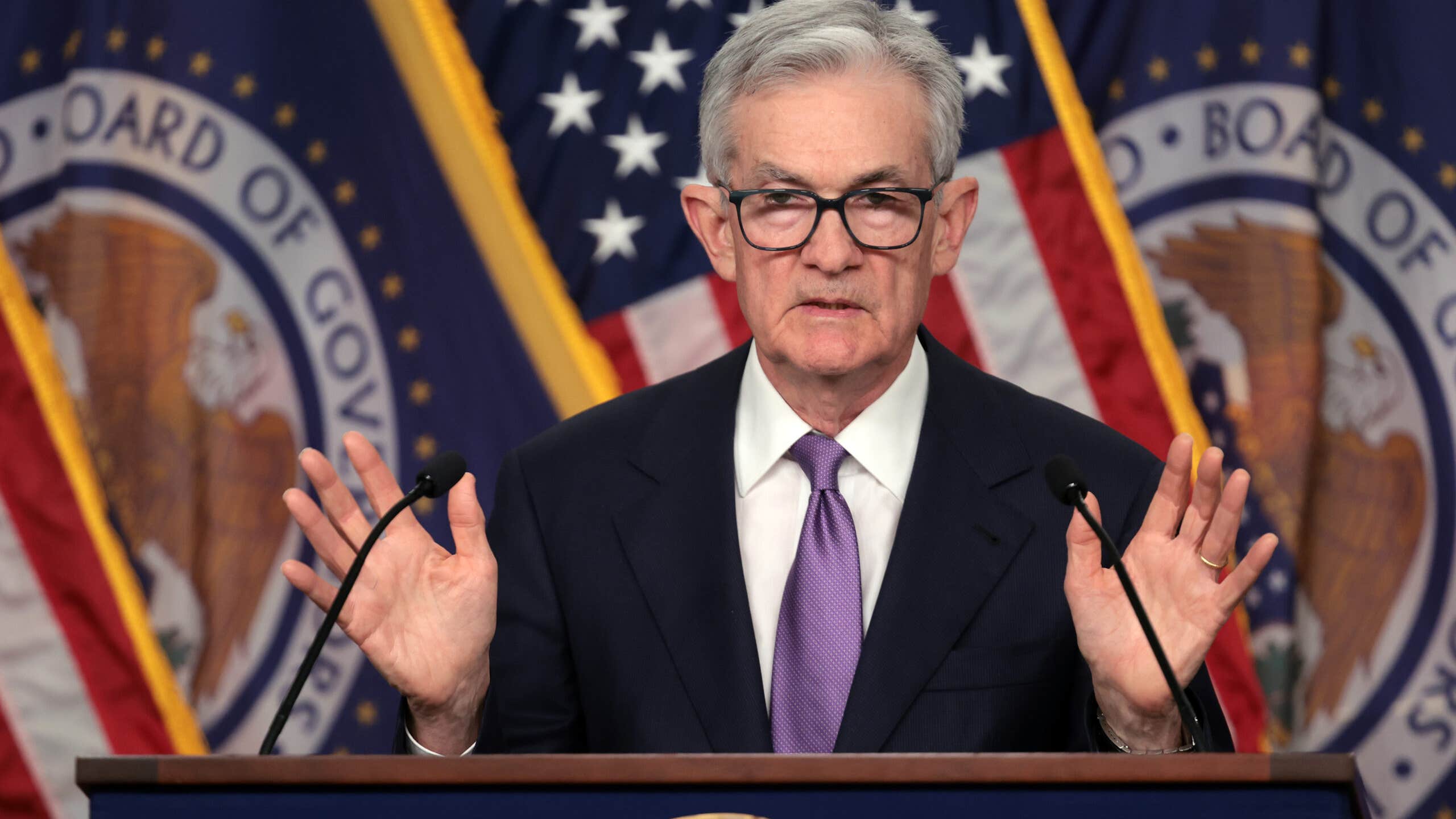
The Federal Reserve left interest rates unchanged at its first meeting of 2026, keeping borrowing costs in a target range of 3.5-3.75%. This decision (supported by a 10-2 vote) pauses a streak of three consecutive rate cuts that began in September 2025.
For savers, the message is clear: the window for high CD yields is still open, but it won’t stay that way indefinitely.
The central bank is taking a wait-and-see approach. Inflation has hovered above the Fed’s 2% target for nearly five years, and the labor market remains stable. Until one of those factors shifts meaningfully, policymakers appear content to hold steady.
That patience from the Fed translates into opportunity for you.
Why locking in a CD right now makes sense
Even with rates on hold, top CDs offer compelling returns. Here’s why opening one today could be a smart move:
- Your money beats inflation. The best CDs currently pay APYs around 4%, while inflation sits at 2.7% (as of December 2025). That’s a real return of roughly 1.3% — your purchasing power actually grows rather than erodes.
- You’re protected from future rate drops. When the Fed eventually resumes cutting rates — which most economists expect by mid-2026 — CD yields will follow. Locking in now guarantees your rate through maturity, regardless of what the Fed does next.
- CDs remain one of the safest places for cash. Your deposits are federally insured up to $250,000 per depositor, per institution, making CDs virtually risk-free.
→ Ready to compare options? See Bankrate’s top CD rates.
While Federal Reserve Chairman Jerome Powell typically cautions that interest rates are not on a pre-set course, many economists and investors believe the central bank’s benchmark rate will head lower through year-end.— Mark Hamrick, Senior Economic Analyst | Bankrate
When a CD might not be right for you
A CD isn’t the answer for everyone. Consider these factors before committing:
- You might need the money early. Traditional CDs charge early withdrawal penalties (typically ranging from 60 to 180 days of interest) that can eat into your returns. If there’s any chance you’ll need access to these funds, consider a no-penalty CD or high-yield savings account instead.
- You’re aiming for higher long-term growth. CDs offer safety and predictability, not aggressive growth. If your timeline is five years or longer and you can stomach volatility, diversified investments may deliver stronger returns.
- Rates could stay elevated longer than expected. While future cuts seem likely, persistent inflation or economic surprises could keep rates higher for longer. Locking into a multi-year CD now means potentially missing out if yields rise unexpectedly.
→ Need flexibility? Compare the best high-yield savings accounts
How to decide: A practical framework
Ask yourself these three questions:
- Can I leave this money untouched for the full term? If you have even a 20% chance of needing early access, choose a shorter term or a no-penalty CD.
- What’s my opportunity cost? If you’re sitting on cash earning 0.5% in a traditional savings account, even a 6-month CD at 4% represents significant improvement.
- Do I want predictability or potential? CDs guarantee your return. Stocks don’t. Neither approach is wrong — it depends on your risk tolerance and timeline.
Bottom line
The Fed’s decision to hold rates steady gives savers a temporary reprieve, but not permanent security. Today’s CD yields of around 4% remain historically attractive and continue to outpace inflation. If you have cash you can afford to set aside, locking in now protects your returns from whatever the Fed decides next.
The best time to open a CD was yesterday. The second-best time is today.
Why we ask for feedback Your feedback helps us improve our content and services. It takes less than a minute to complete.
Your responses are anonymous and will only be used for improving our website.