Homebuying in America: She wants a “cut-and-dried rule” for refinancing


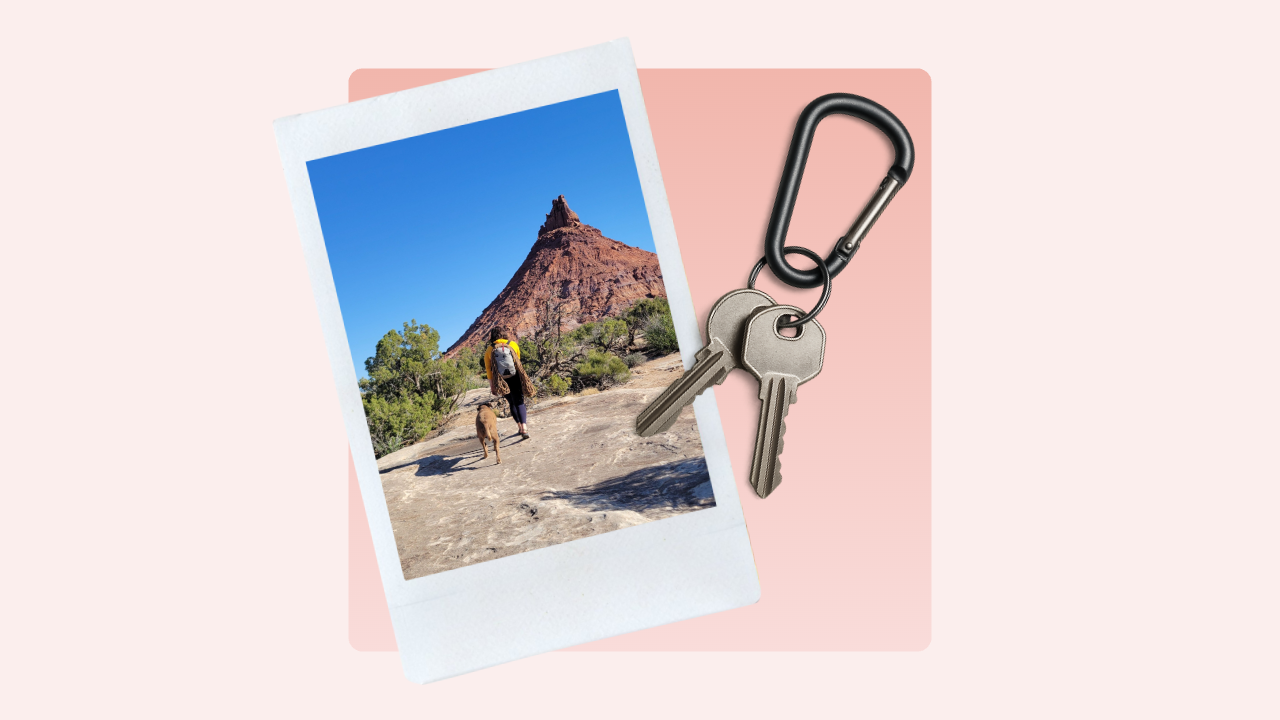
First-time homebuyer Ryan Katherine, 30 years old, bought a Salt Lake City home with her partner in 2023. After agreeing to a 2-1 buydown — where you pay a lower mortgage rate for the first two years — the couple’s initial 4.625% rate turned into their current 6.625% mortgage rate.
Setting the scene on homebuying
Katherine’s 2-1 buydown is an example of an increasingly popular incentive for buyers. Bankrate reports these super-low new construction rates averaged 5.27% during the third quarter of 2025, compared to 6.26% for buyers of existing homes.
Typically, a seller finances a mortgage buydown for the homebuyer by putting money into an escrow account that’s applied to the monthly mortgage payments. That way, the buyer can pay less in interest for the first few years. For example, a 3-2-1 buydown reduces the interest rate by 3% the first year, 2% the second year and 1% the third year. A 2-1 buydown like Katherine’s reduces the rate by 2% the first year and 1% the second year.
Katy Care, loan officer at Veridian Mortgage, says a buydown can help you enter the homebuying market with a lower monthly payment. But keep in mind that interest rate will increase in the future. To help mitigate the costs of that increase, Care suggests buyers monitor rates and consider refinancing when rates drop at least half a point.
If you can refinance at half a percent or better, with very little cost to do it, I think it makes sense.— Katy Care, loan officer at Veridian Mortgage
Behind her homebuying experience
Katherine found her $443,000 three-bedroom, one-bathroom home with a local real estate agent, who recommended a certain lender. But that lender’s rates seemed high, so the couple started shopping around — which is a proven way to find lower rates. They found another lender who gave them an estimate that was thousands of dollars lower over the life of the loan.
“He pretty much just won my trust,” Katherine says. “Since then, I will just shoot him a text and be like, ‘Hey, we’re looking at the interest rates. What do you think?’” She also compares refinancing rates on her own by searching online.
Katherine and her partner only made one offer, which was quickly accepted. The whole homebuying process lasted a month. “I’m pretty happy because we ended up getting a small house that we could both afford,” she says.
Their lot covers 7,840 square feet with room for a patio, shed, garden and patch of grass. As a homeowner, she’s enjoying composting, xeriscaping and renovating. And she and her dog walk daily on the public land right behind the house.
The couple has talked about refinancing, but Katherine says the noise of real estate and personal finance can be a lot to sift through. “Anything that has to do with money, I really just want a simple cut-and-dried rule to follow,” she admits.
An expert's take
Her homeownership dream
Katherine might eventually want to leave the Utah summer heat and move farther north, if she has the funds. But she loves her home and doesn’t want to ever sell it. To her, it has sentimental value.
She’s also in no rush to leave. “I’m making a lot of friends, and it’s absolutely dumping snow in Salt Lake right now,” she said when we spoke in February. “I can’t say I’m having a terrible time.”
Why we ask for feedback Your feedback helps us improve our content and services. It takes less than a minute to complete.
Your responses are anonymous and will only be used for improving our website.

Up next





We appreciate your feedback
Thank you for taking the time to share your experience.