Advertiser Disclosure
Bankrate.com is an independent, advertising-supported publisher and comparison service. Our websites may earn compensation when a customer clicks on a link, when an application is approved, or when an account is opened. Therefore, this compensation may impact what products appear and how, where, and in what order they appear within listing categories, except where prohibited by law for our mortgage, home equity and other home lending products. Other factors, such as our proprietary website rules and whether a product is offered in your area or at your self-selected credit score range, can also impact how and where products appear on this site. While we strive to provide a wide range of offers, Bankrate does not include information about every financial or credit product or service.
Best secured credit cards of August 2026
- • NACCC Certified Credit Counselor (2025)
- • Credit cards
- • Debt management
- • Certified Financial Education Instructor℠ (CFEI)
- • Credit cards
- • Balance transfers
- • Certified Financial Education Instructor℠ (CFEI)
- • Credit cards
- • Balance transfers
Advertiser Disclosure: Bankrate’s editorial team chooses and recommends the credit cards on this page. Our websites may earn compensation when a customer clicks on a link, when an application is approved, or when an account is opened. However, our recommendations and card ratings are produced independently without influence by advertising partnerships with issuers.
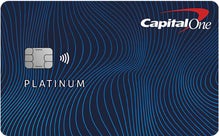
- Capital One Platinum Secured Credit Card: Best for low deposit
- The secured Chime Visa® Credit Card: Best for flexible deposit
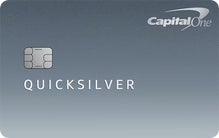
- Capital One Quicksilver Secured Cash Rewards Credit Card: Best starter rewards card
- First Progress Platinum Prestige Mastercard® Secured Credit Card: Best for low interest
- OpenSky® Secured Visa® Credit Card: Best card for after bankruptcy
- Bank of America® Customized Cash Rewards Secured Credit Card*: Best for cash back
How we make money
You have money questions. Bankrate has answers. Our experts have been helping you master your money for over four decades. We continually strive to provide consumers with the expert advice and tools needed to succeed throughout life’s financial journey.
Bankrate follows a strict editorial policy, so you can trust that our content is honest and accurate. Our award-winning editors and reporters create honest and accurate content to help you make the right financial decisions. The content created by our editorial staff is objective, factual, and not influenced by our advertisers.
We’re transparent about how we are able to bring quality content, competitive rates, and useful tools to you by explaining how we make money.
Bankrate.com is an independent, advertising-supported publisher and comparison service. Our websites may earn compensation when a customer clicks on a link, when an application is approved, or when an account is opened. Therefore, this compensation may impact what products appear and how, where, and in what order they appear within listing categories, except where prohibited by law for our mortgage, home equity and other home lending products. Other factors, such as our proprietary website rules and whether a product is offered in your area or at your self-selected credit score range, can also impact how and where products appear on this site. While we strive to provide a wide range of offers, Bankrate does not include information about every financial or credit product or service.
Bankrate has partnerships with issuers including, but not limited to, American Express, Bank of America, Capital One, Chase, Citi and Discover.
Filter by
If there's a better card out there, it's probably here
We cover 90%+ of U.S. credit card accounts. So when you compare on Bankrate, you're seeing almost everything the market has to offer.
Showing 5 results
Best for building credit
Intro offer
N/A
Annual fee
$0
Regular APR
28.99% (Variable)
Why you'll like this: It offers a simple, low-cost way to build credit, and Capital One offers a great mix of rewards cards should you want to upgrade in the future.
What you should know
Alternative: Consider the First Progress Platinum Prestige Mastercard® Secured Credit Card. Although it doesn’t offer rewards, it has a lower variable APR that could cost less if you carry a balance.
- Capital One automatically reviews your account for a credit line increase after six months of on-time payments.
- You have the opportunity to earn back your deposit and upgrade to an unsecured card with responsible use.
- The card's variable APR is high when compared to similar cards.
- It may not offer as much long-term value as competing secured cards that earn rewards.
Card Details
No annual or hidden fees. See if you're approved in seconds
Building your credit? Using the Capital One Platinum Secured card responsibly could help
Put down a refundable security deposit starting at $49 to get at least a $200 initial credit line
You could earn back your security deposit as a statement credit when you use your card responsibly, like making payments on time
Be automatically considered for a higher credit line in as little as 6 months with no additional deposit needed
Enjoy peace of mind with $0 Fraud Liability so that you won't be responsible for unauthorized charges
Monitor your credit score with CreditWise from Capital One. It's free for everyone
Get access to your account 24 hours a day, 7 days a week with online banking to access your account from your desktop or smartphone, with Capital One's mobile app
Top rated mobile app
Best starter rewards card
Regular APR
28.99% (Variable)
Annual fee
$0
Why you'll like this: It offers a solid flat cash back rate and a chance at a credit limit increase in as little as six months if you use the card responsibly.
Reward Details
- 5%Earn unlimited 5% cash back on hotels, vacation rentals and rental cars booked through Capital One Travel
- 1.5%Earn unlimited 1.5% cash back on every purchase, every day
What you should know
Alternative: The Capital One Platinum Secured Credit Card doesn’t earn rewards like the Quicksilver Secured, but you could get a $200 starting credit limit with a security deposit starting as low as $49 (Min. security deposit will be $49, $99 or $200), which is more affordable.
- This is a low-maintenance card with limited fees and streamlined features, including the option to automatically redeem rewards.
- You can earn your security deposit back with responsible card use, so you don't have to close the account to get your deposit back.
- The variable APR is high, even for a credit-building card.
- If you start with a credit limit of $200 (based on your deposit), then it might be harder to earn rewards and keep your credit utilization in check.
Card Details
No annual or hidden fees, and you can earn unlimited 1.5% cash back on every purchase, every day. See if you're approved in seconds
Put down a refundable $200 security deposit to get at least a $200 initial credit line
Building your credit? Using a card like this responsibly could help
Enjoy peace of mind with $0 Fraud Liability so that you won't be responsible for unauthorized charges
You could earn back your security deposit as a statement credit when you use your card responsibly, like making payments on time
Be automatically considered for a higher credit line in as little as 6 months with no additional deposit needed
Earn unlimited 5% cash back on hotels, vacation rentals and rental cars booked through Capital One Travel
Monitor your credit score with CreditWise from Capital One. It's free for everyone
Top rated mobile app
Best for low interest
Regular APR
13.49% (V)
Annual fee
$49
Why you'll like this: Your security deposit determines your credit limit, allowing you to establish credit and potentially receive lower interest rates than with many unsecured cards.
Reward Details
- Up To 10%Up To 10% Cash Back on Purchases + 1% on Payments^^
What you should know
Alternative: If you’re set on earning rewards with a secured credit card, the Capital One Quicksilver Secured could get you more cash back.
- You may be able to increase your security deposit (and credit limit) to up to $5,000 over time with approval, which could improve your credit utilization ratio and credit score.
- Its flat cash back rate incentivizes timely payments and makes it easy to save on everyday spending while you focus on building credit.
- It doesn’t offer any special perks or boosted rewards rate to offset its annual fee, limiting its long-term value.
- The card’s annual fee is on the high side, especially for a secured card that offers such a low rewards rate.
Card Details
Now offering Up To 10% Cash Back at select merchants with First Progress! Plus, 1% back when you make payments!^^
A $200 refundable deposit is your first step toward better credit!
Apply with no impact to your credit!2
Build your credit history across 3 major credit reporting agencies: Equifax, Experian and TransUnion.¹
All credit types welcome to apply!
¹Cardholders who keep their balance low and pay their credit card bill on time every month typically do see an increase in their credit score.
2We may pull a soft inquiry of your credit. Soft inquiries do not impact your credit score.
^^The 10% cash back rate is available only at a limited number of participating merchants. Offer percentages vary by merchant and are subject to change. See First Progress Rewards Program Terms & Conditions for details.
*See Important Disclosures for complete offer details
Best for after bankruptcy
Regular APR
23.89% (variable)
Annual fee
$35
Why you'll like this: Since it doesn’t require a credit check, it’s one of the most accessible options for people without credit histories or poor credit.
Reward Details
- Up to 10%Earn up to 10% cash back on everyday purchases
What you should know
Alternative: The The secured Chime Visa® Credit Card* also doesn’t require a credit check and may be a lower-risk way to build credit after bankruptcy because it isn’t a true credit card.
- Its potential credit limit beats out the $2,000 to $2,500 maximum limit typically available on secured cards.
- Its APR is much lower than the rate you’ll find on many other secured cards.
- While its $35 annual fee is reasonable for a credit-building card, this card doesn’t offer a rewards program to make up for some of its cost.
- Unlike other issuers, opensky doesn’t have an unsecured credit card that you can upgrade to after improving your score.
Card Details
Earn up to 10% cash back on everyday purchases
No credit check required – 89% approval rate with zero credit risk to apply!
Boost your credit score fast—2 out of 3 opensky® cardholders see an average increase of 47 points after 6 months
Track your progress with free access to your FICO® score in our mobile app
Build your credit history with reporting to all three major credit bureaus: Experian, Equifax, and TransUnion
Seamless payments—add your card to Apple Pay, Google Pay, and Samsung Pay
Start with just $200—secure your credit line with a refundable deposit
Fast and easy application—apply in minutes with our mobile-first experience
Flexible payment options—pick a due date that works for you
More time to fund—spread your security deposit over 60 days with layaway
Join 2 million+ cardholders who have used opensky® to build better credit!
Intro offer
N/A
Rewards Rate
1% - 3%
Annual fee
None
Regular APR
27.74% Variable APR on purchases and balance transfers
Why you'll like this: It’s a no-annual-fee secured credit card that comes with tangible rewards.
Reward Details
- 3%3% cash back in the category of your choice: gas, online shopping, dining, travel, drug stores, or home improvement/furnishings
- 2%2% cash back at grocery stores and wholesale clubs
- 1%Unlimited 1% cash back on all other purchases
What you should know
Alternative: The Discover it® Secured Credit Card also offers cash back, albeit at a lower rate than the Bank of America secured card. However, the Discover card matches all the cash back you’ve earned at the end of your first year.
- Earn generous cash back rewards
- Gain free access to FICO score to keep track of credit building
- The card's security deposit is only $200
- No automatic credit limit increases
- No chance to upgrade to unsecured Bank of America credit cards
- Credit check required
Remove a card to add another to compare
Compare Bankrate's top secured credit cards
| Card Name | Best For | Annual fee | Bankrate Review Score |
|---|---|---|---|
|
Low deposit |
|
4.1 / 5 Our writers, editors and industry experts score credit cards based on a variety of factors including card features, bonus offers and independent research. Credit card issuers have no say or influence on how we rate cards.
Apply now
on Capital One's secure site
|
|
|
Flexible deposit |
|
|
|
|
Starter rewards card |
|
4.2 / 5 Our writers, editors and industry experts score credit cards based on a variety of factors including card features, bonus offers and independent research. Credit card issuers have no say or influence on how we rate cards.
Apply now
on Capital One's secure site
|
|
|
Low interest |
|
4.0 / 5 Our writers, editors and industry experts score credit cards based on a variety of factors including card features, bonus offers and independent research. Credit card issuers have no say or influence on how we rate cards.
Apply now
on First Progress's secure site
|
|
|
After bankruptcy |
|
3.1 / 5 Our writers, editors and industry experts score credit cards based on a variety of factors including card features, bonus offers and independent research. Credit card issuers have no say or influence on how we rate cards.
Apply now
on opensky's secure site
|
|
|
Cash back |
|
|
Determine your preferred category
Browse different categories, then decide which type of credit card is best for you: cash back, travel, balance transfer or no annual fee.
Find your match
Check out our best credit cards lists or provide some basic info to get personalized partner card matches through the CardMatch™ tool.
Choose to apply
Click through to the issuer’s direct site to apply for a new account and start earning rewards or building up credit.
What is a secured credit card?
A secured credit card is similar to an unsecured one, except it has a refundable security deposit as collateral. When you open your account, you pay this deposit and typically it acts as the card’s credit limit. The issuer may refund your deposit and those with a family of credit cards may upgrade you to an unsecured version after showing responsible credit use.
Secured cards are a logical option if you're trying to establish or rebuild your credit score.
How to choose the best secured card for you
The secured card market has seen some attractive additions in recent years. Here’s how you can find the best option for you:
- Compare security deposit requirements. Usually, you need to put down at least $200 to open a secured card. If you’re short on cash, you want to look for a card with a lower deposit requirement.
- Make sure the issuer reports to the three credit bureaus. You want your positive payment history to be reported so that it can raise your credit scores. That’s why you need to find a card that reports to Experian, TransUnion and Equifax.
- Check annual fees. It’s common for secured cards to charge annual fees. But if you’d rather minimize the costs, look for a no-annual-fee card as there are a few options available on the market.
- Consider rewards. Some secured cards offer cash back which can bring some extra value as you’re building your credit. But be honest with yourself: if you know that you might start chasing rewards, perhaps it’s best to avoid them for now. Responsible card usage should be your priority.
Secured vs. unsecured credit cards
Credit builders often start with a secured credit card and then graduate to an unsecured credit card with better rewards rates and lower fees as their scores improve.
While the biggest cost difference between secured and unsecured cards is the security deposit, there are also other fees and features to keep in mind.
| Factors | Secured card | Unsecured for bad credit |
|---|---|---|
| Minimum credit score | No credit history or bad credit (below 580 FICO) | Bad credit (below 580 FICO) |
| Typical minimum security deposit | $50–$300 | $0 |
| Builds credit? | Yes | Yes |
| Annual fee | Sometimes (typically around $49, but many no-annual-fee options available) | Commonly (can be $99 or more, and no-annual-fee options are harder to find) |
| Rewards | Rarely | Sometimes |
Pros and cons of secured credit cards
Pros
-
Access to credit: A secured card is handy when a merchant doesn’t accept cash, like for a hotel reservation or a rental car.
-
Lighter application requirements: If you have limited or low credit (a FICO score of 579 or below), you’ll find application requirements for secured cards more forgiving and accessible. Some applications don't even require a credit check.
-
Accountability: Because you can typically spend only up to the amount of your security deposit, a secured card can help you control your spending.
-
Refundable deposits: You can often get your deposit back after demonstrating responsible card use.
Cons
-
Extra fees: Some secured cards may charge fees for opening the account, which can reduce the amount of available credit you have left to use.
-
High APRs: Many secured cards charge higher-than-average APRs, which can be expensive if you don’t pay your credit card bill on time and in full. Plus, you’re essentially borrowing your own money (your credit line comes from your deposit), yet you’re still paying interest to the issuer.
-
Limited features: Secured cards tend to focus on credit-building and typically lack features like welcome offers, intro APR offers or other perks that add long-term value.
-
Lower limits: Your card’s credit limit is based on your security deposit, and secured cards typically have a low maximum deposit — so you won't have much spending flexibility.
What makes a great secured credit card?
A great secured credit card can help you build or rebuild credit when used responsibly with features like solid credit-building tools and a decent APR. Working on your credit will get you closer to qualifying for cards with better features and benefits. Once you're ready to apply, here’s what to consider when choosing a secured credit card:
-
When choosing a secured card, make sure it can help you improve your credit. Credit reports of good payment behavior to Equifax, Experian or TransUnion are essential for building or repairing credit. Otherwise, your efforts will go unnoticed, and your good credit habits won’t help you with your credit building goal.
-
Your security deposit typically acts as your starting credit limit. Note the minimum and maximum security deposit requirements on the card: If the card's minimum deposit is too high, then it may not be the right choice for you. On the other hand, if the maximum deposit is too low for you to effectively use the credit limit to build your score, then you should look at other options. Don’t forget to factor in credit utilization, or the percentage of your credit line you’re using. You should keep it under 30% to avoid damage to your credit.
-
Many secured credit cards for bad credit charge higher-than-average interest rates — typically 25% or more. You should always aim to avoid carrying a balance by paying your card in full every billing cycle so that you don't have to worry about interest. However, if you tend to carry a balance, then look for cards that have reasonable APRs. Interest charges add to your balance and can eat into your credit limit.
-
Though your primary focus should be on building credit, some secured credit cards offer rewards, mostly cash back, in popular categories including groceries and gas. If you can manage a card with rewards without overspending and going into debt, you might consider a secured card that offers rewards. But if you think you might get carried away chasing cash back, it’s best to avoid the temptation and stick to no-rewards cards for now.
How does someone decide whether to choose a secured credit card versus other credit-building tools?
A secured credit card is a great option for people with little or no credit, people rebuilding their credit, and people who have enough money to cover the initial deposit, which typically ranges from $200 to $500. Secured credit cards often have low barriers to entry, which make them a great first step in establishing credit. Becoming an authorized user on someone else's account is another great way to build credit. However, it is very important to consider the potential implications it could have on the relationship if you do not or cannot make on time, in full payments, as this is likely to financially impact the primary cardholder. The advantage of so many credit building options is that you can find the path that works best for you.

Think of a secured card like a learner’s permit for driving. Similar to taking the written test to get a learner’s permit and practicing driving with an instructor, you pay a security deposit to get the card and practice making and paying off purchases. Your credit limit is usually equivalent to the amount of your deposit, which makes it hard to rack up too much debt.You can also use tools like a credit-builder loan, Experian Boost and becoming an authorized user on a trusted person’s card to build your credit mix and improve your score more quickly. Just make sure you’re following the speed limit — not overspending — and obeying road signs — paying on time — so you don’t crash your credit!
Tips for rebuilding credit with a secured card
-
Take this time to practice good habits
Use your secured card as a tool to help build your credit. Keep your credit utilization ratio below 30% and go to AnnualCreditReport.com for a free copy of your credit report from the three major credit bureaus to check your progress. Make it a habit to pay off the entire balance monthly to avoid expensive interest charges, or at the very least, pay the minimum due every month. It takes time to increase your credit score, so be patient as you learn to use credit cards.
-
Submit a large security deposit
Putting down more money could result in a higher credit limit, making it easier to keep your credit utilization ratio in check. If you can only put down the required minimum, prioritize keeping your utilization low, since amounts owed on a card represent 30% of your score.
-
Upgrade to an unsecured card when possible
Once you’ve worked your way up to fair credit and beyond, start thinking about upgrading to an unsecured card that might offer better rewards and lower fees. If your issuer doesn’t offer upgrades, and your secured card has maintenance or inactivity fees, it may be a good idea to close it and take the short-term hit on your credit score. Otherwise, there’s no harm in keeping it open for the occasional small purchase to add to the length of your credit history, since it accounts for 15% of your credit score.
-
Get your security deposit back
If you decide to close your secured card, make sure to get your security deposit back. The issuer may take 30 to 90 days to refund your deposit in the form of a statement credit or check.
What are some alternatives to a secured card?
Applying for a secured card is a simple and effective way to build up less-than-ideal credit, but it may not be your only option. If you struggle to qualify for a secured credit card, you have a few alternatives.
-
Becoming an authorized user
If you have a family member or friend who could add you to their existing credit card account as an authorized user, it could be an easy way to improve your credit. You’ll be able to make purchases, but the primary account holder will be responsible for the charges.
This arrangement requires a great deal of trust, however. Your friend or relative should be able to rely on you to pay them back for the purchases. And you need to be sure they’re responsible with their money — if they miss a payment, your credit will take a hit along with theirs.
-
Credit-builder loans
With a credit-builder loan, you make fixed monthly payments over a set period, typically between several months and up to two years. Your payments are reported to the credit bureaus, which helps you establish a positive credit history. Once you pay off the loan in full, you’ll receive the funds.
This type of loan could be a good option if you don’t feel quite ready for a credit card and would rather have predictable payments to keep yourself accountable.
-
Credit-boosting services
You can find ways to improve your credit without borrowing. Look into credit-boosting services such as Experian Boost which lets you improve your FICO 8 score with Experian for free. All you need to do is to connect the bank or credit card account you use to pay your bills. Then, your on-time payments, such as utilities, phone, rent, satellite and cable, among others, will be added to your Experian credit report.
Other third-party services also allow you to add rent payments to your credit reports. A few products offer this feature, but some require fees. Weigh those against other options before you sign up.
Bankrate’s take: As you use a secured card to build credit, track your progress on your credit report. You can request a free copy of your credit report from each of the three credit bureaus every year.
Frequently asked questions about secured credit cards
-
Your application for a secured credit card might be denied if you have serious problems with your credit history, such as bankruptcy. Fortunately, some credit cards don’t automatically disqualify you for having a bankruptcy on your credit report.
Learn more: What to do when your credit card application is denied
-
You should put as much as you’re comfortable with since your deposit will become your credit line. But if you don’t plan to use the card much and can pay your balance in full each month, just putting down the minimum security deposit works.
-
You might be able to increase your credit limit after your initial security deposit by making an additional security deposit (though there may be a cap). Some secured cards will automatically review your account after a set time period and consider an increase in your credit limit with responsible card use. However, not all cards offer credit limit increases. Check with the issuer to see if an increase is possible and how.
*All information about the Bank of America® Customized Cash Rewards Secured Credit Card and The secured Chime Visa® Credit Card has been collected independently by Bankrate and has not been reviewed or approved by the issuer.
Next steps in your credit card journey
Best high-limit secured credit cards
These secured cards can still give your credit utilization some breathing room
Best credit cards for a 500 credit score (or less)
Have a low credit score? No problem
How long should you keep a secured card?
Secured cards are great credit-building tools, but aren't meant to be kept forever
Can you change a secured credit card to an unsecured card?
Learn how to upgrade to an unsecured card when it's time
Meet the Bankrate Experts
- NACCC Certified Credit Counselor (2025)
- Credit cards
- Debt management
How we assess the best secured credit cards
When evaluating the best secured credit cards, we consider a mix of factors, including how cards score in our proprietary card rating system and whether cards offer features that make it easy to build credit history while keeping costs low.
We analyzed over 50 of the most popular cards designed for people with a fair credit score and rated each based on its cost, APR, credit-building features and more to determine whether it belonged in this month’s roundup.
Here are some of the key factors that we considered:
Build credit, minimize fees
Secured cards run the gamut, from basic no-annual-fee cards to cash back cards to cards with sky-high fees and APRs. Our rating methodology for these cards focuses on two key factors: How easy a card makes it to build credit and the costs you’ll face along the way.
-
Cost 45.00%
-
Ease of building credit 25.00%
-
APR 10.00%
-
Perks 10.00%
-
Customer experience 10.00%
-
A credit-building card’s cost has a large influence on its overall score and our decision to include it in our best cards list. This is because cards in this category tend to be much pricier than traditional credit cards designed for people with a good or better credit score.
We compare a card’s total cost, including any annual fees, account activation fees, monthly fees and more against the total cost of other cards in the credit-building category and assign each card a score based on its affordability. We also factor rewards-earning potential into our assessment of a credit-building card’s total cost, subtracting expected earnings from the sum of its fees.
To get a sense of a credit-building card’s rewards-earning potential, we estimate its average annual rewards rate and average annual earnings based on the most popular spending categories (as covered in the latest Bureau of Labor Statistics consumer spending report).
However, we use a slightly lower spending assumption ($300 per month or $3,600 per year) to estimate average earnings, assuming credit-builders will start out with a lower credit limit, will want to keep credit utilization low and will focus primarily on small purchases they can easily pay off.
While low-cost credit-building cards will always be at a major advantage in our scoring system and will likely earn a higher spot on our best cards list, no-annual-fee credit-building cards can be hard to come by, especially if you’re looking for an unsecured card. With this in mind, we may include unsecured cards with high fees in our list if they offer other benefits for credit-builders, like a high starting credit limit or useful perks.
A card’s APR is also a major factor in its credit-building score. Each card’s average APR is compared against the average APR of other cards in the category, and the cards with lower-than-average APRs receive a higher rating.
Given the many costs students face — from textbooks to laptops — the presence of an introductory APR on purchases or balance transfers also plays a role in a student card’s score and its inclusion on our list.
Though high APRs are hard to avoid when you’re just starting out or working on your score, credit-builders and students should strive for as low an APR as possible since they’re likely to either be new to managing cards or trying to establish better financial habits and avoid falling into debt.
-
Along with a credit-building card’s cost, we consider how easy the card makes it to build credit. To asses this, we evaluate its credit limit potential and minimum deposit requirement.
Unsecured cards with a high starting credit limit and secured cards that let you put down a large deposit and get a matching high credit limit will score the highest according to our “Ease of building credit” rubric and are more likely to appear on our list.
This is because a high credit limit can make it much easier to keep your credit utilization low, a primary credit-building factor that makes up 30 percent of your FICO credit score.
Secured cards have a slight advantage in this category since the maximum credit limit on a secured card tends to be much higher than the typical starting credit limit on an unsecured card. However, unsecured cards have the upper hand in another key aspect of building credit: accessibility.
Cards that carry no or a low deposit requirement can also receive a high score according to our “Ease of building credit” rubric since these cards offer a lower barrier to entry than secured cards that require you to put up hundreds of dollars in an upfront deposit.
Indeed, some users may prefer to pay a non-refundable $50 annual fee while they work on their credit score than tie up hundreds in a refundable security deposit.
-
We evaluate a student or credit-building card’s benefits based on how useful they are for someone looking to build a positive credit history or save money on everyday spending.
We consider the inclusion of a rewards program, student-centric perks, access to your credit score or a credit monitoring service of prime importance, along with the ability to prequalify for the card with only a soft credit pull and a clear path to increase your credit limit or graduate to an unsecured or full-fledged rewards card.
Cards that include these benefits are likely to score higher according to our credit-building card and student card scoring rubrics and are more likely to earn a place in our list.