Best secured credit cards of October 2026


Bankrate’s editorial team chooses and recommends the credit cards on this page. Our recommendations and card ratings are produced independently without influence by advertising partnerships with issuers.
Filter by
If there's a better card out there, it's probably here
We cover 90%+ of U.S. credit card accounts. So when you compare on Bankrate, you're seeing almost everything the market has to offer.
Showing 5 results
Best for building credit
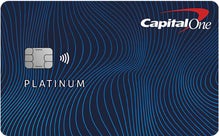
Intro offer
N/A
Annual fee
$0
Regular APR
29.24% (Variable)
Why you'll like this: It offers a simple, low-cost way to build credit, and Capital One offers a great mix of rewards cards should you want to upgrade in the future.
What you should know
Card Details
Best starter rewards card
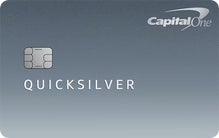
Regular APR
29.24% (Variable)
Annual fee
$0
Why you'll like this: It offers a solid flat cash back rate and a chance at a credit limit increase in as little as six months if you use the card responsibly.
Reward Details
What you should know
Card Details
Best for low interest

Regular APR
13.74% (V)
Annual fee
$49
Why you'll like this: Your security deposit determines your credit limit, allowing you to establish credit and potentially receive lower interest rates than with many unsecured cards.
Reward Details
What you should know
Card Details
Best for after bankruptcy

Regular APR
23.89% (variable)
Annual fee
$35
Why you'll like this: Since it doesn’t require a credit check, it’s one of the most accessible options for people without credit histories or poor credit.
Reward Details
What you should know
Card Details
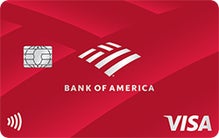
Intro offer
N/A
Rewards Rate
1% - 3%
Annual fee
None
Regular APR
27.74% Variable APR on purchases and balance transfers
Why you'll like this: It’s a no-annual-fee secured credit card that comes with tangible rewards.
Reward Details
What you should know

Remove a card to add another to compare
Remove a card to add another to compare
Compare Bankrate's top secured credit cards
| Card Name | Best For | Annual fee | Bankrate Review Score |
|---|---|---|---|
|
Flexible deposit |
|
|
|
|
Cash back |
|
|
|
|
Low deposit |
|
4.1 / 5 Our writers, editors and industry experts score credit cards based on a variety of factors including card features, bonus offers and independent research. Credit card issuers have no say or influence on how we rate cards.
Apply now
on Capital One's secure site
|
|
|
Starter rewards card |
|
4.2 / 5 Our writers, editors and industry experts score credit cards based on a variety of factors including card features, bonus offers and independent research. Credit card issuers have no say or influence on how we rate cards.
Apply now
on Capital One's secure site
|
|
|
Low interest |
|
4.0 / 5 Our writers, editors and industry experts score credit cards based on a variety of factors including card features, bonus offers and independent research. Credit card issuers have no say or influence on how we rate cards.
Apply now
on First Progress's secure site
|
|
|
After bankruptcy |
|
3.1 / 5 Our writers, editors and industry experts score credit cards based on a variety of factors including card features, bonus offers and independent research. Credit card issuers have no say or influence on how we rate cards.
Apply now
on opensky's secure site
|



Determine your preferred category
Browse different categories, then decide which type of credit card is best for you: cash back, travel, balance transfer or no annual fee.
Find your match
Check out our best credit cards lists or provide some basic info to get personalized partner card matches through the CardMatch™ tool.
Choose to apply
Click through to the issuer’s direct site to apply for a new account and start earning rewards or building up credit.
What is a secured credit card?
A secured credit card is similar to an unsecured one, except it has a refundable security deposit as collateral. When you open your account, you pay this deposit and typically it acts as the card’s credit limit. The issuer may refund your deposit and those with a family of credit cards may upgrade you to an unsecured version after showing responsible credit use.
Secured cards are a logical option if you're trying to establish or rebuild your credit score.
How to choose the best secured card for you
The secured card market has seen some attractive additions in recent years. Here’s how you can find the best option for you:
- Compare security deposit requirements. Usually, you need to put down at least $200 to open a secured card. If you’re short on cash, you want to look for a card with a lower deposit requirement.
- Make sure the issuer reports to the three credit bureaus. You want your positive payment history to be reported so that it can raise your credit scores. That’s why you need to find a card that reports to Experian, TransUnion and Equifax.
- Check annual fees. It’s common for secured cards to charge annual fees. But if you’d rather minimize the costs, look for a no-annual-fee card as there are a few options available on the market.
- Consider rewards. Some secured cards offer cash back which can bring some extra value as you’re building your credit. But be honest with yourself: if you know that you might start chasing rewards, perhaps it’s best to avoid them for now. Responsible card usage should be your priority.
Pros and cons of secured credit cards
Pros
-
Access to credit: A secured card is handy when a merchant doesn’t accept cash, like for a hotel reservation or a rental car.
-
Lighter application requirements: If you have limited or low credit (a FICO score of 579 or below), you’ll find application requirements for secured cards more forgiving and accessible. Some applications don't even require a credit check.
-
Accountability: Because you can typically spend only up to the amount of your security deposit, a secured card can help you control your spending.
-
Refundable deposits: You can often get your deposit back after demonstrating responsible card use.
Cons
-
Extra fees: Some secured cards may charge fees for opening the account, which can reduce the amount of available credit you have left to use.
-
High APRs: Many secured cards charge higher-than-average APRs, which can be expensive if you don’t pay your credit card bill on time and in full. Plus, you’re essentially borrowing your own money (your credit line comes from your deposit), yet you’re still paying interest to the issuer.
-
Limited features: Secured cards tend to focus on credit-building and typically lack features like welcome offers, intro APR offers or other perks that add long-term value.
-
Lower limits: Your card’s credit limit is based on your security deposit, and secured cards typically have a low maximum deposit — so you won't have much spending flexibility.
What makes a great secured credit card?
A great secured credit card can help you build or rebuild credit when used responsibly with features like solid credit-building tools and a decent APR. Working on your credit will get you closer to qualifying for cards with better features and benefits. Once you're ready to apply, here’s what to consider when choosing a secured credit card:
How does someone decide whether to choose a secured credit card versus other credit-building tools?

A secured credit card is a great option for people with little or no credit, people rebuilding their credit, and people who have enough money to cover the initial deposit, which typically ranges from $200 to $500. Secured credit cards often have low barriers to entry, which make them a great first step in establishing credit. Becoming an authorized user on someone else's account is another great way to build credit. However, it is very important to consider the potential implications it could have on the relationship if you do not or cannot make on time, in full payments, as this is likely to financially impact the primary cardholder. The advantage of so many credit building options is that you can find the path that works best for you.

Think of a secured card like a learner’s permit for driving. Similar to taking the written test to get a learner’s permit and practicing driving with an instructor, you pay a security deposit to get the card and practice making and paying off purchases. Your credit limit is usually equivalent to the amount of your deposit, which makes it hard to rack up too much debt.You can also use tools like a credit-builder loan, Experian Boost and becoming an authorized user on a trusted person’s card to build your credit mix and improve your score more quickly. Just make sure you’re following the speed limit — not overspending — and obeying road signs — paying on time — so you don’t crash your credit!
Tips for rebuilding credit with a secured card
-
Take this time to practice good habits
Use your secured card as a tool to help build your credit. Keep your credit utilization ratio below 30% and go to AnnualCreditReport.com for a free copy of your credit report from the three major credit bureaus to check your progress. Make it a habit to pay off the entire balance monthly to avoid expensive interest charges, or at the very least, pay the minimum due every month. It takes time to increase your credit score, so be patient as you learn to use credit cards.
-
Submit a large security deposit
Putting down more money could result in a higher credit limit, making it easier to keep your credit utilization ratio in check. If you can only put down the required minimum, prioritize keeping your utilization low, since amounts owed on a card represent 30% of your score.
-
Upgrade to an unsecured card when possible
Once you’ve worked your way up to fair credit and beyond, start thinking about upgrading to an unsecured card that might offer better rewards and lower fees. If your issuer doesn’t offer upgrades, and your secured card has maintenance or inactivity fees, it may be a good idea to close it and take the short-term hit on your credit score. Otherwise, there’s no harm in keeping it open for the occasional small purchase to add to the length of your credit history, since it accounts for 15% of your credit score.
-
Get your security deposit back
If you decide to close your secured card, make sure to get your security deposit back. The issuer may take 30 to 90 days to refund your deposit in the form of a statement credit or check.
What are some alternatives to a secured card?
Applying for a secured card is a simple and effective way to build up less-than-ideal credit, but it may not be your only option. If you struggle to qualify for a secured credit card, you have a few alternatives.
-
Becoming an authorized user
If you have a family member or friend who could add you to their existing credit card account as an authorized user, it could be an easy way to improve your credit. You’ll be able to make purchases, but the primary account holder will be responsible for the charges.
This arrangement requires a great deal of trust, however. Your friend or relative should be able to rely on you to pay them back for the purchases. And you need to be sure they’re responsible with their money — if they miss a payment, your credit will take a hit along with theirs.
-
Credit-builder loans
With a credit-builder loan, you make fixed monthly payments over a set period, typically between several months and up to two years. Your payments are reported to the credit bureaus, which helps you establish a positive credit history. Once you pay off the loan in full, you’ll receive the funds.
This type of loan could be a good option if you don’t feel quite ready for a credit card and would rather have predictable payments to keep yourself accountable.
-
Credit-boosting services
You can find ways to improve your credit without borrowing. Look into credit-boosting services such as Experian Boost which lets you improve your FICO 8 score with Experian for free. All you need to do is to connect the bank or credit card account you use to pay your bills. Then, your on-time payments, such as utilities, phone, rent, satellite and cable, among others, will be added to your Experian credit report.
Other third-party services also allow you to add rent payments to your credit reports. A few products offer this feature, but some require fees. Weigh those against other options before you sign up.
Bankrate’s take: As you use a secured card to build credit, track your progress on your credit report. You can request a free copy of your credit report from each of the three credit bureaus every year.
Frequently asked questions about secured credit cards
*All information about the Bank of America® Customized Cash Rewards Secured Credit Card has been collected independently by Bankrate and has not been reviewed or approved by the issuer.
Next steps in your credit card journey
Best high-limit secured credit cards
These secured cards can still give your credit utilization some breathing room
Best credit cards for a 500 credit score (or less)
Have a low credit score? No problem
How long should you keep a secured card?
Secured cards are great credit-building tools, but aren't meant to be kept forever
Can you change a secured credit card to an unsecured card?
Learn how to upgrade to an unsecured card when it's time
Meet the Bankrate Experts

- NACCC Certified Credit Counselor (2025)
- Credit cards
- Loans

How we assess the best secured credit cards
When evaluating the best secured credit cards, we consider a mix of factors, including how cards score in our proprietary card rating system and whether cards offer features that make it easy to build credit history while keeping costs low.
We analyzed over 50 of the most popular cards designed for people with a fair credit score and rated each based on its cost, APR, credit-building features and more to determine whether it belonged in this month’s roundup.
Here are some of the key factors that we considered:
Build credit, minimize fees
Secured cards run the gamut, from basic no-annual-fee cards to cash back cards to cards with sky-high fees and APRs. Our rating methodology for these cards focuses on two key factors: How easy a card makes it to build credit and the costs you’ll face along the way.
-
Cost 45.00%
-
Ease of building credit 25.00%
-
APR 10.00%
-
Perks 10.00%
-
Customer experience 10.00%