Best credit cards of October 2026


Bankrate’s editorial team chooses and recommends the credit cards on this page. Our recommendations and card ratings are produced independently without influence by advertising partnerships with issuers.
Filter by
If there's a better card out there, it's probably here
We cover 90%+ of U.S. credit card accounts. So when you compare on Bankrate, you're seeing almost everything the market has to offer.
Showing 15 results
Limited time offer
Earn more than $1,000 in Travel Bonuses
Best for bonus offer

on Capital One's secure site
See Rates & FeesIntro offer
Earn more than $1,000 in Travel Bonuses
Rewards rate
2X miles - 5X miles
Annual fee
$95
Regular APR
19.74% - 28.74% (Variable)
Why you'll like this: Its valuable sign-up bonus and travel credit add terrific short-term value to an already lucrative travel card.
Reward Details
What you should know
Card Details
Best standalone rewards card
on Chase's secure site
See Rates & FeesIntro offer
Earn $200 cash back
Rewards rate
1.5% - 5%
Annual fee
$0
Regular APR
18.49% - 27.99% Variable
Why you'll like this: Few cards offer a flat rewards rate this high in addition to bonus rewards in popular categories like dining and travel.
Reward Details
What you should know
Card Details
Best travel card for rewards value

on Chase's secure site
See Rates & FeesIntro offer
75,000 bonus points.
Rewards rate
1x - 5x
Annual fee
$95
Regular APR
19.49% - 27.74% Variable
Why you'll like this: It boasts terrific rewards value with its annual bonus points, practical bonus categories, high-value points and redemption flexibility.
Reward Details
What you should know
Card Details
Best for large welcome offer

on Chase's secure site
See Rates & FeesIntro offer
Earn $750 bonus cash back
Rewards Rate
1.5%
Annual fee
$0
Regular APR
16.99% - 24.99% Variable
Why you'll like this: Its exceptional welcome offer and low cost make it a great starter option if you’re new to building business credit.
Reward Details
What you should know
Card Details
Best luxury card for travel rewards

on Chase's secure site
See Rates & FeesIntro offer
100,000 bonus points.
Rewards Rate
1x - 8x
Annual fee
$795
Regular APR
19.74% - 28.24% Variable
Why you'll like this: Jetsetters can rack up some of the most valuable rewards on the market with top-shelf travel rewards rates and perks.
Reward Details
What you should know
Card Details
Best for balance transfers
on Wells Fargo's secure site
See Rates & FeesPurchase intro APR
0% intro APR for 21 months from account opening on purchases
Regular APR
17.74%, 24.24%, or 28.49% Variable APR
Intro offer
N/A
Rewards rate
N/A
Why you'll like this: It offers a long APR period on both new purchases and qualifying balance transfers, along with a below-average ongoing interest rate.
What you should know
Card Details
Apply with confidence
By applying, you can see if you're approved before impacting your credit
Best travel card for food
on American Express's secure site
See Rates & Fees, Terms ApplyIntro offer
As High As 100,000 points. Find Out Your Offer.
Rewards rate
1X - 5X
Annual fee
$325
APR
See Pay Over Time APR
Why you'll like this: Its dining perks and top-tier rewards rate at both supermarkets and restaurants make it a uniquely valuable travel card for foodies.
Reward Details
What you should know
Card Details
Best for affordable travel perks

on Capital One's secure site
See Rates & FeesIntro offer
Earn 75,000 bonus miles
Rewards rate
2 Miles - 10 Miles
Annual fee
$395
Regular APR
19.74% - 28.74% (Variable)
Why you'll like this: It offers mostly valuable, practical perks like annual travel credits and airport lounge access, making it a better deal than many other luxury cards.
Reward Details
What you should know
Card Details
Best cash back card for food
on Capital One's secure site
See Rates & FeesIntro offer
Earn $200 Cash Back
Rewards rate
1% - 8%
Annual fee
$0
Regular APR
18.74% - 28.74% (Variable)
Why you'll like this: It’s one of the only cards to earn excellent, unlimited rewards rates at both grocery stores and restaurants.
Reward Details
What you should know
Card Details
Apply with confidence
By applying, you can see if you're approved before impacting your credit
Best rewards card for groceries
on American Express's secure site
See Rates & Fees, Terms ApplyIntro offer
As High As $300 Cash Back. Find Out Your Offer.
Rewards Rate
1% - 6%
Annual fee
$0 intro annual fee for the first year, then $95.
APR
19.74%-28.74% Variable
Why you'll like this: This card’s chart-topping U.S. supermarket cash back rate (and rates in other key categories) can make it a de facto choice for big grocery spenders.
Reward Details
What you should know
Card Details
Best for existing U.S. Bank account holders

on U.S. Bank's secure site
See Rates & FeesIntro offer
N/A
Rewards Rate
2%
Annual fee
$0
Regular APR
18.49% - 28.49% Variable
Why you'll like this: If you’re a U.S. Bank loyalist with significant savings, this card can offer outstanding cash back rewards on all purchases.
Reward Details
What you should know
Card Details
Apply with confidence
By applying, you can see if you're approved before impacting your credit
Best luxury card for travel perks

on American Express's secure site
See Rates & Fees, Terms ApplyIntro offer
As High As 175,000 points. Find Out Your Offer.
Rewards rate
5X
Annual fee
$895
APR
See Pay Over Time APR
Why you'll like this: It boasts the most comprehensive airport lounge access you can get, plus dozens of other top-tier travel perks and credits totaling nearly $2,000 in value.
Reward Details
What you should know
Card Details
Best for fair credit
Intro offer
N/A
Rewards Rate
1.5% - 5%
Annual fee
$39
Regular APR
29.24% (Variable)
Why you'll like this: It earns rewards while helping you build credit.
Reward Details
What you should know
Card Details
Best low-cost secured card
Intro offer
N/A
Rewards Rate
N/A
Annual fee
$0
Regular APR
29.24% (Variable)
Why you'll like this: You could potentially get a minimum $200 credit line with a deposit starting at $49, depending on your creditworthiness.
What you should know
Card Details
Best flat-rate cash back card
Intro offer
$200 cash back
Rewards Rate
2% - 5%
Annual fee
$0
Regular APR
18.49% - 28.74% (Variable)
Why you'll like this: It earns one of the best cash rewards rates on all eligible purchases, and sets itself apart from rivals with its stellar balance transfer offer and card pairing opportunities.
Reward Details
What you should know
Card Details

Remove a card to add another to compare
Remove a card to add another to compare
Compare Bankrate's best credit cards of 2026
| Card name | Our pick for | Card highlights | Ongoing APR |
Bankrate Score
|
|---|---|---|---|---|
|
Cash back card for food |
Earn 8% cash back on Capital One Entertainment purchases
Earn unlimited 5% cash back on hotels, vacation rentals and rental cars booked through Capital One Travel
Earn unlimited 3% cash back at grocery stores (excluding superstores like Walmart® and Target®), on dining, entertainment and popular streaming services
Earn 1% cash back on all other purchases |
Regular APR: 18.74% - 28.74% (Variable)
|
5.0 / 5 Our writers, editors and industry experts score credit cards based on a variety of factors including card features, bonus offers and independent research. Credit card issuers have no say or influence on how we rate cards.
Apply now
on Capital One's secure site
|
|
|
Standalone rewards card |
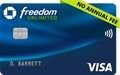
5% cash back on travel booked through Chase Travel℠ 3% cash back on dining and drugstore purchases 1.5% cash back on all other purchases No annual fee |
Regular APR: 18.49% - 27.99% Variable
|
5.0 / 5 Our writers, editors and industry experts score credit cards based on a variety of factors including card features, bonus offers and independent research. Credit card issuers have no say or influence on how we rate cards.
Apply now
on Chase's secure site
|
|
|
Travel rewards value |
3X points on online grocery purchases (excluding Walmart, Target and wholesale clubs), dining (including eligible delivery services) and select streaming services 5X points on Chase Travel℠ and Lyft Rides (Lyft offer through September 30, 2027) 2X points on other travel Yearly credits: Earn up to $100 in statement credits each account anniversary year for hotel stays through Chase Travel℠ $95 annual fee |
Regular APR: 19.49% - 27.74% Variable
|
4.8 / 5 Our writers, editors and industry experts score credit cards based on a variety of factors including card features, bonus offers and independent research. Credit card issuers have no say or influence on how we rate cards.
Apply now
on Chase's secure site
|
|
|
Bonus offers |
Earn 5X miles per dollar on hotels, vacation rentals and rental cars booked through Capital One Travel
Earn 2X miles per dollar on all other purchases
$95 annual fee
|
Regular APR: 19.74% - 28.74% (Variable)
|
4.7 / 5 Our writers, editors and industry experts score credit cards based on a variety of factors including card features, bonus offers and independent research. Credit card issuers have no say or influence on how we rate cards.
Apply now
on Capital One's secure site
|
|
|
Luxury card for travel rewards |
8X points on Chase Travel℠ bookings 4X points on flights and hotel stays booked directly with airlines and hotels 3X points on dining Top-value travel perks available, including almost $1,700 of recurring perks toward eligible travel and dining, plus Priority Pass Select airport lounge membership Additional Southwest Airlines, IHG One and The Shops at Chase perks for the remainder of each calendar year you spend $75,000 $795 annual fee |
Regular APR: 19.74% - 28.24% Variable
|
4.8 / 5 Our writers, editors and industry experts score credit cards based on a variety of factors including card features, bonus offers and independent research. Credit card issuers have no say or influence on how we rate cards.
Apply now
on Chase's secure site
|
|
|
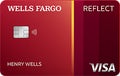
Balance transfers |
0% intro APR for 21 months from account opening on qualifying balance transfers (within the first 120 days) and purchases
(The regular APR will apply thereafter; 5% balance transfer fee, $5 minimum)
No annual fee |
Regular APR: 17.74%, 24.24%, or 28.49% Variable APR
|
4.3 / 5 Our writers, editors and industry experts score credit cards based on a variety of factors including card features, bonus offers and independent research. Credit card issuers have no say or influence on how we rate cards.
Apply now
on Wells Fargo's secure site
|
|
|
Travel card for food |
4X Membership Rewards® points per dollar spent on purchases at restaurants worldwide, on up to $50,000 in purchases per calendar year, then 1X points for the rest of the year. 4X Membership Rewards® points per dollar spent at US supermarkets, on up to $25,000 in purchases per calendar year, then 1X points for the rest of the year. 5X Membership Rewards® points on prepaid hotel stays booked through AmexTravel.com or the Amex Travel App™. 3X Membership Rewards® points on flights booked through AmexTravel.com, the Amex Travel App™, or purchased directly from airlines. 2X Membership Rewards® points on prepaid car rentals booked through AmexTravel.com or the Amex Travel App™ and cruises booked and paid through AmexTravel.com. 1X Membership Rewards® point per dollar spent on all other eligible purchases. Over $400 in various credits in monthly Uber Cash and credits toward eligible dining purchases (Uber Cash expires at the end of the month. Enrollment required for all credits.) $325 annual fee |
Regular APR: See Pay Over Time APR
|
3.9 / 5 Our writers, editors and industry experts score credit cards based on a variety of factors including card features, bonus offers and independent research. Credit card issuers have no say or influence on how we rate cards.
Apply now
on American Express's secure site
See Rates & Fees
, Terms Apply
|
|
|
Affordable travel perks |
10X miles on hotel and rental car bookings through Capital One Travel
5X miles on flights and vacation rentals booked through Capital One Travel
2X miles on all other purchases
Annual $300 Capital One Travel credit and 10,000 account anniversary bonus miles can help offset part of the annual fee
$395 annual fee |
Regular APR: 19.74% - 28.74% (Variable)
|
4.9 / 5 Our writers, editors and industry experts score credit cards based on a variety of factors including card features, bonus offers and independent research. Credit card issuers have no say or influence on how we rate cards.
Apply now
on Capital One's secure site
|
|
|
Grocery rewards card |
6% cash back at U.S. supermarkets on up to $6,000 per year in eligible purchases (then 1%), and on select U.S. streaming subscriptions
3% cash back at eligible U.S. gas stations and on transit (including taxis/rideshare, parking, tolls, trains, buses and more)
Up to $120 annually in Disney streaming subscription credits (up to $10 each month toward eligible subscriptions and bundles at Disneyplus.com, Hulu.com, Stream.ESPN.com U.S. websites. Subject to auto-renewal.
$95 annual fee ($0 intro annual fee the first year) |
Regular APR: 19.74%-28.74% Variable
|
3.4 / 5 Our writers, editors and industry experts score credit cards based on a variety of factors including card features, bonus offers and independent research. Credit card issuers have no say or influence on how we rate cards.
Apply now
on American Express's secure site
See Rates & Fees
, Terms Apply
|
|
|
U.S. Bank loyalists |
Unlimited 2% cash back
Up to an additional 2% cash back on your first $10,000 when paired with a U.S. Bank Smartly® Savings account (terms and conditions apply)
No annual fee
|
Regular APR: 18.49% - 28.49% Variable
|
3.9 / 5 Our writers, editors and industry experts score credit cards based on a variety of factors including card features, bonus offers and independent research. Credit card issuers have no say or influence on how we rate cards.
Apply now
on U.S. Bank's secure site
|
|
|
Business card simplicity |
Unlimited 1.5 percent cash back on all business purchases 5 percent cash back on Lyft rides through September 30, 2027
|
Regular APR: 16.99% - 24.99% Variable
|
4.2 / 5 Our writers, editors and industry experts score credit cards based on a variety of factors including card features, bonus offers and independent research. Credit card issuers have no say or influence on how we rate cards.
Apply now
on Chase's secure site
|
|
|
Luxury card for travel perks |
5X points on directly-booked airfare and flights and prepaid hotels booked through American Express Travel® (on up to $500,000 spent on flights per calendar year) 2X points on prepaid car rentals, vacation packages and cruise reservations through American Express Travel® Top-value travel perks available, including around $3,500 of recurring monthly and annual credits plus comprehensive airport lounge access $895 annual fee |
Regular APR: See Pay Over Time APR
|
3.8 / 5 Our writers, editors and industry experts score credit cards based on a variety of factors including card features, bonus offers and independent research. Credit card issuers have no say or influence on how we rate cards.
Apply now
on American Express's secure site
See Rates & Fees
, Terms Apply
|
|
|
Fair credit |
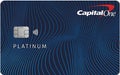
Automatic account review starting at 6 months to be considered for a higher credit line 5% cash back on hotels and rental cars booked through Capital One Travel 1.5% cash back on all other purchases $39 annual fee |
Regular APR: 29.24% (Variable)
|
4.0 / 5 Our writers, editors and industry experts score credit cards based on a variety of factors including card features, bonus offers and independent research. Credit card issuers have no say or influence on how we rate cards.
Apply now
on Capital One's secure site
|
|
|
Low-cost secured card |
Refundable security deposit starting at $49 to get at least a $200 initial credit line Automatic account review starting at 6 months to be considered for a higher credit line No annual fee |
Regular APR: 29.24% (Variable)
|
4.1 / 5 Our writers, editors and industry experts score credit cards based on a variety of factors including card features, bonus offers and independent research. Credit card issuers have no say or influence on how we rate cards.
Apply now
on Capital One's secure site
|
|
|
Flat-rate cash back |
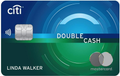
5% cash back on hotels, car rentals and attractions booked through the Citi Travel® portal 2% cash back: 1% when you buy, 1% when you pay
0% intro APR for 18 months on balance transfers (transfers must be within the first four months)
No annual fee
|
Regular APR: 18.49% - 28.74% (Variable)
|
3.2 / 5 Our writers, editors and industry experts score credit cards based on a variety of factors including card features, bonus offers and independent research. Credit card issuers have no say or influence on how we rate cards.
Apply now
on Citi's secure site
|












Determine your preferred category
Browse different categories, then decide which type of credit card is best for you: cash back, travel, balance transfer or no annual fee.
Find your match
Check out our best credit cards lists or provide some basic info to get personalized partner card matches through the CardMatch™ tool.
Choose to apply
Click through to the issuer’s direct site to apply for a new account and start earning rewards or building up credit.
Current credit card interest rates
The national average credit card interest rate is 19.57%, according to Bankrate’s data from July 1, 2026. That’s more than a percentage point lower than two years prior: the national average was 20.71% on July 3, 2024.
How to shop for a credit card and choose the best one
Choosing the best credit card all comes down to which card is going to provide you with the most value based on your financial situation, spending habits and more. Think about these questions when a credit card offer catches your eye:
-
Know your credit score — then work to build it
The better your credit score, the better your chance of qualifying for a credit card with excellent perks and terms. Check your credit score before applying for a new card, and, if your credit score isn’t where you’d like it to be, work on improving your credit. You can also look into credit cards with more lenient credit requirements, but they’re less likely to provide rewards or desirable benefits.
-
Determine which type of card best fits your needs
Research what type of card best suits your spending habits, financial needs and preferred maintenance level. If you spend a lot in certain categories, look for a card with a high rewards rate on those purchases (or keep it simple with a flat-rate rewards card). Consider travel perks or a sufficient 0% intro APR offer if you have credit card debt. Finally, decide how much effort you'd put into maximizing the card's rewards and benefits. For instance, a card with rotating categories that needs activation every quarter would need more attention than a flat-rate card.
-
Create your list
Whittle down to the right card by calculating which would be the most rewarding based on your monthly spending, which perks you’ll likely use and whether an annual fee eats into that yearly value too much. Don’t forget to consider the issuer’s rewards redemption options and card combinations. Finally, a sign-up bonus can be a deciding factor if you’re on the fence between two cards.
-
Check for preapproval
Remember that applying for a credit card triggers a hard inquiry, which can result in a slight credit score drop. For that reason, take your time picking a card and only apply for one card at a time. Before you apply, see if you can prequalify on the issuer’s site or through Bankrate's CardMatch™ tool, which brings you top matches from Bankrate’s trusted partners. While preapproval doesn’t guarantee you’ll be approved, it does raise your chances significantly.

Pros and cons of getting a new credit card
Pros
-
A new credit card means access to more credit, which expands your spending ability. That said, avoid treating it as an income extension as such an approach can quickly lead to debt.
-
More available credit is beneficial for your credit score as it decreases your credit utilization, or how much of your credit line you’re using. Amounts owed is the second most important credit factor after payment history. Make sure you’re using under 30% of your credit line to avoid hurting your credit scores.
-
Some credit cards offer rewards and valuable benefits. When they fit your lifestyle and current spending habits, it’s an easy win. However, if they don’t, you might find yourself spending on things you don’t normally buy only to justify having the card.
Cons
-
When you apply for a credit card, the issuer pulls your credit, which results in a hard inquiry. This will cost you a few credit points. Fortunately, hard inquiries stop impacting your credit score after one year and disappear from your credit reports after two years.
-
Some credit cards charge annual fees. Most of the time, you pay it on your first monthly statement — before you’ve had the chance to offset it.
-
Access to a new credit line and, in some cases, rewards can lead to temptation to overspend. You should be honest with yourself about your spending habits before applying for a new card.
What are the different types of credit cards?
Credit card issuers offer different types of cards to meet various consumer needs, so no one card will be the “best” for everyone. A credit card’s “type” is mostly determined by the spending categories it rewards, the perks it offers, whether it has a low interest rate or lengthy intro APR offers.
Frequent travelers will likely value luxury perks like lounge access more than occasional travelers, who might not see such features as worth a high annual fee. Meanwhile, someone trying to pay off debt will be more focused on an intro APR offer.
Here are the major credit card types and the best features to look out for:
If you don’t travel often and mostly spend on groceries, gas, dining and other everyday categories, look into cash back cards.
- Rewards categories: Cash back cards usually earn rewards on everyday purchases. Groceries, dining, gas and online shopping are likely the most lucrative categories for the typical spender — especially if these categories are year-round. However, flat-rate rewards cards are also great fallback cards for many people.
- Rewards rates: The best flat-rate cash rewards cards typically offer a maximum of 2% back on purchases, while cards with rotating categories or year-round bonus categories can offer anywhere from 2% to 6% back on certain purchases. Good bonus category cards focus your spending in their 3% categories, although category spending caps may be hard to avoid (typically $6,000 per year, often divided out by quarter or billing cycle).
- Perks: Cash back cards typically don’t offer many beyond the rewards program, but standout cards may offer travel protections and perks with partner services like rideshare or delivery services. A rare few cash back cards may even come with annual credits.
- Welcome offers: Since many cash back cards have no annual fee, they typically provide a $200 value for spending $500 to $1,000 in the first three months.
Learn more about our picks for cash back cards here:
Consider this type of credit card if you want to pay off debt or keep interest at bay on upcoming purchases.
Intro APR cards offer 0% interest for a time after account opening, usually 12 to 21 months (although there are outliers at both ends). This interest-free period could be for balance transfers or new purchases, but longer balance transfer offers are more common.
Keep these features in mind as you search for the best intro APR card for your situation:
- Long intro APR period: If you need more time to pay off debt, look for a card that features a 0% intro APR offer of at least 18 months, but the best cards offer 21 to 24 months.
- Rewards: If you only need a 12- to 15-month intro APR, a no-annual-fee rewards card with a short intro APR period may be a better choice long term than a card with a longer intro APR but no rewards program or ongoing perks.
- Balance transfer fee: Most intro APR cards have a 3% to 5% balance transfer fee, and cards with lengthy balance transfer offers usually charge a 5% fee in exchange. A low balance transfer fee is a key consideration when choosing a balance transfer card, as you could save more with a low fee than you would with a few extra months of 0% APR. It’s hard to avoid a balance transfer fee at all, but consider a credit union balance transfer card may offer a lower or waived fee.
Want more information on intro APR credit cards? Check out more recommendations here:
Consider a travel card if you regularly book travel or want to earn rewards you can use for travel.
Travel and rewards cards earn points or miles that are most valuable when you redeem them for travel costs. No-annual-fee travel cards are a great entry point for rewards newbies to dip their toes in the waters of traveling on points and miles, while premium travel cards are best for jetsetters who maximize their travel rewards and every feature of their cards.
When you’re shopping for your next travel card, look for these features:
- Lucrative categories: The best rewards and travel cards earn at least 2% on general purchases or higher rewards rates on everyday purchases like groceries, restaurants, and gas (3% or more). Look for cards that earn high rates in categories you spend the most in. If you’re a frequent traveler, consider cards that have 4X to 10X points or miles on common travel bookings.
- Welcome offers: The best no-annual-fee rewards cards will come with welcome bonuses worth at least $200 in rewards, ideally with a low spending requirement of $500 to $1,000 in the first three months. Top-tier travel and rewards cards will offer $750 or more in travel or cash back with spending requirements of around $3,000 to $4,000 in spending in the first six months.
- Practical and luxury perks: No-annual-fee travel cards come with useful perks like travel insurance, while premium travel cards have credits for travel costs, expedited airport security screening or airport lounge access. Co-branded hotel and airline cards have free checked bags, free nights and more.
- Rewards value: Your points and miles’ value can vary depending on how you redeem them. The best rewards cards let you redeem points for cash back or travel at a value of at least 1 cent per point or transfer to airlines and hotels for a chance at an even higher redemption value (the most valuable travel points and miles are worth around 2 cents).
And check out our lists for the best travel and rewards cards:
If you have no credit history or are looking to rebuild your score, a credit-building card is your best bet.
Secured cards are the most rewarding and cost-effective option if you have money for an upfront deposit (refundable when you upgrade or close your account). You won't have to put down a deposit on an unsecured card, but you'll likely have to pay an annual fee. These are the features to consider when shopping for cards to help you build credit:
- Security deposit: The best secured cards make it easy to get started with a low security deposit. Secured cards typically require a $200 minimum deposit, but a few cards have lower minimum deposit requirements — some as low as $50.
- Low fees: And while unsecured credit cards won't require any deposit, many come with high fees. Look for unsecured credit-building cards that keep annual fees under $70 and don't tack on additional monthly or program fees. However, it’s better to keep your starter card open for a few years to fortify your credit score, so these fees could be a deal-breaker.
- Credit limit: Since a secured card's credit limit typically matches your deposit, cards that allow a large deposit can make it much easier to keep your credit utilization ratio low and build credit. Secured cards usually have a $2,500 max deposit, but some allow a $5,000 limit. For unsecured cards, make sure you can get at least a $300 starting limit.
- Upgrade potential: Consider cards with a clear path to better products after you’ve improved your credit score. Secured card issuers usually review your account after some time to determine if you’re eligible to upgrade to an unsecured card and have your deposit refunded.
Learn more about Bankrate’s picks for the top credit-building cards here:
If you’re a small-business owner or freelancer, a business card can help you manage spending and earn rewards on common operating expenses.
You could benefit from a small-business card if:
- You own an online retail store and Etsy with recurring shipping and merchandise costs
- You’re a digital artist or freelancer who needs capital for software and hardware purchases
- You’re an LLC owner with an established business who needs employee cards and flexible funding
- You own a corporation and nonprofit with 100 or fewer employees
Gauge the following features on a card to determine whether it's a stand-out option:
- Rewards: Many business cards offer everyday bonus categories like dining, but some of the best cards earn 2% to 4% rewards back on business purchases like travel, office supplies, electronics, advertising, shipping and/or telecommunication services.
- Perks: The best business cards have specialized features, such as higher credit limits than consumer cards, statement credits for software or hardware purchases,
- Welcome offer: The best cards give you a chance at a large cash or travel rewards bonus with a reasonable spending requirement. You may even see premium cards offer $2,000 or more after spending a few thousand dollars in the first few months, while top no-annual-fee business cards tend to offer around $200 to $300 for lower spending requirements.
- Management tools: Free employee cards, integration with QuickBooks or other accounting software and customizable spending limits round out common business card features to look for.
Larger corporations and companies may not get much out of a business card if it doesn’t have a high enough credit limit to provide enough purchasing power. In these cases, a corporate credit card may be a better option. Here’s more information about Bankrate’s picks for business cards:
Which credit cards does Bankrate staff use?
Everyone's preferences, goals and financial situation varies, so there's no single best credit card. But a few definitely stand out.
Bankrate staff insight
"My family’s go-to travel card is the Chase Sapphire Preferred. It pairs well with our other Chase cards and helps us make the most of our points with high-value travel redemptions. We’ve used this card's points to book some great hotels for family vacations, which has made it easier to spend money on other fun things on our trips.
"Although it’s not the flashiest card on the market, my favorite cash back card is my Fidelity® Rewards Visa Signature® Credit Card*. It earns 2% cash back on every purchase, and the rewards are automatically transferred into my Fidelity IRA every month or so. Putting cash back toward my investments and future financial independence feels like a total hack!"
 John Puterbaugh, Bankrate Editor-in-Chief
"The Capital One Savor Cash Rewards Credit Card offers solid cash back in such common everyday spending categories as dining and groceries — and there's no annual fee. With food prices being such a pain point for many, I think this is an excellent choice for many people."
 Ana Staples, Principal Analyst and Credit Cards Expert
Alternative options to opening a new credit card
Before you get a credit card, consider alternative options that might serve your purpose better.
- Personal loan: This type of installment loan comes with a predictable payment schedule and a fixed interest rate. Besides large expenses, you can use it for debt consolidation: while you won’t get a 0% APR period, you still might secure a lower rate than what most credit cards charge.
- Buy Now, Pay Later (BNPL): If you’re considering a credit card to finance a purchase, BNPL could be a helpful alternative, as it allows you to split larger purchases into several biweekly payments without interest. Additionally, BNPL providers typically don't require credit checks. As long as you don’t use BNPL impulsively and can afford the payments, it’s not a bad deal.
- Credit-builder loan: If your goal is to build credit, but you don’t feel ready for a credit card yet, look into credit builder loans. With this loan, the money you’re borrowing is locked into a savings account. You make payments, which the lender reports to the credit bureaus, and receive the funds once you complete the term.
Frequently asked questions
Next steps in your credit card journey
Best cash back credit cards
See our selection for this category
10 credit card mistakes to avoid
Making these mistakes could have a negative impact on your credit
How I built my credit with a credit card
One Bankrate writer tells her story
How to do a credit card balance transfer
Learn the most important steps to take
Meet the Bankrate Experts

- NACCC Certified Credit Counselor (2025)
- Credit cards
- Loans

How we choose the best credit cards
We select cards for “Best” credit cards pages based primarily on how cards score in our proprietary card rating system, our editors’ subjective assessment of card quality, card approval odds and credit requirements and unique card features.
Cards typically must score a minimum of 3.0 stars to be included on a “Best” list. However, we may include cards with scores below 3.0 if they have low credit requirements or unique features — despite their scores, these cards may still be among the “best” in certain categories. Card ratings are not influenced by advertisers or issuer relationships in any way.
Card selection and ordering may vary based on business considerations, including Bankrate visitor interest, site interactions and card application volume. Affiliate commissions (see how we make money), limited-time offers and a card’s general popularity in the product landscape may also influence which cards we feature on our pages and the order in which they appear. Bankrate’s editorial and business teams also strive to feature a variety of card types from various issuers.
Great rewards value: For cards that put earning rewards front and center, a key criteria for their inclusion in our list of the best credit cards is whether they offer impressive rewards value. This includes a card’s average rewards rate, estimated annual rewards earnings and sign-up bonus value. These factors are all based on its average rewards rate and how closely those categories match the average person’s spending habits according to the most recent Bureau of Labor Statistics (BLS) data.
Reasonable fees and APR: We rate all cards based on how their ongoing average APR compares to the average APR you’ll find on other cards in their primary category. For rewards-earning cards, this factor has only a minor influence on the card’s score and whether the card is included in our list, since rewards card users generally try to avoid carrying a balance. That said, rewards-earning cards may get a solid boost in score if they also offer an intro APR on balance transfers or new purchases. More important to these cards’ scores and their inclusion in our list is how their annual fees influence their overall value.
Flexibility and perks: Along with rewards value and cost, we consider other factors that could give cards great long-term value, like flexible rewards redemption, unique and valuable perks or the ability to switch to another card with the same issuer after you’ve paid off debt or improved your credit score. We rate rewards-earning cards based on the restrictions they impose on earning and redeeming rewards and consider this when deciding on a card’s inclusion in our list. We also evaluate each card’s perks based on their value, usefulness and uniqueness.
*The information about the Fidelity® Rewards Visa Signature® Credit Card and Chase Freedom Flex® has been collected independently by Bankrate. The card details have not been reviewed or approved by the issuer.
For Capital One products listed on this page, some of the benefits may be provided by Visa® or Mastercard® and may vary by product. See the respective Guide to Benefits for details, as terms and exclusions apply.