Best rewards credit cards of September 2026


Get personal card recommendations
Answer 5 simple questions and get matched with rewards credit cards from Bankrate's marketplace.
What's your top spending category?

Filter by
If there's a better card out there, it's probably here
We cover 90%+ of U.S. credit card accounts. So when you compare on Bankrate, you're seeing almost everything the market has to offer.
Showing 15 results

on Chase's secure site
See Rates & FeesIntro offer
100,000 bonus points
Rewards Rate
1x - 8x
Annual fee
$795
Regular APR
19.49% - 27.99% Variable
Why you'll like this: It carries a ton of valuable perks and credits, ranging from flexible travel statement credits to airline- and hotel-specific status upgrades.
Reward Details
What you should know
Card Details
Apply with confidence
By applying, you can see if you're approved before impacting your credit
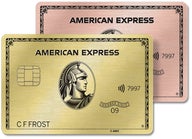
Best for food and travel
on American Express's secure site
See Rates & Fees, Terms ApplyIntro offer
As High As 100,000 points. Find Out Your Offer.
Rewards rate
1X - 5X
Annual fee
$325
APR
See Pay Over Time APR
Why you'll like this: Along with its terrific perks for foodies, it offers valuable rewards on everyday spending.
Reward Details
What you should know
Card Details
Best for simple rewards

Intro offer
25,000 points
Rewards rate
1.5X - 3X
Annual fee
$0
Regular APR
17.49% - 27.49% Variable APR on purchases and balance transfers
Why you'll like this: It boasts a more valuable welcome offer than most no-annual-fee travel cards and is one of the few that offers an intro APR.
Reward Details
What you should know
Card Details

on Chase's secure site
See Rates & FeesIntro offer
Earn $200 cash back
Rewards Rate
1.5% - 5%
Annual fee
$0
Regular APR
18.24% - 27.74% Variable
Why you'll like this: Its high rewards rates make it lucrative as both a standalone card for everyday spending and as part of a Chase travel stack.
Reward Details
What you should know
Card Details
Best for flat-rate travel rewards

on Capital One's secure site
See Rates & FeesIntro offer
Earn 75,000 miles
Rewards rate
2X miles - 5X miles
Annual fee
$95
Regular APR
19.49% - 28.49% (Variable)
Why you'll like this: It boasts solid short- and long-term value for occasional travelers with its flat rewards rate and welcome offer.
Reward Details
What you should know
Card Details
Best for affordable travel perks

on Capital One's secure site
See Rates & FeesIntro offer
Earn 75,000 bonus miles
Rewards rate
2 Miles - 10 Miles
Annual fee
$395
Regular APR
19.49% - 28.49% (Variable)
Why you'll like this: You’ll get access to a handful of the most useful and valuable travel perks out there without breaking the bank.
Reward Details
What you should know
Card Details
Best for entertainment

on Capital One's secure site
See Rates & FeesIntro offer
Earn $200 Cash Back
Rewards rate
1% - 8%
Annual fee
$0
Regular APR
18.49% - 28.49% (Variable)
Why you'll like this: Its boosted cash back rate in popular spending categories makes it great as both a standalone option and a companion to other cards from the issuer.
Reward Details
What you should know
Card Details
Apply with confidence
By applying, you can see if you're approved before impacting your credit
Best for luxury travel

on American Express's secure site
See Rates & Fees, Terms ApplyIntro offer
As High As 175,000 points. Find Out Your Offer.
Rewards rate
5X
Annual fee
$895
APR
See Pay Over Time APR
Why you'll like this: It’s perfect for luxury-minded travelers who spare no expense when booking airfare or hotels and want the most with every experience.
Reward Details
What you should know
Card Details
Apply with confidence
By applying, you can see if you're approved before impacting your credit
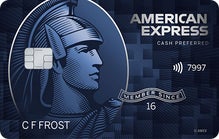
Best for groceries
on American Express's secure site
See Rates & Fees, Terms ApplyIntro offer
As High As $300 Cash Back. Find Out Your Offer.
Rewards rate
1% - 6%
Annual fee
$0 intro annual fee for the first year, then $95.
APR
19.49%-28.49% Variable
Why you'll like this: It boasts the highest cash back rate available at U.S. supermarkets.
Reward Details
What you should know
Card Details
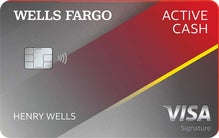
Best for flat-rate cash rewards
on Wells Fargo's secure site
See Rates & FeesIntro offer
$100 cash rewards
Rewards rate
2%
Annual fee
$0
Regular APR
18.49%, 24.49%, or 28.49% Variable APR
Why you'll like this: It earns cash back at a consistent rate — and you can redeem it at an ATM.
Reward Details
What you should know
Card Details
Best travel card for rewards value

on Chase's secure site
See Rates & FeesIntro offer
75,000 bonus points
Rewards rate
1x - 5x
Annual fee
$95
Regular APR
19.24% - 27.49% Variable
Why you'll like this: It boasts terrific rewards value with its annual bonus points, practical bonus categories, high-value points and redemption flexibility.
Reward Details
What you should know
Card Details

on Chase's secure site
See Rates & FeesIntro offer
$200 bonus
Rewards rate
1% - 5%
Annual fee
$0
Regular APR
18.24% - 27.74% Variable
Why you'll like this: This card's combo of year-round and rotating bonus categories gives it more ongoing value than other similar cards.
Reward Details
What you should know
Card Details

on Capital One's secure site
See Rates & FeesIntro offer
Cashback Match
Rewards rate
1% - 5%
Annual fee
$0
Regular APR
17.49% - 26.49% Variable APR
Why you'll like this: It offers the best rewards rate you can get in several popular categories over the course of the year.
Reward Details
What you should know
Card Details
Best no-annual-fee travel card

on Capital One's secure site
See Rates & FeesIntro offer
Earn a bonus of 20,000 miles
Rewards rate
1.25X miles - 5X miles
Annual fee
$0
Regular APR
18.49% - 28.49% (Variable)
Why you'll like this: Earning travel rewards is simple and low risk thanks to its solid flat rewards rate and $0 annual fee.
Reward Details
What you should know
Card Details
Intro offer
Earn 60,000 bonus ThankYou® Points
Rewards rate
1X - 10X
Annual fee
$95
Regular APR
19.49% - 27.49% (Variable)
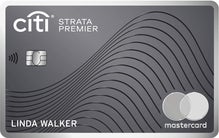
Why you'll like this: It has a valuable welcome offer and an annual hotel credit that can easily offset its annual fee.
Reward Details
What you should know
Card Details

Remove a card to add another to compare
Remove a card to add another to compare
Compare Bankrate’s top rewards credit cards
| Our picks for | Welcome offer | ||
|---|---|---|---|
Travel credits | Intro Offer: 100,000 bonus points Hover to learn more Regular APR: 19.49% - 27.99% Variable | $795 | |
Apply with confidence Hover to learn more on American Express's secure site See Rates & Fees, Terms Apply | Food and travel | Intro Offer: As High As 100,000 points. Find Out Your Offer. Hover to learn more Regular APR: See Pay Over Time APR | $325 |
Apply now on Bank of America's secure site | N/A | Intro Offer: 25,000 points Hover to learn more Regular APR: 17.49% - 27.49% Variable APR on purchases and balance transfers | $0 |
Flexibility | Intro Offer: Earn $200 cash back Hover to learn more Regular APR: 18.24% - 27.74% Variable | $0 | |
Flat-rate travel rewards | Intro Offer: Earn 75,000 miles Hover to learn more Regular APR: 19.49% - 28.49% (Variable) | $95 | |
Affordable travel perks | Intro Offer: Earn 75,000 bonus miles Hover to learn more Regular APR: 19.49% - 28.49% (Variable) | $395 | |
Entertainment + Best overall | Intro Offer: Earn $200 Cash Back Hover to learn more Regular APR: 18.49% - 28.49% (Variable) | $0 | |
Apply with confidence Hover to learn more on American Express's secure site See Rates & Fees, Terms Apply | Luxury travel | Intro Offer: As High As 175,000 points. Find Out Your Offer. Hover to learn more Regular APR: See Pay Over Time APR | $895 |
Apply with confidence Hover to learn more on American Express's secure site See Rates & Fees, Terms Apply | Groceries | Intro Offer: As High As $300 Cash Back. Find Out Your Offer. Hover to learn more Regular APR: 19.49%-28.49% Variable | $0 intro annual fee for the first year, then $95. |
Flat-rate cash rewards | Intro Offer: $100 cash rewards Hover to learn more Regular APR: 18.49%, 24.49%, or 28.49% Variable APR | $0 | |
Travel rewards value | Intro Offer: 75,000 bonus points Hover to learn more Regular APR: 19.24% - 27.49% Variable | $95 | |
Category variety | Intro Offer: $200 bonus Hover to learn more Regular APR: 18.24% - 27.74% Variable | $0 | |
Category variety | Intro Offer: Cashback Match Hover to learn more Regular APR: 17.49% - 26.49% Variable APR | $0 | |
No-annual-fee travel card | Intro Offer: Earn a bonus of 20,000 miles Hover to learn more Regular APR: 18.49% - 28.49% (Variable) | $0 | |
Hotel bookings | Intro Offer: Earn 60,000 bonus ThankYou® Points Hover to learn more Regular APR: 19.49% - 27.49% (Variable) | $95 |



Determine your preferred category
Browse different categories, then decide which type of credit card is best for you: cash back, travel, balance transfer or no annual fee.
Find your match
Check out our best credit cards lists or provide some basic info to get personalized partner card matches through the CardMatch™ tool.
Choose to apply
Click through to the issuer’s direct site to apply for a new account and start earning rewards or building up credit.
How to choose a rewards card
Navigating the wide range of rewards card options can be difficult. How do you narrow down your search?
The key is to look at spending habits and find cards that give you the biggest rewards in those categories. You also want to make sure you’re earning the type of rewards you’ll actually use.
Let's go over this in more detail. To kick off your search for the right card, ask yourself the following three questions:
What kind of rewards do you want to earn?
The first thing you need to decide is what kind of rewards you want to earn. Cash back is a simple and flexible rewards currency that tends to offer consistent value. Travel rewards, on the other hand, can provide higher value — but you’ll need to put in some work and strategy to get it.
Here’s a look at the different types of rewards, which cards earn them and the pros and cons of each.
These cards are your best choice for earning rewards on day-to-day purchases. They rarely charge annual fees, and cash back typically stays consistent in value. Sometimes, it can also be pooled with travel rewards from the same issuer. On the other hand, cash back cards lack notable benefits beyond rewards — but some may offer limited-time perks.
They earn some of the most valuable rewards on various everyday and travel purchases, but the value depends on the redemption method. These cards are also among the best cards on the market for valuable perks. However, that comes at a price: Premium general-purpose travel cards charge annual fees ranging from $95 to $795.
Co-branded travel cards offer perks, privileges and boosted rewards rates with specific airlines or hotel brands. Major hotel points often hold lower average values than the average value of general travel points and airline miles. Annual fees vary widely, from $0 to $550 and more.
How do you want to earn rewards?
Once you know the type of rewards you want to earn, the next step is to figure out how you will earn them. To do that, you should look at where you spend your money. For example, if groceries make up a large part of your budget, first look for a card that earns bonus rewards for groceries, then decide whether you want to earn cash back or points.
Consider also the effort you’ll need to put in earning rewards. A card might offer outstanding rewards rates, but the rewards structure might make them challenging to earn. Overall, there are three types of rewards structures:
-
Flat rewards rates: The easiest to manage since you earn rewards at the same rate on almost all purchases (usually 1.5% or 2% back). This structure is a great fit if you value simplicity but cards with tiered rates can be more rewarding.
-
Tiered bonus categories: You can earn anywhere from 2% to 6% back in popular bonus categories like groceries, dining and travel, but often just 1% in less common spending categories.
-
Rotating categories: You can earn chart-topping 5% rewards on categories that change each quarter, but maximizing your rewards requires a lot of effort. This structure may be better suited as a supplement to flat rewards rates and tiered bonus categories.
Pros and cons of rewards cards
Rewards credit cards can be quite appealing, and for good reason. But that doesn’t mean this kind of card is a perfect choice for everyone. Here are some advantages and drawbacks you should be aware of.
Pros
-
Rewards cards earn cash back, points or miles — perhaps the most obvious perk of this type of credit card. Each time you make a purchase, you get a little bit back in the form of rewards.
-
Premium rewards cards typically also provide extra perks, such as statement credits on certain purchases, travel protections, airport lounge access and more.
-
Most rewards credit cards come with welcome bonuses, some of which can be rather lucrative (think over $1,000 in value when redeemed).
Cons
-
You typically need good credit (or a FICO score of at least 680) to get approved for a rewards credit card.
-
Some rewards cards charge annual fees. This is especially common for travel credit cards.
-
Managing a rewards card well requires some discipline. You need to ensure you’re not overspending just to chase a few extra points or more cash back.
Our experts' favorite rewards programs

“I have the Capital One Venture X Rewards Credit Card, which earns incredibly flexible travel rewards. I'm not big on rewards transfers, so I appreciate that Capital One miles hold consistent value whether I book travel through the issuer's portal or use miles to cover recent travel purchases. Plus, I convert my Capital One Savor Cash Rewards Credit Card’s cash back into miles to earn free travel faster. It's really simple and convenient!"

“I like to maximize my rewards on every purchase, no matter how large or small. I get the best value from Chase Ultimate Rewards points, particularly when transferring to World of Hyatt or Southwest Airlines rewards. Whether it's spending towards an annual bonus or using the best bonus multiplier for almost any category, my arsenal of Chase cards bring the largest possible return for the best possible value. Combining my points boosts the value earned by each card, making my Chase cards a well-oiled rewards machine that facilitates great travel experiences for my family.”
What makes a “good” rewards card?
There’s no rewards card that’s perfect for everyone, but a good card for you:
-
Offers rewards you find valuable
Cash back cards are generally easiest if you want to use your rewards to fuel your everyday spending. But if you travel and don’t mind strategizing to maximize your rewards, you could get better redemption value than the standard 1 cent per point or mile, especially with a travel rewards card with redemption options like transfer partners.
-
Rewards your spending habits
You can match your spending habits with a fitting rewards card once you know your major monthly categories, where you often shop and how much you typically spend. Keep in mind, some cards have caps on your rewards rates and drop your rate to 1% after you spend a certain amount in a select category within a timeframe. This is often up to $1,500 per quarter or up to $6,000 per year, which could make a card with no rewards rate cap more valuable depending on how much you typically spend.
The right card for you will reward you at a high rate in your most common spending categories and without much additional effort. Pick the card with a rewards program that matches the amount of effort you’re comfortable with.
-
Provides benefits you can use consistently
Perks that come with a card can play a key role in determining its overall value. Many premium cards carry flashy perks like annual travel credits, airport lounge access and automatic loyalty status, but be sure to read the fine print and calculate whether you’ll actually get enough value out of these perks to consistently offset the yearly cost.
-
Allows you to easily offset fees
If your credit card charges an annual fee, you want to ensure you can offset it with valuable benefits. Additionally, you don’t want to find yourself in a scenario where you incur additional spending just to take advantage of a perk. Card benefits should naturally match your lifestyle.
-
Rewards extra effort or offers simplicity
Some rewards cards offer outstanding potential value — but only if you're willing to put in some effort (and spend). Other cards might provide less potential value, but the benefits are also much easier to take advantage of.
For example, the American Express Platinum Card® and the American Express® Gold Card, provide hundreds of dollars in statement credits, but you’ll have to put in some work to earn them every month.
Which type of card works better for you depends on your spending habits, as well as how much work you're ready to put into maximizing a credit card's value.
How to best use a rewards card
A rewards credit card is only a financial tool. Whether it will benefit you depends on how you’ll use it. Here are a few good practices to keep in mind:
- Use a rewards credit card for your everyday purchases. That way, you’ll regularly earn cash back, points or miles on your regular spending.
- Avoid carrying a balance. The average credit card interest is around 20%, according to Bankrate’s data. No rewards rate can beat that.
- If your rewards card has an annual fee, it’s a good idea to reevaluate whether the rewards and benefits offset the fee every year. If not, look into downgrading the card.
- Don’t spend more than you normally would just to earn more rewards. Unless you’re trying to earn a generous welcome bonus, such a habit can quickly become harmful to your budget.
What's your go-to method for maximizing credit card rewards?

I have multiple credit cards in all of my largest spend categories. For me, that includes groceries, travel and dining out. Then, it’s just about making sure I’m using the right card for the right purchases and watching the rewards roll in. I also have authorized user cards for my husband for each one, so I get rewards from his spending too.

On the earning side, I maximize credit card rewards by signing up for a new card when there is an elevated welcome bonus offer. Earning a welcome bonus on a new card is the quickest way to add many thousands of points to your reward balance as it typically requires a set amount of spending within a specific timeframe. On the redemption side, I maximize my credit card rewards by utilizing limited-time transfer bonuses from the flexible programs.

Most people focus their credit card strategy on how to earn the most points possible and then later think about what they might be able to redeem them for. I think this is backwards. I like to start by knowing what reward I’m working toward, then reverse engineer my earning strategy. I’m not just earning points — I’m earning the right points, and I know I’m going to be able to put them into use! This is much more motivating.
Frequently asked questions about rewards credit cards
Next steps in your credit card journey
Who pays for credit card rewards?
The answer might not be as simple as you think
Best credit card rewards programs of this year
These issuers offer solid rewards opportunities
How much are credit card points and miles worth?
Learn how to calculate your travel points' value
Are rewards credit cards worth it?
There are several pros and cons to consider
Meet the Bankrate Experts
- NACCC Certified Credit Counselor (2025)
- Credit cards
- Debt management

How we choose the best rewards credit cards
We select cards for the “Best rewards credit cards” page based primarily on how they score in our proprietary card rating system, our editors’ subjective assessment of card quality, card approval odds and credit requirements and unique card features.
Cards typically must score a minimum of 3.0 stars to be included on this list. However, we may include cards with scores below 3.0 if they have low credit requirements or unique features — despite their scores, these cards may still be among the “best” in certain categories. Card ratings are not influenced by advertisers or issuer relationships in any way.
Card selection and ordering may also vary based on business considerations, including Bankrate visitor interest, site interactions and card application volume. Affiliate commissions (see how we make money), limited-time offers and a card’s general popularity in the product landscape may also influence which cards we feature on our pages and the order in which they appear. Bankrate’s editorial and business teams also strive to feature a variety of card types from various issuers.
When evaluating the best rewards cards, we consider a mix of factors, including how cards score in our proprietary card rating system and whether cards offer features that fit the priorities of a diverse group of cardholders, from earning rewards in popular categories to scoring a large sign-up bonus or high-value perks. Whenever possible, we also feature cards that are available at various credit levels and price points.
We analyzed over 150 of the most popular cards and scored each based on its rewards rate, estimated annual earnings, welcome bonus value, APR, fees, perks and more to determine whether it belonged in this month’s roundup of the best rewards cards.
Here’s a quick breakdown of the key factors in our rewards card scoring methodology and details we considered when putting together our list of the best rewards cards.
-
Value 65%
-
Flexibility 15%
-
Perks 15%
-
Customer experience 5%
Have more questions for our credit card editors? Feel free to send us an email, find us on Facebook, or Tweet us @Bankrate.
For Capital One products listed on this page, some of the benefits may be provided by Visa® or Mastercard® and may vary by product. See the respective Guide to Benefits for details, as terms and exclusions apply.