Advertiser Disclosure
Bankrate.com is an independent, advertising-supported publisher and comparison service. Our websites may earn compensation when a customer clicks on a link, when an application is approved, or when an account is opened. Therefore, this compensation may impact what products appear and how, where, and in what order they appear within listing categories, except where prohibited by law for our mortgage, home equity and other home lending products. Other factors, such as our proprietary website rules and whether a product is offered in your area or at your self-selected credit score range, can also impact how and where products appear on this site. While we strive to provide a wide range of offers, Bankrate does not include information about every financial or credit product or service.
Best credit cards for bad credit in June 2026
 Written by

- • Credit cards
- • Credit card debt
 Edited by

- • Credit cards
- • Building credit
Edited by
- • Credit cards
- • Building credit
Advertiser Disclosure: Bankrate’s editorial team chooses and recommends the credit cards on this page. Our websites may earn compensation when a customer clicks on a link, when an application is approved, or when an account is opened. However, our recommendations and card ratings are produced independently without influence by advertising partnerships with issuers.
- The secured Self Visa® Credit Card1: Best for building credit with savings
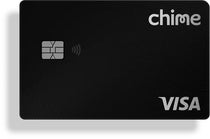
- The secured Chime Visa® Credit Card: Best card with no interest
-
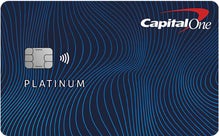
Capital One Platinum Secured Credit Card: Best low-cost secured card
-
Firstcard® Secured Credit Builder Card with Cashback: Best card for no credit check
-
Discover it® Secured Credit Card: Best cash back card for bad credit
-
Nav Prime Card: Best for building business credit
-
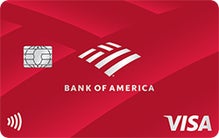
Bank of America® Customized Cash Rewards Secured Credit Card: Best customized rewards for bad credit
-
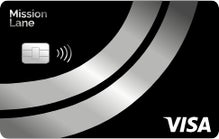
Mission Lane Silver Line Visa® Credit Card: Best low-cost unsecured card
How we make money
You have money questions. Bankrate has answers. Our experts have been helping you master your money for over four decades. We continually strive to provide consumers with the expert advice and tools needed to succeed throughout life’s financial journey.
Bankrate follows a strict editorial policy, so you can trust that our content is honest and accurate. Our award-winning editors and reporters create honest and accurate content to help you make the right financial decisions. The content created by our editorial staff is objective, factual, and not influenced by our advertisers.
We’re transparent about how we are able to bring quality content, competitive rates, and useful tools to you by explaining how we make money.
Bankrate.com is an independent, advertising-supported publisher and comparison service. Our websites may earn compensation when a customer clicks on a link, when an application is approved, or when an account is opened. Therefore, this compensation may impact what products appear and how, where, and in what order they appear within listing categories, except where prohibited by law for our mortgage, home equity and other home lending products. Other factors, such as our proprietary website rules and whether a product is offered in your area or at your self-selected credit score range, can also impact how and where products appear on this site. While we strive to provide a wide range of offers, Bankrate does not include information about every financial or credit product or service.
Bankrate has partnerships with issuers including, but not limited to, American Express, Bank of America, Capital One, Chase, Citi and Discover.
Filter by
Showing 5 results
Best card with no interest
Intro offer
N/A
Annual fee
None
Regular APR
N/A
Why you'll like this: It doesn’t charge interest or require a traditional security deposit, making it an especially low-risk credit-building option.
Reward Details
- 2%Earn 2% cash back² on category of choice with Chime Plus status.³
What you should know
Alternatives: The Firstcard® Secured Credit Builder Card with Cashback operates similarly: Your spending limit is determined by the funds you deposit into your account and it doesn’t charge interest. However, it also doesn’t require a credit check, which could help people with bad credit access credit-building tools.
- It helps build credit without interest, mitigating the risk of credit card debt.
- The lack of security deposit makes it a cheaper option to open an account compared to other cards.
- It requires qualifying direct deposit direct deposit for eligibility, so you may have to move your banking products to Chime to open this card.
- The card’s limit is dependent on how much you have in the account, so it has less flexibility in emergencies.
Card Details
A Chime® Checking Account is required to apply for the secured Chime Visa® Credit Card.
Credit building, stress-free.¹
Earn 2% cash back² on category of choice with Chime Plus status.³
SpotMe® on Credit.⁴
No interest⁵, no credit check.
Over 47,000 fee-free ATMs.⁶
Fee-free in-network cash deposits.⁷
¹On-time payment history may have a positive impact on your credit score. Late payment may negatively impact your credit score. Results may vary.
²With a qualifying direct deposit, earn 2% cash back on eligible secured Chime Visa® Credit Card purchases.
³To be eligible for Chime Plus™ status you must receive a qualifying direct deposit to your Chime Checking Account in the preceding 34 days. Certain products marketed as Chime Plus benefits have additional eligibility requirements. While some Chime Plus benefits may have associated fees, none of these fees are mandatory to access Chime Plus benefits or to maintain Chime Plus status. See Chime Plus Terms and Conditions for details. Chime Plus is a Trademark of Chime Financial, Inc.
⁴SpotMe® eligibility requirements and limits apply. Overdraft only applies to credit card transactions and cash withdrawals. Limits range from $20-$200.
⁵Out-of-network ATM withdrawal and over the counter advance fees may apply.
⁶Out-of-network ATM withdrawal and over the counter advance fees may apply except at FCTI® ATMs in a 7-Eleven® or Speedway, or any Allpoint® or Visa® Plus Alliance ATM participating in the Allpoint network.
⁷Once the retailer accepts your cash, the funds will be transferred to your Chime account. Cash deposit fees may apply if using a retailer other than Walgreens and Duane Reade.
The secured Chime Visa® Credit Card is issued by The Bancorp Bank, N.A. or Stride Bank, N.A. pursuant to a license from Visa U.S.A. Inc. and may be used everywhere Visa credit cards are accepted. Please see the back of your Card for its issuing bank.
Best low-cost secured card
Intro offer
N/A
Annual fee
$0
Regular APR
28.99% (Variable)
Why you'll like this: You may be eligible to put down a security deposit as low as $49 and still get a $200 minimum credit line.
What you should know
Alternatives: If you want to earn rewards while you build credit, try the Discover it® Secured Credit Card. While it doesn’t have as low a security deposit as the Capital One Platinum Secured, it offers consistent cash back.
- You get unlimited access to your credit score and tools to help you monitor your credit profile with CreditWise without hurting your score.
- It doesn’t charge an annual fee, another plus for affordability.
- People with bankruptcies or debt collections on their credit reports may have a harder time qualifying.
- The ongoing variable APR is high when compared to some similar cards.
Card Details
No annual or hidden fees. See if you're approved in seconds
Building your credit? Using the Capital One Platinum Secured card responsibly could help
Put down a refundable security deposit starting at $49 to get at least a $200 initial credit line
You could earn back your security deposit as a statement credit when you use your card responsibly, like making payments on time
Be automatically considered for a higher credit line in as little as 6 months with no additional deposit needed
Enjoy peace of mind with $0 Fraud Liability so that you won't be responsible for unauthorized charges
Monitor your credit score with CreditWise from Capital One. It's free for everyone
Get access to your account 24 hours a day, 7 days a week with online banking to access your account from your desktop or smartphone, with Capital One's mobile app
Top rated mobile app
Best for building business credit

Regular APR
N/A
Annual fee
Nav Prime is $49.99/month, which gets reported as a tradeline.
Why you'll like this: It’s available even with a low personal credit score and reports two tradelines to credit bureaus, helping you build credit more efficiently.
What you should know
Alternatives: The Revenued Business Card could also be worth a look since it bases approvals on your business revenue, not your credit score. However, the Revenued Flex Line uses a purchase of future sales financing model, so you can’t avoid finance charges.
- The issuer reports both card repayments and Nav Prime membership fee payments to credit bureaus, allowing you to build credit on two fronts.
- The card doesn’t require a credit check, security deposit or revenue minimums, making it a solid starting point for new business owners.
- Nav Prime membership is very pricey and may not be worth it unless you’re laser-focused on building credit as quickly as possible.
- Since it’s a charge card, it won’t be a great fit if you need to pay off purchases over time or carry a balance to free up cash flow.
Card Details
Two tradelines from Nav Prime payments ($49.99/mo) and Nav Prime Card use
Nav Prime Card to build business credit history from everyday purchases
Nav is the only place you can see up to 6 business and personal credit scores for confident decision-making.
Access to Nav Business Checking to manage money with no domestic fees or minimum balance
Get connected to 160+ new financial options as your credit health evolves
There are no requirements to get Nav Prime. To get the Nav Prime Card, you are required to be an active Nav Prime member, have an approved Nav Business Checking application, and a successfully linked bank account to use as repayment for your Nav Prime Card balance. The Nav Prime Card is currently not available in ND, SD, and NV.
Nav Technologies, Inc. is a financial technology company and is not an FDIC-insured bank. Banking services provided by Thread Bank, Member FDIC. FDIC deposit insurance covers the failure of an insured bank. The Nav Prime Charge Card is issued by Thread Bank, Member FDIC, pursuant to a license from Visa U.S.A. Inc. and may be used anywhere Visa cards are accepted. Certain conditions must be satisfied for pass-through deposit insurance coverage to apply. See Cardholder Terms for additional details. All other features of the Nav Prime membership are not associated with Thread Bank.
With regard to credit building features: scores are calculated from many variables; some users may not see improved scores. The Nav Prime Charge Card is a business financing product and may not be used for personal, family or household transactions.
Read the Nav Prime Card Terms and Nav Prime Card Authorized User Terms to learn more.
Best customized rewards for bad credit
Regular APR
27.74% Variable APR on purchases and balance transfers
Annual fee
None
Why you'll like this: Its rewards rates match the rates you’ll get on its unsecured version, so you won’t miss out while working on your score.
Reward Details
- 3%3% cash back in the category of your choice: gas, online shopping, dining, travel, drug stores, or home improvement/furnishings
- 2%2% cash back at grocery stores and wholesale clubs
- 1%Unlimited 1% cash back on all other purchases
What you should know
Alternatives: If earning a competitive rate on every purchase is better for you and your spending habits, the Bank of America® Unlimited Cash Rewards Secured credit card could be a better choice.
- It earns the same rates as the unsecured version, so you don’t lose out on rewards just for having bad or no credit.
- You could put down a security deposit of up to $5,000 for a matching credit line, which can improve your credit utilization ratio.
- There’s a spending cap on your highest-earning reward categories, which could be a hassle if you often spend beyond the cap amount.
- The 3 percent foreign transaction fee could lead to unfavorable added charges if you use the card abroad.
Intro offer
N/A
Rewards Rate
1.5%
Annual fee
$0
Regular APR
19.99% - 33.99% (Variable)
Why you'll like this: Its fees are relatively low and you won’t have to tie up hundreds in a security deposit.
Reward Details
- 1.5%Earn 1.5% unlimited cash back on all purchases
What you should know
Alternatives: If you’re looking for a card with rewards and no annual fee, the Discover it® Secured Credit Card* may be a better fit for you. Just keep in mind it requires a security deposit, which will act as your starting credit limit.
- Mission Lane reports to the three major credit bureaus, making it possible to increase your credit score.
- It doesn’t require a security deposit, so it has low upfront costs.
- The APR can be quite high, making it harder to pay off any debt on the card.
- It doesn’t come with many perks or credit-building features that other cards for bad credit have.

Remove a card to add another to compare
Remove a card to add another to compare
Compare Bankrate’s best cards for bad credit
| Our picks for | Recommended Credit Score | Credit building features | Learn more | |
|---|---|---|---|---|
Apply now on Chime's secure site | No interest | No Credit History | No credit check No min. security deposit SpotMe overdraft protection No annual fee | Apply now on Chime's secure site |
Low-cost secured card | No Credit History | Access to CreditWise® credit alerts Reports to the three credit bureaus Automatic account review after six months | ||
Apply now on Nav's secure site | Building business credit | No Credit History | Reports two tradelines to credit bureaus Access detailed business and personal credit reports Access to Nav Business Checking account | Apply now on Nav's secure site |
 *Hover to learn more | Customized rewards for bad credit | No Credit History | Free access to FICO credit score No annual fee | |
 *Hover to learn more | Low-cost unsecured card | Fair to Good | Reports to all three credit bureaus |


When should you get a credit card with bad credit?
A credit card can still be a helpful tool for building credit, even when it’s bad. Unfortunately, I have plenty of experience with bad credit and digging my way out of a hole of debt. Bad credit is defined as a FICO score of below 670 or a VantageScore of below 661 and mine was firmly entrenched in the bad range.
I used two of our top cards for bad credit — The secured Self Visa® Credit Card1* and the Capital One Platinum Secured Credit Card — to build up my credit score after finishing two stints with Money Management International, a nonprofit credit counseling service. I want you to learn from my experience in the bad credit space. Here's when it's smart to use a card for bad credit:
- When you’re ready to repair your credit. If you’re ready to rebuild your credit, a credit card for bad credit can help get you back on track. FICO determines your credit score based on payment history (35 percent), accounts owed (30 percent), length of credit history (15 percent), credit mix (10 percent) and new credit (10 percent). As long as you practice healthy credit habits, you can use a credit card to help repair your score.
- When you have a limited credit history. While you may not necessarily have bad credit, not having any credit can still restrict your options. Many credit cards for bad credit are also some of the best for no credit history. People new to credit can try starter credit cards, and first-generation credit users can find cards that meet their needs in many of our featured cards.
- When you want options for an emergency. Credit cards for bad credit often don’t have a high credit limit. However, a little can go a long way when it comes to a last-minute expense or emergency. While it won’t replace an emergency fund, it can be useful when you’re in a bind.
Secured vs. unsecured credit cards for bad credit
Two types of credit cards commonly available to people with bad credit are secured cards and unsecured cards.
Unsecured credit cards don’t require a security deposit, but we typically advise people to avoid unsecured cards for bad credit since many charge higher annual and other fees and come with high APRs. These cards would be a better option because deposits aren't required, though they don’t always have the best terms, and you may be stuck with a low credit limit.
A secured credit card usually requires a security deposit, which determines and often matches your credit limit. It's best for people who can afford to put down a decently high deposit and want a card with fewer fees.
However, I know that people with bad credit have limited credit card options. But it's important to understand the options available so that you can make the best choice for your credit-building journey. Here's how secured and unsecured card features compare:
| Features | Secured Credit Card | Unsecured Credit Card |
|---|---|---|
| Security deposit required | ✔ | ✘ |
| Credit-building features | ✔ | ✔ |
| Approval with low credit score | ✔ | ✔ |
| No credit check | ✔ | ✘ |
| Potentially high credit limit | ✔* | ✔ |
| Offer rewards | ✔ | ✔ |
| Likely low-cost to carry | ✔ | ✘ |
| Option to upgrade | ✔ | ✔ |
*Credit limit based on deposit amount.
What to look for in a credit card for bad credit
These cards can help you build credit if you don’t qualify for ones that require a higher credit score. A poor FICO score is between 350 and 579. Vantage pegs a poor/very poor credit score as between 350 and 600.
It’s imperative to research what cards are available before you hit send on an application. You want to choose the best card that helps you boost your credit score and reach your financial goals. Here are some card features to keep in mind as you shop around:
If you want to upgrade your card sooner rather than later, features like credit monitoring come in handy for boosting your credit score. The best cards report to all three credit bureaus, so skip those that either only report to one or don't report your card activity at all, since the goal is to raise your credit score.
Many secured card issuers will periodically review your account to see if you qualify for a credit limit increase or to have your deposit refunded to you. An increased credit limit can help you keep your credit utilization ratio in check and boost your credit score.
Great examples: The secured Self Visa® Credit Card* and the Capital One Platinum Secured Credit Card. I used these cards to build up my own credit score by making payments on time and keeping my credit utilization low. I also upgraded to the Capital One Platinum Credit Card, which is currently the oldest card in my wallet.
Don’t focus only on a card’s annual fee. Be sure to read the fine print that explains all the card’s terms and conditions, including rates and fees, FAQs, legal notices and billing rights. The best cards for bad credit have low or no annual fees and don’t charge fees every month to use them. You may not be able to escape common credit card fees altogether, but you can find cards that minimize these ongoing costs.
Great example: The Discover it® Secured Credit Card*. This card has no annual fee and Discover will forgive your first late payment (up to $41 fee after that). Just remember that late payments can affect your credit score, but it's nice to have a small safety net while working on your credit.
Check the deposit requirements for any secured card you’re considering. A few cards offer lower security deposits and higher credit limits to help people jump-start their credit-building efforts without putting down hundreds of dollars.
Remember, a low security deposit of between $100 and $300 can limit your spending power and inflate your credit utilization ratio, so stay away from cards with low credit limits. Instead, try and put down as much as you can reasonably afford to raise your limit. You can always add more to your security deposit after opening your account to boost your credit limit.
Great example: The Bank of America® Customized Cash Rewards Secured Credit Card. It has one of the highest credit limits for secured cards, up to $5,000. It’s a solid card that can lower your credit utilization ratio.
Some cards allow you to upgrade from a secured card to an unsecured card and refund your security deposit. Once you upgrade, your new card may have new perks and benefits like rewards and a higher credit limit. But the main reason to look for upgrade opportunities is that upgrading your card with the same issuer typically doesn’t require a hard credit inquiry; issuers usually do a soft pull, which protects your credit score and shouldn't undermine your credit-building efforts.
Great examples: The Discover it® Secured Credit Card, Bank of America® Customized Cash Rewards Secured Credit Card* and Capital One Platinum Secured Credit Card. These cards have some sort of upgrade opportunity to an unsecured card with the same issuer.
Be cautious of predatory credit cards
If you can’t get approved by the secured or unsecured credit cards recommended by Bankrate, then predatory credit cards may be the last chance for those with poor credit to boost their credit score. But be warned — these cards target the most vulnerable, including women, minorities and the elderly.
What predatory credit cards look like
Nine of the largest credit card issuers in the country reported at least one product with a maximum APR of more than 30 percent, according to the Consumer Financial Protection Bureau (CFPB). Here's what you find with predatory credit cards:
30 percent-plus APR
Low credit limit
Application and program fees (subtracted from the card's credit limit)
High annual fee
Lower credit limit
High annual fee
Onerous fine print
These cards can help you increase your credit score — but only if you use them wisely. It’s important to read the fine print before applying for these cards, because if you overspend and only make minimum payments, you could quickly find yourself drowning in debt.
How to increase your credit card approval odds with bad credit
Having bad credit doesn't exclude you from cards, but you can use these strategies to improve your chances of approval and start building your credit with a card.
Preapproval tools
It's not guaranteed, but you can check your eligibility with preapproval tools. Issuers offering cards for preapproval include American Express, Bank of America, Chase, Citi, Apple Card and Wells Fargo.
Limit applications
Hard pulls during applications can affect your credit and too many in a short time can signal to issuers that you're at higher risk. Choose carefully and only apply for cards you're confident you'll get approved for.
Apply for secured cards
Because the issuer can keep your deposit if you default, secured cards can have easier eligibility requirements. Consider secured credit cards if you can afford a $100 to $200 minimum deposit.
Consider cards with your bank
If you have a checking account with a credit union or bank, you may have better approval odds for one of its credit-building cards. If you bank with a major issuer, it might be more willing to approve you. These banks include American Express, Bank of America, Capital One, Chase, Citi and Wells Fargo.
What to do if your credit card application is denied
Being denied a credit card because of bad credit can be discouraging, especially if you've done all you can to improve your chances. Here's what you can do after denial:
Call the card issuer to ask for reconsideration: Have documentation available so you can make the case for why you should be approved.
Wait for the adverse action letter: The Equal Credit Opportunity Act requires creditors to notify applicants, in writing, of the reasons for the denial. When you get this letter in the mail, read it closely to determine which credit reporting bureau it consulted and why it denied you.
Check your credit report: Go over your credit reports with the bureaus. Check for any errors or discrepancies and dispute them. Cleaning up your reports can help improve your score.
Work on improving your creditworthiness: Once you know why you were denied and the factors on your report that are affecting your eligibility, start taking steps to improve your credit profile and scores.
What should you do if you get denied a credit card for bad credit?

If you get denied for a credit card due to bad credit, the first thing you'll want to do is review the notice you receive. It will tell you which credit bureau the card issuer used to check your credit, along with your credit score. You'll also get information on how to request a free copy of your credit report from that bureau. Take advantage of it to review what's appearing on your credit report.
You can also call the card issuer and request reconsideration. You may be able to get approved for a smaller credit limit to begin with, and increase over time by paying on time.
If you get denied for a credit card due to bad credit, the first thing you'll want to do is review the notice you receive. It will tell you which credit bureau the card issuer used to check your credit, along with your credit score. You'll also get information on how to request a free copy of your credit report from that bureau. Take advantage of it to review what's appearing on your credit report.
You can also call the card issuer and request reconsideration. You may be able to get approved for a smaller credit limit to begin with, and increase over time by paying on time.

The card issuer is required by law to give you the reason for the denial, as well as the credit bureau they consulted to assess your application. This gives you a starting point to grasp which specific factors — like late payments, high credit utilization or recent collections — contributed to the denial. After you review your credit report, make sure to identify and address any negative items. Consider disputing inaccuracies, paying down high balances or setting up payment plans for your outstanding debts. Improving your credit doesn’t happen overnight, but by focusing on key areas like making on-time payments and reducing your utilization, you can see meaningful results within a few months.
The card issuer is required by law to give you the reason for the denial, as well as the credit bureau they consulted to assess your application. This gives you a starting point to grasp which specific factors — like late payments, high credit utilization or recent collections — contributed to the denial. After you review your credit report, make sure to identify and address any negative items. Consider disputing inaccuracies, paying down high balances or setting up payment plans for your outstanding debts. Improving your credit doesn’t happen overnight, but by focusing on key areas like making on-time payments and reducing your utilization, you can see meaningful results within a few months.

If you've been denied a credit card because of bad credit, you can do a variety of things to help improve your chances of being approved. You can address the principal reasons for denial, such as making sure negative credit information is actually correct and beginning to properly manage your credit. Or, you can reset your credit card target to a card offering that is more tolerant of applicants who have bad credit. There is no shortage of credit cards designed for consumers with bad credit. Of course, the long-term goal is to earn solid credit scores, so you'll have more credit card options from which to choose.
If you've been denied a credit card because of bad credit, you can do a variety of things to help improve your chances of being approved. You can address the principal reasons for denial, such as making sure negative credit information is actually correct and beginning to properly manage your credit. Or, you can reset your credit card target to a card offering that is more tolerant of applicants who have bad credit. There is no shortage of credit cards designed for consumers with bad credit. Of course, the long-term goal is to earn solid credit scores, so you'll have more credit card options from which to choose.
Still unsure if a credit card is right for you even if you have bad credit? Check out our Credit Card Spender Type Tool, where you can get personalized credit card recommendations based on your credit score, spending habits and daily needs.
How to build your score if you have bad credit
While improving your credit score can feel like an uphill battle, cultivating good credit habits and exercising patience will pay off.
-
Try credit-boosting tools
Products like Experian Boost, Self and UltraFICO can help you boost your credit score by reporting your payment history for utilities, rent, cell phone bills and streaming services to credit bureaus. Some also include your checking and savings account balances.
These services can raise your credit score if you make payments on time, since payment history accounts for 35 percent of your FICO credit score. All three are free to use. There are other credit-boosting products on the market that do the same, but they come at a cost. Do the math to make sure you get good value for what you pay with credit-boosting services.
-
Become an authorized user
Authorized users can build their credit if the primarily accountholder uses the card responsibly, and the issuer reports that responsible behavior to the three major credit bureaus — Equifax, Experian and TransUnion. If you work with your primary cardholder and stay on top of payment history and amounts owed, it can go a long way toward building your credit.
-
Use alternative options
If using a credit card to build credit isn’t the best option, explore alternative ways to build credit without a credit card. Credit-builder loans and alternative reporting data are among the most popular ways to build credit without a credit card.
If you need more help, you could explore credit repair options or pursue credit counseling. Do your research while exploring credit repair or counseling. Scammers may be more inclined to target people with bad credit, so check with the National Foundation for Credit Counseling or your local Financial Empowerment Center for help identifying legitimate services.
The importance of improving your credit score
Interest rates continue to be at the forefront of peoples’ minds as they navigate their credit card options. The Federal Reserve has cut interest rates steadily since September 2024, but again did not cut rates at its July 2025 meeting. That means the cost of borrowing on products, including credit cards, remains high.
Credit card interest rates rose from 16.16 percent during the week ending July 21, 2021, to 20.12 percent in the week ending Aug. 27, 2025, up 3.96 percentage points, according to Bankrate historical data.
While you won’t see lower APRs anytime soon, you still should do what you can to build your credit. While interest rates remain high, if you’re practicing good credit habits and pay your balance on time, you could improve your credit profile and be eligible for better products with lower interest rates. Plus, paying off cards and not carrying a balance can help you avoid paying interest altogether. Here are other benefits of having a good credit score:
Lower interest rates for credit cards, loans and mortgages
Lower security deposit on apartments
Better insurance rates
Getting a job
Easier credit approval
Boosting your credit score and paying off high-cost debt can also create more breathing room in your budget in a higher-rate environment.Sarah Foster— Bankrate U.S. Economy Reporter and Analyst
Have more questions for our credit cards editors? Feel free to send us an email, find us on Facebook, or Tweet us @Bankrate.
For Capital One products listed on this page, some of the benefits may be provided by Visa® or Mastercard® and may vary by product. See the respective Guide to Benefits for details, as terms and exclusions apply.
*The information about The secured Self Visa® Credit Card and the Bank of America Customized Cash Rewards Secured Credit Card has been collected independently by Bankrate.com. The card details have not been reviewed or approved by the card issuer.
*The Discover it® Secured Credit Card is no longer available. The Discover it® Secured Credit Card content in this post was last updated May 28th, 2026 and reflects card details offered at that time.
Frequently asked questions about credit cards for bad credit
-
Discover, Bank of America and Capital One notably do automatic account reviews on secured card accounts after several months to determine if you're eligible to upgrade to an unsecured card. In this case, make sure you pay on time every billing cycle and keep your credit utilization ratio below 30 percent.
If your card issuer doesn't do automatic reviews, then you can still practice responsible credit habits, but also closely monitor your scores until it improves to fair or good credit to apply for better unsecured cards.
-
This can vary, depending on the strategies you use. You can use credit-builder loans, Experian Boost, make regular on-time payments and keep your credit utilization ratio low on your card balances to improve your credit scores. These strategies could help your credit score rise within six to 12 months.
-
A bad credit score is a FICO score of 579 or less or a VantageScore of 601 or less. You can end up with a bad credit score for various reasons, such as missing payments or declaring bankruptcy. Having a bad credit score can make it difficult to get credit cards, car loans and other lending products.
It’s important to keep track of the factors that make up your credit score — payment history (35 percent); amounts owed (30 percent); length of credit history (15 percent); credit mix (10 percent); and new credit (10 percent). Following these factors can work wonders when trying to boost your credit score.
-
Missed or late payments, high credit utilization ratio, delinquent accounts, foreclosure or and bankruptcy can all cause bad credit. And when you have bad credit, you typically have fewer options when applying to loans and credit cards — plus, your interest rates are usually higher. Having bad credit can even lead to physical and mental health issues.
-
Cards that don't require a credit check when you apply are generally the easiest to get. Some examples of cards that don’t require a credit check include the Chime Credit Builder Secured Visa® Credit Card and the OpenSky® Secured Visa® Credit Card. However, it’s important to remember that these cards, along with many others, are most accessible to people with bad credit, and tend to have higher interest rates and annual fees in exchange for a line of credit.
-
A card issuer will likely determine your credit limit based on your creditworthiness, so getting a high limit with a lower score could be tough — but it’s not impossible. The best way to get a higher credit limit with bad credit is to find a secured card that allows you to set your own credit limit based on the security deposit you can afford.





Researching the best cards for bad credit
We thoroughly rate and research the best cards for bad credit based on cost, APR, ease of building credit, perks and customer experience. To help you make confident decisions when choosing your next credit card, see our methodology below.
How we choose the best credit cards for people with bad credit
We select cards for “Best” credit cards pages based primarily on how cards score in our proprietary card rating system, our editors’ subjective assessment of card quality, card approval odds and credit requirements and unique card features.
Cards typically must score a minimum of 3.0 stars to be included on a “Best” list. However, we may include cards with scores below 3.0 if they have low credit requirements or unique features — despite their scores, these cards may still be among the “best” in certain categories. Card ratings are not influenced by advertisers or issuer relationships in any way.
Card selection and ordering may vary based on business considerations, including Bankrate visitor interest, site interactions and card application volume. Affiliate commissions (see how we make money), limited-time offers and a card’s general popularity in the product landscape may also influence which cards we feature on our pages and the order in which they appear. Bankrate’s editorial and business teams also strive to feature a variety of card types from various issuers.
Here are some of the key factors that we considered and how they’re factored into our card ratings:
- Cost + APR 50% Read more
- Ease of building credit 25% Read more
- Perks 15% Read more
-
Customer experience 10%
-
A credit-building card’s cost has a large influence on its overall score and our decision to include it in our best cards list. This is because cards in this category tend to be much pricier than traditional credit cards designed for people with a good or better credit score.
We compare a card’s total cost, including any annual fees, account activation fees, monthly fees and more against the total cost of other cards in the credit-building category and assign each card a score based on its affordability. We also factor rewards-earning potential into our assessment of a credit-building card’s total cost, subtracting expected earnings from the sum of its fees.
To get a sense of a credit-building card’s rewards-earning potential, we estimate its average annual rewards rate and average annual earnings based on the most popular spending categories (as covered in the latest Bureau of Labor Statistics consumer spending report).
However, we use a slightly lower spending assumption ($300 per month or $3,600 per year) to estimate average earnings, assuming credit-builders will start out with a lower credit limit, will want to keep credit utilization low and will focus primarily on small purchases they can easily pay off.
While low-cost credit-building cards will always be at a major advantage in our scoring system and will likely earn a higher spot on our best cards list, no-annual-fee credit-building cards can be hard to come by, especially if you’re looking for an unsecured card. With this in mind, we may include unsecured cards with high fees in our list if they offer other benefits for credit-builders, like a high starting credit limit or useful perks.
A card’s APR is also a major factor in its credit-building score. Each card’s average APR is compared against the average APR of other cards in the category, and the cards with lower-than-average APRs receive a higher rating.
Given the many costs students face — from textbooks to laptops — the presence of an introductory APR on purchases or balance transfers also plays a role in a student card’s score and its inclusion on our list.
Though high APRs are hard to avoid when you’re just starting out or working on your score, credit-builders and students should strive for as low an APR as possible since they’re likely to either be new to managing cards or trying to establish better financial habits and avoid falling into debt.
-
Along with a credit-building card’s cost, we consider how easy the card makes it to build credit. To assess this, we evaluate its credit limit potential and minimum deposit requirement.
Unsecured cards with a high starting credit limit and secured cards that let you put down a large deposit and get a matching high credit limit will score the highest according to our “Ease of building credit” rubric and are more likely to appear on our list.
This is because a high credit limit can make it much easier to keep your credit utilization low, a primary credit-building factor that makes up 30 percent of your FICO credit score.
Secured cards have a slight advantage in this category since the maximum credit limit on a secured card tends to be much higher than the typical starting credit limit on an unsecured card. However, unsecured cards have the upper hand in another key aspect of building credit: accessibility.
Cards that carry no or a low deposit requirement can also receive a high score according to our “Ease of building credit” rubric since these cards offer a lower barrier to entry than secured cards that require you to put up hundreds of dollars in an upfront deposit.
Indeed, some users may prefer to pay a non-refundable $50 annual fee while they work on their credit score than tie up hundreds in a refundable security deposit.
-
We evaluate a student or credit-building card’s benefits based on how useful they are for someone looking to build a positive credit history or save money on everyday spending.
We consider the inclusion of a rewards program, student-centric perks, access to your credit score or a credit monitoring service of prime importance, along with the ability to prequalify for the card with only a soft credit pull and a clear path to increase your credit limit or graduate to an unsecured or full-fledged rewards card.
Cards that include these benefits are likely to score higher according to our credit-building card and student card scoring rubrics and are more likely to earn a place in our list.
-
We use primary sources to support our work. Bankrate’s authors, reporters and editors are subject-matter experts who thoroughly fact-check editorial content to ensure the information you’re reading is accurate, timely and relevant.
-
“CFPB Report Finds Large Banks Charge Higher Credit Card Interest Rates than Small Banks and Credit Unions.” Consumer Finance Protection Bureau. Accessed on August 27, 2025.
-