Best business credit cards of September 2026


Bankrate’s editorial team chooses and recommends the credit cards on this page. Our recommendations and card ratings are produced independently without influence by advertising partnerships with issuers.
Filter by
If there's a better card out there, it's probably here
We cover 90%+ of U.S. credit card accounts. So when you compare on Bankrate, you're seeing almost everything the market has to offer.
Showing 14 results
Best for large welcome offer
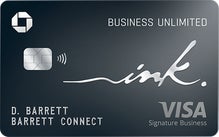
on Chase's secure site
See Rates & FeesIntro offer
Earn $750 bonus cash back
Rewards Rate
1.5%
Annual fee
$0
Regular APR
16.74% - 24.74% Variable
Why you'll like this: Its exceptional welcome offer and low cost make it a great starter option if you’re new to building business credit.
Reward Details
What you should know
Card Details
Best for office expenses
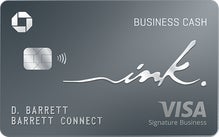
on Chase's secure site
See Rates & FeesIntro offer
Earn $750 bonus cash back
Rewards Rate
1% - 5%
Annual fee
$0
Regular APR
16.74% - 24.74% Variable
Why you'll like this: It has a great welcome offer and earns big on office supplies and internet purchases.
Reward Details
What you should know
Card Details
Best for travel perks

on Capital One's secure site
See Rates & FeesIntro offer
Earn 150,000 bonus miles
Rewards Rate
2X miles - 10X miles
Annual fee
$395
Regular APR
25.74% (Variable)
Why you'll like this: This card includes practical, valuable travel perks at a reasonable cost.
Reward Details
What you should know
Card Details
Best offer ever
Earn 200,000 bonus points

on Chase's secure site
See Rates & FeesIntro offer
Earn 200,000 bonus points
Rewards Rate
1x - 8x
Annual fee
$795
Regular APR
Flex for Business Variable APR: 17.74% - 28.49%
Why you'll like this: It can offer frequent travelers extraordinary value with its many perks and credits.
Reward Details
What you should know
Card Details
Best for luxury travel perks
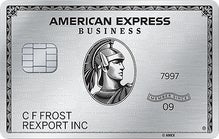
on American Express's secure site
See Rates & Fees, Terms ApplyIntro offer
As High As 300,000 points. Find Out Your Offer.
Rewards Rate
1X - 5X
Annual fee
$895
Regular APR
17.99% - 28.74% Variable
Why you'll like this: Its best-in-class perks, generous rewards rate on common business purchases and valuable welcome offer set it apart.
Reward Details
What you should know
Card Details

on Capital One's secure site
See Rates & FeesIntro offer
Earn 100,000 Miles
Rewards Rate
2X miles - 5X miles
Annual fee
$95
Regular APR
24.49% (Variable)
Why you'll like this: Its straightforward miles earnings and low-end fees are a winner in the business category.
Reward Details
What you should know
Card Details
Best for cash back on business purchases
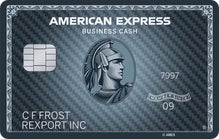
on American Express's secure site
See Rates & Fees, Terms ApplyIntro offer
Earn $1,500 Cash Back in the form of Reward Dollars
Rewards Rate
2% - 5%
Annual fee
$295
Regular APR
17.99% - 28.74% Variable
Why you'll like this: It's not beholden to only earning solid rewards on business-specific purchases.
Reward Details
What you should know
Card Details

Intro offer
Get a $1,000 Ramp card upon approval
Rewards Rate
Up to 1.5%
Annual fee
$0
Regular APR
N/A
Why you'll like this: You can set it and forget it when it comes to expense management with its automated tools and AI-driven features.
Reward Details
What you should know
Card Details
Best for category flexibility
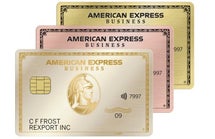
on American Express's secure site
See Rates & Fees, Terms ApplyIntro offer
As High As 200,000 points. Find Out Your Offer.
Rewards Rate
1X - 4X
Annual fee
$375
Regular APR
17.99% - 28.74% Variable
Why you'll like this: It has a high-value welcome offer and great airline transfer partners.
Reward Details
What you should know
Card Details
Best for international business travel

Intro offer
Limited-time online offer: 70,000 bonus points + a $99 Companion Fare
Rewards Rate
1 point - 3 points
Annual fee
$70 for the company and $25 per card
Regular APR
19.49% - 27.49% Variable APR on purchases and balance transfers
Why you'll like this: You can earn and redeem rewards worldwide thanks to the robust oneworld® Alliance travel partners.
Reward Details
What you should know
Card Details
Best for annual cash bonus

on Capital One's secure site
See Rates & FeesIntro offer
Earn $2,000 cash back
Rewards Rate
2% - 5%
Annual fee
$150
Regular APR
25.74% (Variable)
Why you'll like this: You’ll earn a great rewards rate on every purchase without worrying about tracking spending categories.
Reward Details
What you should know
Card Details
Best for affordable Delta airlines loyalty
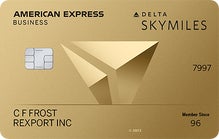
on American Express's secure site
See Rates & Fees, Terms ApplyIntro offer
Earn 90,000 Bonus Miles
Rewards Rate
1X - 2X
Annual fee
$0 introductory annual fee for the first year, then $150
Regular APR
19.74% - 28.74% Variable
Why you'll like this: This business credit card is a cost-effective option that offers enough travel credits to offset the annual fee.
Reward Details
What you should know
Card Details

on Capital One's secure site
See Rates & FeesIntro offer
Earn $1,000 cash back
Rewards Rate
2% - 5%
Annual fee
$0 intro for first year; $95 after that
Regular APR
24.49% (Variable)
Why you'll like this: Its flat rewards rate makes earning cash back a breeze, so it’s a great starting point if you’re new to rewards cards.
Reward Details
What you should know
Card Details
Best for flat-rate cash back
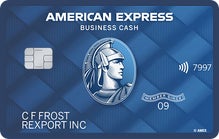
on American Express's secure site
See Rates & Fees, Terms ApplyIntro offer
$250 statement credit
Rewards Rate
1% - 2%
Annual fee
No annual fee
APR
16.99% - 28.74% Variable
Why you'll like this: It charges no annual fee and comes with an intro APR offer on purchases — a rarity on business cards.
Reward Details
What you should know
Card Details

Remove a card to add another to compare
Remove a card to add another to compare
Compare Bankrate’s top small-business credit cards
| Rewards highlights | |||
|---|---|---|---|
| $0 | 4.2 Hover to learn more Best for large welcome offer | |
| $0 | 4.3 Hover to learn more Best for office expenses | |
| $395 | 4.9 Hover to learn more Best for travel perks | |
Best offer ever More information about this limited time offer |
| $795 | 4.9 Hover to learn more Best for credits |
| $895 | 3.8 Hover to learn more Best for luxury travel perks | |
| $95 | 4.0 Hover to learn more Best for easy travel earnings | |
| $295 | 3.8 Hover to learn more Best for cash back on business purchases | |
Apply now on Ramp's secure site |
| $0 | 4.3 Hover to learn more Best for expense management |


Determine your preferred category
Browse different categories, then decide which type of credit card is best for you: cash back, travel, balance transfer or no annual fee.
Find your match
Check out our best credit cards lists or provide some basic info to get personalized partner card matches through the CardMatch™ tool.
Choose to apply
Click through to the issuer’s direct site to apply for a new account and start earning rewards or building up credit.
Can I get a business credit card?
Good news! If you run a small business, you can get a business credit card.
You may also be surprised by what counts as a business. You don’t need to work in a traditional office building, own a store or warehouse, run a profitable business or even have a separate business entity to qualify for a business credit card. Sole proprietors can qualify for business credit cards using their Social Security number (SSN) as their business identification, although you can also use an employer identification number (EIN). In fact, 99.9% of all businesses (36.2 million) in the United States are small businesses, according to a February 2026 report by the Small Business Administration. These include:
- Retail and sales
- Food and hospitality
- Client services
- Trades and labor
- Tech and online services
As long as you meet the issuer’s criteria for approval based on your personal credit history, you can qualify for a business credit card, regardless of your industry and even if you’re just starting a new business. Even if your small business consists of just you as a sole proprietor, there's a good chance you can find a business credit card that fits your needs.
What do I need to apply for a business card?
You'll need to provide issuers with some personal and business information to apply for a business card, including:
-
Business name and contact information: Contact information would include the business address and contact phone number. This information may be the same as your personal information.
-
Your position in the company: Issuers need to know who is responsible for paying the bill and who is authorized to make charges. Sole proprietors can refer to themselves as “owners” of their business.
-
Your personal information: You’ll need to provide your SSN and date of birth so the issuer can check your personal credit score. This information helps issuers determine your creditworthiness before offering you business credit. You also give issuers a personal guarantee that you'll assume responsibility for debt if the company ceases to exist.
-
Business income and spending projections: If your business is just starting or isn’t yet profitable, reporting $0 is acceptable. Projecting how much you might spend can help secure a higher credit line if needed.
-
Business details: You might need to describe your industry or the service your business provides, how long you’ve been operating the business or how many employees you have. Sole proprietors can be listed as the only employee for their business. Some issuers may also require further proof of your business, such as an EIN or tax ID number.
How to choose a business credit card
Your next step is choosing the right business card based on your needs and goals. Keep these factors in mind:
-
Find spending categories to match your business needs
The best business card for you will be the one that earns rewards where your business spends most. A good rule of thumb is that you want the business card to cover at least two of your main spending categories.
Along with popular categories like dining and travel, business cards typically earn rewards on expenses like shipping, advertising, office supplies, telecommunications, construction materials and in many other categories not covered by personal cards.
If your business expenses span several categories or you’d rather keep things simple, choose a business card with a flat rewards rate. Be sure to pay attention to any quarterly or annual rewards rate caps — many cards drop your rate to just 1% after you've reached a certain spending threshold.
-
Assess the card’s ongoing value
The best card for your business is the one that gives you consistent value. Whether it's high rewards rates, statement credits or travel perks, you should always ensure you're getting enough value from your card to make any annual fees worth it.
You may decide you're unlikely to use many of a card's perks or you wouldn't earn enough in rewards to offset the fee. You might also find that you could earn substantially more rewards and benefits with a premium card than you would with a no-annual-fee card.
-
Find a competitive welcome offer
An easy way to get outstanding initial value from your card is with a competitive welcome offer. Whether it’s a plentiful boost of cash back, points or miles or an intro APR to help your business finance expenses, the welcome offer is one of the most valuable features of the best business credit cards.
Since you can only get a welcome bonus once with a new card, we recommend extracting as much value as possible. Look for limited-time offers that give you a chance at especially high-value bonuses. You can also time your application for when you have upcoming purchases to quickly meet the minimum spending requirement. Just make sure you can meet the requirement in the specified timeframe and pay off your charges in full.
Many business owners find that smart credit card usage makes it easier for them to file taxes. By separating their business and personal expenses, it's easier to find eligible deductions and stay organized. Some business credit cards make it even easier by integrating directly with the business' accounting software.Ted Rossman, Former Bankrate Expert Contributor and senior industry analyst
Pros and cons of a business credit card
Pros
-
Small business credit cards earn either cash back or travel points on common business expenses, such as office supplies, internet bills or dining expenses.
-
The best business cards often also come with free employee cards, allowing easy spending and monitoring access for everyone in your business.
-
You’ll likely find business cards that offer solid travel perks like airport lounge access.
Cons
-
Most small business cards come with higher annual fees.
-
Some are charge cards, which means they do not allow you to carry a balance — likely proving tricky for start-up companies.
-
Sole proprietors may not be eligible to apply for some business cards.
Can I use a personal credit card for my business?
While it’s not illegal to use a personal credit card for your business, it’s never a good idea to mix finances. You want to have a clear demarcation between business and personal spending, because it could become difficult to separate finances and there could also be tax implications.
Business credit cards offer rewards on business spending and business-specific perks like credits for expense management software. Personal cards focus more on rewarding everyday spending and offer perks designed to enhance your everyday life.
Here are some common features of business and personal credit cards to help you decide if a business card is right for you.
| Personal cards |
|
| Business cards |
|
A business credit score applies to business entities rather than individuals and can range from 1 to 100, depending on the credit bureau.
Major issuers will report your activity to commercial credit bureaus, such as Dun & Bradstreet. Not all issuers report business activity, though, so it’s worth checking your business credit report if that is an important factor for you.
How do business credit cards impact business taxes?

For solopreneurs and entrepreneurs, business credit card expenses can be tax-deductible if they’re ordinary and necessary, meaning common in your industry and directly related to your legitimate business. This can include annual fees, interest, and certain service charges. Note: a credit card statement isn’t a substitute for solid bookkeeping, and those rewards and perks only pay off if they save you more than they cost at tax time.

While business credit cards often carry higher fees than personal cards, many of those costs, ranging from annual fees to interest and transaction charges, may be tax deductible when tied to legitimate business use. It's a good practice to verify eligible deductions with a qualified tax professional, though.

Using a business credit card can help organize expenses and make it easier to identify deductible items. It's generally suggested that small business owners, including those who own rental properties, have a separate credit card that they use exclusively for work purposes. That way, when tax filing time comes around there is one credit card report they need to look at to determine their expenses. With so many things to keep track of, simplifying your use of credit cards to one for personal and one for business can make your life easier.
Frequently asked questions about business credit cards
*The information about the Bank of America® Business Advantage Unlimited Cash Rewards Secured Business Credit Card and Brex Card has been collected independently by Bankrate. The card details have not been reviewed or approved by the card issuer.
Next steps in your credit card journey
Best 0% intro APR business credit cards
Looking for a business card with a little breathing room? Check out these options.
Business credit cards vs. personal credit cards
Decide which option is best for your small business or side hustle.
How does my business credit card impact my personal credit score?
You may be surprised to learn the answer.
How to get a business credit card with an EIN only
Some issuers accept EIN-only applications, but limitations may apply.
Meet the Bankrate Experts

- NACCC Certified Credit Counselor (2025)
- Credit cards
- Loans

How we choose the best business credit cards
We select cards for the “Best business credit cards” page based primarily on how they score in our proprietary card rating system, our editors’ subjective assessment of card quality, card approval odds and credit requirements and unique card features.
Cards typically must score a minimum of 3.0 stars to be included on this list. However, we may include cards with scores below 3.0 if they have low credit requirements or unique features — despite their scores, these cards may still be among the “best” in certain categories. Card ratings are not influenced by advertisers or issuer relationships in any way.
Card selection and ordering may also vary based on business considerations, including Bankrate visitor interest, site interactions and card application volume. Affiliate commissions (see how we make money), limited-time offers and a card’s general popularity in the product landscape may also influence which cards we feature on our pages and the order in which they appear. Bankrate’s editorial and business teams also strive to feature a variety of card types from various issuers.
When evaluating the best business cards, we consider a mix of factors, including how cards score in our proprietary card rating system and which cards offer features that fit the priorities of a diverse group of small-business owners, from earning rewards in popular business spending categories or receiving cash back to getting payment flexibility or high-value perks. Whenever possible, we also feature cards that are available at various credit levels and price points.
Here’s a look at how our rating methodology breaks down for business credit cards:
-
Value 40%
-
Flexibility 20%
-
Perks 20%
-
Customer experience 20%