Bankrate Research
The Hidden Homeownership Tax
How mortgage overpayment is making housing and retirement less affordable
Bankrate News & Research
Media inquiriesHow mortgage overpayment is making housing and retirement less affordable
By Andrew Pentis18 min read
By Natalie Todoroff6 min read
By Katie Kelton, CCC6 min read
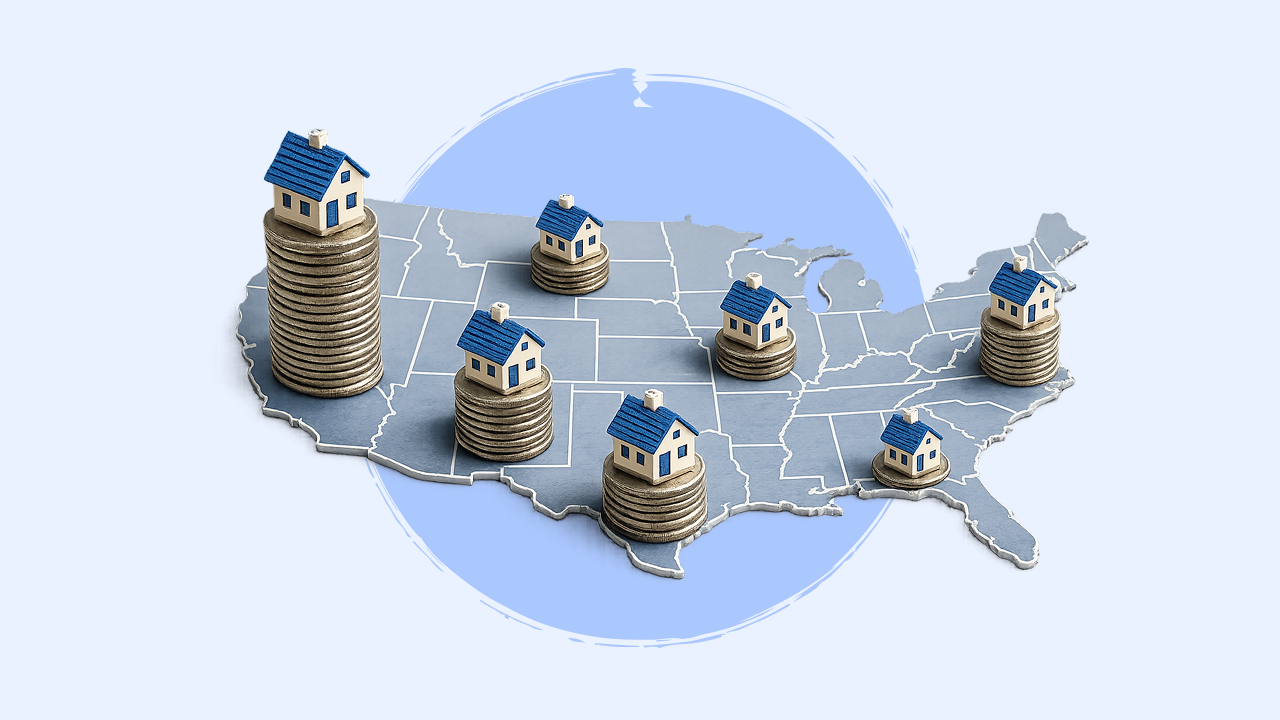
By Alex Gailey8 min read
Share of borrowers overpaying on their mortgage, by state — based on Bankrate HMDA analysis.
National average
87.0%
overpay rate
Highest
PA
90.2% overpay rate
Lowest overpay rate
Iowa — 83.1%
$1.9k average annual overpayment
Real stories from the front lines of homebuying — what buyers are learning, and what it means for you.
Bankrate’s editorial team exists for one reason: To give you the information the consumer finance industry would rather keep complicated. Every story we publish is built on that premise.
Investigations active
Industry insiders interviewed
Real Americans who shared their story
Every claim ties to reporting and research that follows the highest journalistic standards.
The data and methodology behind every report are public.
Our findings are designed to help you make better decisions, not just understand the problem.
Their expertise is in consumer finance. Their loyalty is to you.
Meet our journalists