Guide to chip and PIN credit cards


Key takeaways
- Chip and PIN credit cards have a unique code for each purchase, making it difficult for thieves to use stolen information.
- These cards are generally considered safer than magnetic stripe cards and have added fraud protection.
- With some research, consumers can find a chip and PIN credit card that offers both security and rewards.
Paying for purchases with a rewards credit card has always been convenient, but you may have noticed some substantial changes in how your card is processed over the years.
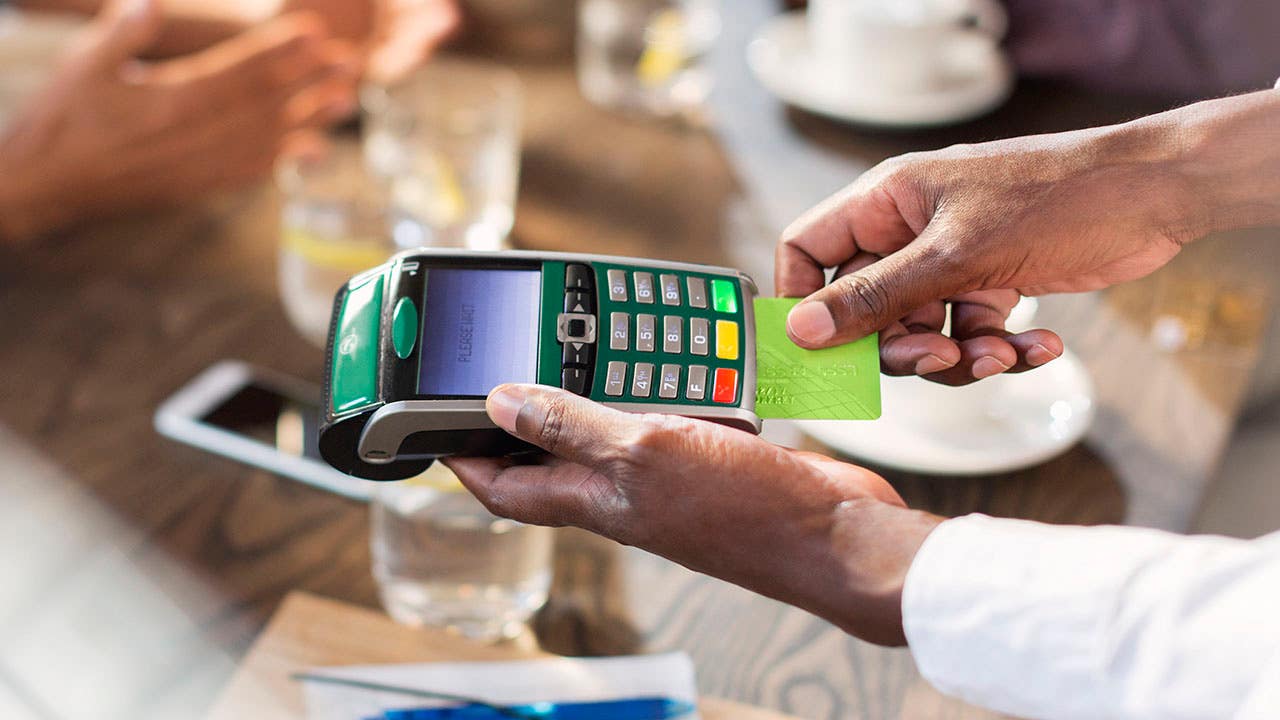
For example, where we once “swiped” our credit cards in a payment terminal to make a payment, we are now asked to insert our credit card — or “dip” our card — instead. And even more on the rise is the “tap to pay” feature, which involves holding your card next to the terminal so your card information can be accurately read.
In any case, the main driving force behind these changes is security technology, including the introduction of chip and PIN credit cards. This guide explains everything you need to know about chip and PIN credit cards, how they work and why you may want to begin using them.
How do chip and PIN cards work?
Chip and PIN cards are named after three major credit card networks across the world — Europay, Mastercard and Visa (EMV) — and were introduced throughout Europe in the 1990s. Today, although most credit cards come with EMV chip technology, cards that use a PIN still remain more popular in European countries than in the U.S.
Chip and PIN cards were developed as a way to reduce point-of-sale credit card number theft and skimming cybercrimes. As of October 2015, all U.S. merchants were mandated to accept EMV cards or face potential liability for any credit card fraud originating at their establishment.
So how do chip and PIN credit cards work, exactly? Instead of using the magnetic stripe on the side, chip and PIN credit cards have a small metallic chip on the front that holds your payment data. This metallic chip is designed to reduce fraud, and it does so by providing a unique code for each purchase you make. Because the security code is unique for every purchase, it’s significantly more difficult for a thief to use your card for the purpose of fraud.
What is a credit card PIN?
A credit card PIN — also known as your personal identification number — is a four-digit code you can use to verify you are the person making a purchase with your chip and PIN credit card. You can pick your own PIN when you sign up for a chip and PIN credit card, and you can also change your PIN at any time.
With a unique PIN that nobody but you knows, your transactions should be even less susceptible to fraud. After all, it’s fairly easy to forge a signature and walk away with merchandise at a payment terminal, yet hackers and thieves will have a more difficult time guessing a four-digit code. Note that your chip credit card might not automatically come with a PIN.
Can I get a PIN for my current credit card?
Most credit cards with chip technology issued in the U.S. are considered “chip and signature” cards. This type of credit card comes with the added fraud protection of chip technology, yet you’ll be asked to provide a signature instead of a PIN when you use your card for purchases.
Some credit card issuers offer PIN capacity as well, meaning you can add a PIN to your card that doesn’t already have one. But if you want this added layer of protection, it’s up to you to call your card issuer to inquire.
Are chip and PIN credit cards safe?
Chip and PIN credit cards are significantly safer to use than their outdated magnetic stripe counterparts. This is due to the unique, encrypted code that is generated each time you initiate a transaction. This code allows your actual credit card number to remain concealed and makes any data derived from thieves during a transaction absolutely useless.
However, consumers should keep in mind that credit card transactions are already “safe” in terms of their liability. The Fair Credit Billing Act (FCBA) sets a limit of $50 in total liability for fraudulent credit card transactions made with your card. On top of that, the majority of credit cards have zero-fraud liability policies that ensure you won’t pay a dime for purchases you didn’t make, as long as you dispute these charges within 60 days of the incident.
If someone uses your credit card or card number for fraudulent purchases, all you have to do is call your card issuer and report the fraud. From there, the fraudulent transactions are wiped from your account, and your issuer will take over the investigation from there. Additionally, you’ll be sent a new physical credit card, as well as a new account number to use.
Best credit cards with chip and PIN security
If you like the idea of having the best credit card security features out there, it’s smart to take a closer look at credit cards that have chip and PIN technology. Here are Bankrate’s top chip and PIN credit cards:

Chase Freedom Unlimited®

Blue Cash Everyday® Card from American Express
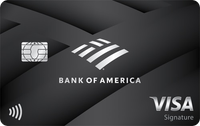
Bank of America® Premium Rewards® credit card
The bottom line
Chip and PIN technology may be fairly new in the world of credit cards, but it is definitely here to stay. However, you should take the time to compare the top chip-and-pin and chip-and-signature rewards credit cards since their benefits can vary. With some research, you can wind up with a credit card that has the best security features and the rewards and perks you want the most.
The Bank of America content in this post was last updated on May 6, 2025.
Why we ask for feedback Your feedback helps us improve our content and services. It takes less than a minute to complete.
Your responses are anonymous and will only be used for improving our website.