Banking
From savings account details to bank reviews, economic insights and more — Bankrate offers valuable information and advice for you.
Explore banking basics

How to open a certificate of deposit (CD)
Banking
Everything you need to know about opening an account.

How to start saving (even if you’re starting from scratch)
Banking
Getting into the habit of paying yourself first is hard. Here are some ideas to help you start.

How to transfer money from one bank to another: 4 ways
Banking
Keep fees in check when you shift money from one bank account to another.
Find more resources
Editor's picks

Banking data studies

A majority (81%) of Americans did not increase their emergency savings this year

Over 1 in 4 workers are more worried about job security since 2025 began.

Two-thirds of American savers say they’re earning rates below 4% APY. Here’s why.
Featured by names you know and trust






Latest articles

If you’re looking to save with a credit union, here are the top rates available.

Get the latest rates on top-yielding money market accounts.
Comparing savings rates can ensure you get the best return on your savings.
Here’s why you should avoid being underbanked and how to ensure that you aren’t.

Check out the latest CD rates from Bankrate’s weekly survey of banks and thrifts.

Take a look at the days when CDs were offering investors double-digit returns.

These are the 10 largest credit unions in the United States based on assets.

The best bank and credit union for you will depend on your banking needs, but in general, the best banks offer accounts with low or no minimum balance requirements and don’t charge monthly fees — or [...]
Comparing savings rates can ensure you get the best return on your savings.

High-yield savings rates fluctuate over time. Let’s explore what causes that.

The top high-yield savings accounts are currently earning APYs of 5 percent and greater.

Savers can stash their cash in a brokerage these days to rack up returns.

Interest is the price you pay to borrow money or the cost you charge to lend money.

Setting aside pretax dollars in an HSA can help you defray future medical costs.

How Reg. D impacts your savings account and why it pays to check with your bank.
Here’s how much $10,000 in a high-yield savings account can earn you.
Check out the latest CD rates from Bankrate’s weekly survey of banks and thrifts.
Take a look at the days when CDs were offering investors double-digit returns.

Sometimes paying an early withdrawal penalty on a CD isn’t a bad idea.

The Federal Reserve left interest rates unchanged at its first meeting of 2026, keeping borrowing costs in a target range of 3.5-3.75%. This decision (supported by a 10-2 vote) pauses a streak of three [...]

CD terms can range from three months to five years. Learn which one is right for you.

Find out what happens to CDs that are set to mature.

Here are differences between CDs and share certificates, and which one to choose.

Everything you need to know about opening an account.
Get the latest rates on top-yielding money market accounts.
How Reg. D impacts your savings account and why it pays to check with your bank.
CD terms can range from three months to five years. Learn which one is right for you.
Expect yields to continue trending downward in 2026.

These credit unions offer great rates and top-notch features — and many make it easy to join.

These accounts sound similar, but there are some key differences to know.

The best account to save your money will vary by your goal.
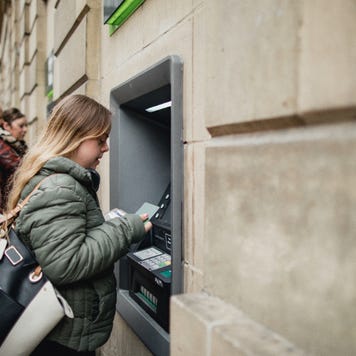
Our top 5 picks scored highly for access, range of products and digital options.
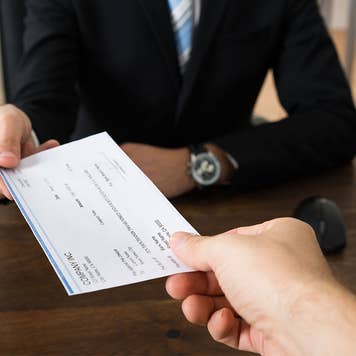
This old-school way of paying is still in demand. Here’s everything you need to know.
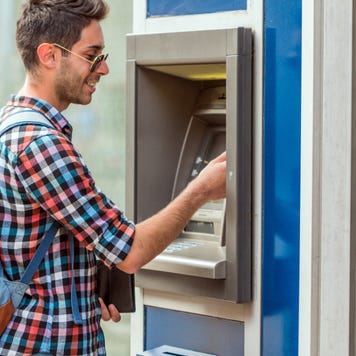
Over time, ATM fees have climbed. Here’s what you need to know.

Finding the account number on a check is easy — if you know where to look.
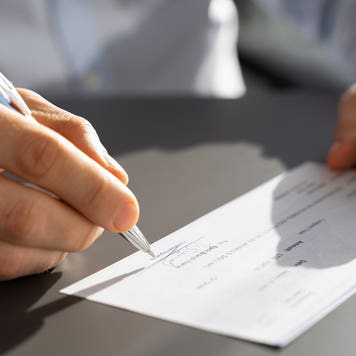
Checks aren’t as ubiquitous as they once were, but you may still have to write one.

Knowing your ATM withdrawal limits can make a sudden need for cash easier to handle.

Mobile apps make managing your money a snap and mobile alerts can help protect it.

Online bill pay can add convenience and security to managing your routine bills.

A bank may deny you a checking account. Here is what you can do next.