Credit Cards
Compare top offers by category. Read our expert reviews and recommendations. Feel confident when you apply.
Card Type
Card Issuer
Bankrate's promoted cards from our partners
Here are some of our most popular credit card offers this month. Whether you are interested in a lower interest rate, travel rewards, cash back or other perks, we can help you find the right credit card from our partners. The listings that appear on the website are from credit card companies from which Bankrate receives compensation. This compensation may impact how and where products appear on this site. Terms Apply.

Best for everyday spending
Hilton Honors American Express Surpass® Card
A FICO score/credit score is used to represent the creditworthiness of a person and may be one indicator to the credit type you are eligible for. However, credit score alone does not guarantee or imply approval for any financial product.
Our writers, editors and industry experts score credit cards based on a variety of factors including card features, bonus offers and independent research. Credit card issuers have no say or influence on how we rate cards.

BEST STARTER TRAVEL CARD
Chase Sapphire Preferred® Card
A FICO score/credit score is used to represent the creditworthiness of a person and may be one indicator to the credit type you are eligible for. However, credit score alone does not guarantee or imply approval for any financial product.
Our writers, editors and industry experts score credit cards based on a variety of factors including card features, bonus offers and independent research. Credit card issuers have no say or influence on how we rate cards.
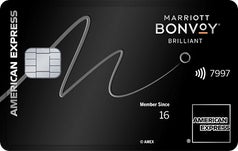
Best for luxury Marriott stays
Marriott Bonvoy Brilliant® American Express® Card
A FICO score/credit score is used to represent the creditworthiness of a person and may be one indicator to the credit type you are eligible for. However, credit score alone does not guarantee or imply approval for any financial product.
Our writers, editors and industry experts score credit cards based on a variety of factors including card features, bonus offers and independent research. Credit card issuers have no say or influence on how we rate cards.
Tools & Reviews

Featured by names you know and trust






The latest