How to sell your house in 2025: A step-by-step guide


Key takeaways
- The process of selling a house can take quite some time, so it’s important to plan ahead and stay organized.
- Start by setting a timeline to keep to and teaming with a local real estate agent who knows your market well.
- Be sure to take high-quality listing photos — buyers look at homes online first before deciding which to visit in person.
Most home sellers dream of a quick, stress-free process in which they list their house, get an offer, collect the cash and hand over the keys. If only it were that simple! In reality, selling a home involves many moving parts — some that you can control, and some that are out of your hands.
For example, in locations where competition is hot and inventory is low, you might be able to sell faster and command a higher price than in areas where home sales are more sluggish. In addition, today’s high mortgage rates are creating an extra layer of affordability challenges for buyers. While rates have backed off their 8 percent high from late 2023, they’re still close to 7 percent, straining a buyer’s purchasing power.
If you’re wondering how to sell your house amid 2025’s tricky market conditions, follow along with our step-by-step guide.
8 steps to selling a house
The housing market is uncertain right now, as is the economy as a whole. So, as a home seller, it’s smart to be prepared and take control of whatever factors you’re able to. Things like hiring a great real estate agent and maximizing your home’s online appeal can translate into a smoother sale — and more money in the bank. Here’s an eight-step guide for how to sell your house successfully.
- Set a timeline: Start prepping your home well before you plan to list.
- Hire an agent: An experienced agent who knows your local market can best position your home for buyers.
- Determine upgrades: Take on only projects that will be worth your while in terms of resale value.
- Set a realistic price: Your agent can help you find the sweet spot.
- List with pro photos: Buyers look at homes online first, so be sure yours has a solid digital presence.
- Review offers: Consider all factors, not just the highest dollar amount.
- Weigh closing costs: Keep track of how much you’ll need to pay at the closing table.
- Close: Hiring a real estate attorney can help ensure that all your paperwork is buttoned-up and ready to go.
1. Set a timeline for selling your home
Selling a house is a major undertaking that can take several months from start to finish — or much longer, depending on local market conditions. So it makes sense to plan ahead and stay organized.
At least two or three months before you plan to list, consider getting a pre-sale home inspection. This isn’t mandatory, but it can be useful, especially in an older home. For a few hundred dollars, you’ll get a detailed inspection report that identifies any major problems. This alerts you in advance to issues that buyers will likely flag when they do their own inspection later. By being a couple steps ahead, you might be able to speed up the selling process by doing needed repairs in tandem with other home-prep work.
Keep in mind: A pre-listing home inspection can alert you in advance to issues buyers will likely flag later.
About a month before listing your house, start working on top-to-bottom cleaning in preparation for taking listing photos. Keep clutter to a minimum, and consider moving excess items to a storage unit to show your home in its best light.
2. Hire an agent who knows the market
The internet makes it easy to see a real estate agent’s experience, helping you choose the right person to work with. Look up online profiles to learn how long an agent has been in the industry, how many sales they’ve closed and what professional designations they may have earned. Pay attention to how and where they market their listings, and how professional their listings look.
“Any designation they’ve earned is a huge plus, because it’s a sign they’ve taken the time to learn about a particular niche,” says Jorge Guerra, president and CEO of Real Estate Sales Force in Florida.
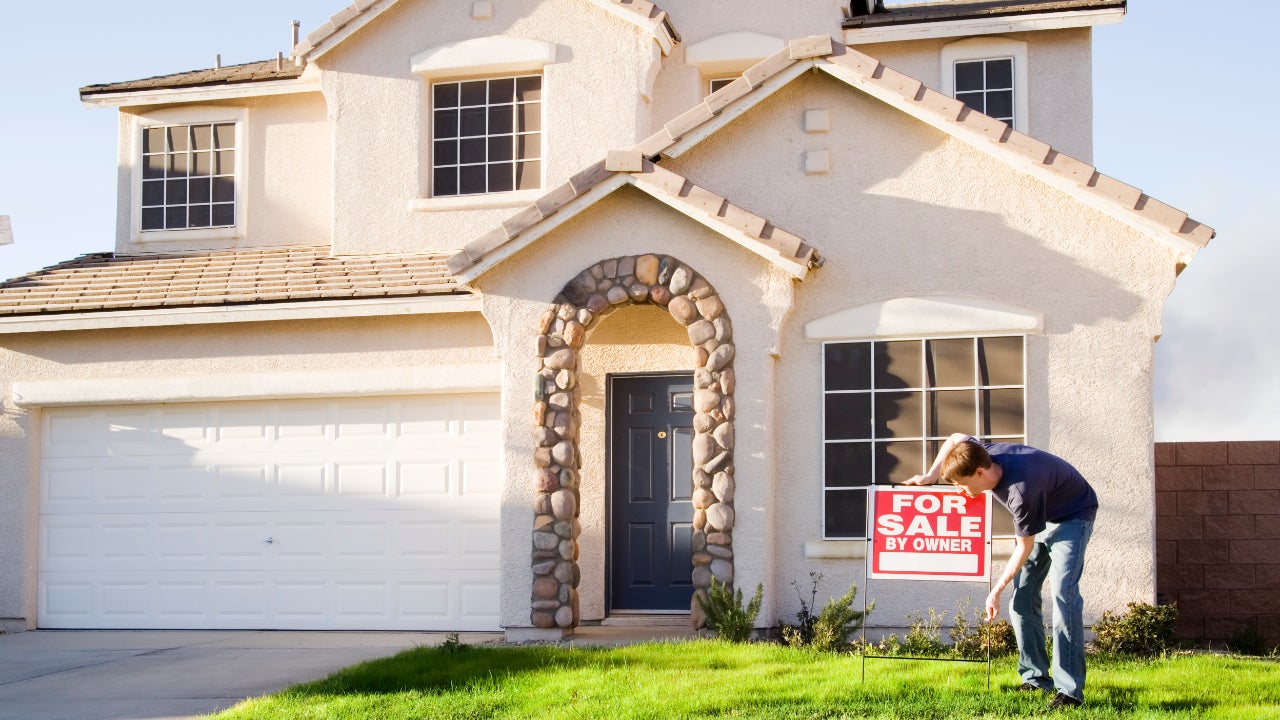
Some homeowners might be tempted to save on paying a commission and instead sell their home themselves, without an agent. This is known as “for sale by owner.” The amount sellers stand to save on that fee can be significant, usually 2.5 percent or 3 percent of the total sale price — on a $400,000 home sale, for example, 3 percent comes to $12,000.
Keep in mind: Real estate commissions are typically negotiable, and even a small discount can save you a lot of money.
However, a listing agent does a lot to earn their fee. For example, they can expose your house to the broadest audience and negotiate on your behalf to garner the best offers possible. If you go it alone, you’ll have to personally manage prepping your home, marketing it, reviewing buyers’ offers and handling all the negotiations and closing paperwork. It’s a big commitment.
When working with an agent, keep in mind too that real estate commissions are typically negotiable. As a result, you might be able to get a break at the closing table.
3. Determine what to upgrade — and what not to
Before you spend money on costly upgrades, be sure the changes you make will have a high return on investment. It doesn’t make sense to install new granite countertops, for example, if you only stand to break even on them, or even lose money. Plus, these improvements may not be necessary, particularly if inventory levels are low in your area. A good real estate agent will know what local buyers expect and can help you decide what needs doing and what doesn’t.
Keep in mind: A fresh coat of neutral paint and spruced-up landscaping are low-cost ways to make a great first impression.
Updates to the kitchen and bathrooms often provide the highest return on investment. But inexpensive DIY projects can also go a long way: A fresh coat of neutral paint and spruced-up landscaping are low-cost ways to make a great first impression.
4. Set a realistic price
No buyer wants to pay more than they have to, so it’s crucial to get the pricing right. Going too high can backfire, while underestimating a home’s value might leave money on the table. To price your home perfectly from the start, consult local real estate comps. This information about recently sold properties in your area gives you an idea of what comparable homes around you are selling for, thus helping you decide how much you might reasonably ask.
Keep in mind: Homes that are priced too high — or too low — may turn off potential buyers.
“A frequent mistake sellers make is pricing a home too high and then lowering it periodically,” says Grant Lopez, a Realtor at Keller Williams Heritage in Texas and the former chairman of the San Antonio Board of Realtors. “Some sellers think this practice will yield the highest return. But in reality, the opposite is often true: Homes that are priced too high will turn off potential buyers, who may not even consider looking at the property.”
In addition, homes with multiple price reductions may give buyers the impression there’s something wrong with it. So it’s best to price your home to attract the widest pool of buyers from the start.
5. Include top-quality listing photos
This step will likely involve your agent hiring a professional photographer. With the ubiquity of online house-hunting these days, high-quality listing photos are critical. A pro photographer knows how to make rooms appear as attractive as possible, and the same goes for the property’s exterior and outdoor areas. Here are some tips to get your home market-ready:
Keep in mind: You’ve probably heard of curb appeal, but pros say online appeal is even more important.
- Focus on online appeal: You’ve probably heard of curb appeal, but professionals say online appeal is now even more important. “Your home’s first showing is online,” Guerra says. In fact, 100 percent of homebuyers use the internet to search for a home, according to the National Association of Realtors, and 43 percent said looking at listings online was the very first step they took. “The quality of your web presentation will determine whether someone calls and makes an appointment or clicks on the next listing,” Guerra says.
- Stage it and keep it clean: Staging a home entails removing excess furniture, personal belongings and unsightly items and arranging rooms for optimal flow and purpose. If you’re in a slower market or selling a luxury home, investing in a professional stager could help you stand out. Prices will vary depending on your location and how much work needs to be done.
- Clear out for showings: Make yourself scarce when potential buyers come to view your home. Let them imagine themselves in the space, free from distraction: “Seeing the current homeowner lurking can cause buyers to be hesitant to express their opinions,” says Lopez. “It could keep them from really considering your home as an option.” Typically, your agent will be the one present at showings.
6. Review and negotiate offers
Once buyers have seen your home, you’ll ideally get a few offers. If your local market favors sellers, buyers will likely offer close to asking price, or possibly even above. On the other hand, if sales are slow in your area, you may have to be open to negotiating. Let your agent guide the way.
When you do receive an offer, you can either accept it, reject it or make a counter-offer, in which you negotiate on terms and/or price. Counter-offers should be made in writing and provide a short time frame (ideally 48 hours or less) for the buyer to respond.
Keep in mind: You might be tempted to simply go with the highest bid, but look closely at other aspects of the offer, too.
If you’re lucky enough to get multiple offers, you might be tempted to simply go with the highest bid. But look closely at other aspects of the offer, too, such as:
- Form of payment (cash versus financing)
- Type of financing
- Down payment amount
- Contingencies
- Concession requests
- Proposed closing date
Be mindful that if a buyer is relying on lender financing, the property will have to be appraised. If there’s any shortfall between the purchase price and appraised value, that gap will have to be made up somehow, or the deal could fall apart.
7. Weigh closing costs and tax implications
In any real estate transaction, both parties must pay at least some closing costs. Assuming you are using a real estate agent, your agent will earn a commission on the sale. This will typically come to somewhere between 2.5 and 3 percent of the final sale price: On a $400,000 home, 3 percent comes to $12,000. Some sellers will also agree to pay their buyer’s agent’s commission, although it’s not necessarily required; be sure your purchase and sale agreement clearly states who is paying for what.
Keep in mind: Your real estate agent or the closing agent should provide you with a complete list of costs you’ll be responsible for at the closing table.
Some other closing costs commonly paid by the seller include transfer taxes and title fees. Additionally, if the home still has a mortgage on it, you’ll have to pay that off in full (typically out of your sale proceeds). Your real estate agent or the closing agent should provide you with a complete list of costs you’ll be responsible for at the closing table.
The good news is that you may not owe the IRS taxes on your profits from the sale. If you’ve owned and lived in your home for at least two out of the previous five years before selling it, you will not have to pay taxes on any profit up to $250,000. For married couples filing jointly, the amount increases to $500,000. If your profit from the home sale is greater than that, though, you’ll need to report it to the IRS as a capital gain.
8. Gather paperwork and close
Lots of paperwork is needed to properly document a home sale, so keeping it organized and accessible will help things go more smoothly. Your agent can help you make sure you’ve got everything that’s required.
In addition, an attorney can make sure paperwork is filled out correctly, confirm that all required disclosures are provided, review contracts and documents, identify potential issues and more. Some states require sellers to have a real estate attorney to close on a home sale, but many don’t. Regardless of your state’s laws, the expense is likely worth it to protect such a large financial transaction.
Keep in mind: The expense of paying a real estate attorney’s legal fees is likely worth it to protect such a large financial transaction.
Some of the main documents you’ll need to compile include:
- Original purchase contract
- Property survey, certificate of occupancy and certificates of compliance with local codes
- Mortgage documents
- Tax records
- Appraisal from your home purchase
- Homeowners insurance
- Home inspection report, if you had one
- Seller’s disclosure statement
Finally, bring all that paperwork — plus payment of any fees and the keys to give the new owners — to the closing. Once everything is signed and handed over, your house is sold!
FAQs
Why we ask for feedback Your feedback helps us improve our content and services. It takes less than a minute to complete.
Your responses are anonymous and will only be used for improving our website.