Debit Cards
Debit and prepaid debit cards provide convenient and secure payment options for consumers, allowing easy access to funds without the risk of accruing debt.
Explore debit card basics

Debit cards can offer additional perks to help you save more of your money.

Knowing your limit before making a purchase can help you make smarter decisions.
Use your debit card wisely
Checking
Daily ATM withdrawal limits
It's important to know how much you can withdraw from your bank's ATMs in a given day to help you better handle financial emergencies that require cash.
Checking
Available account balance vs. current balance
Understand the differences between the two balances you may see when looking at your bank account.
BANKING
Checking account and ATM fee study
Maintaining a checking account with a debit card can come at a high cost. Learn how rising ATM fees and other banking fees are impacting consumers.
Learn more






- Introduction to Checking Accounts
Spend money, pay bills, write checks or make fund transfers with a checking account.
Check out the 13 different types of checking accounts.
Finding the account of your dreams comes down to knowing what you want and the features you value most.
Here are simple steps to take to avoid paying checking account fees.
Checks aren’t as ubiquitous as they once were, but you may still have to write one.
There are several ways to deposit a check — some are simpler than others.
Setting up direct deposit is typically easy and can save you a lot of time. Here’s how.

Latest articles
Depositing a check using a smartphone is easy and can save you a trip to the bank.

The rule provides a framework for settling unauthorized debit-card transactions.

Debit cards are inherently less secure than credit cards, especially at these spots.

Credit and debit cards are both popular payment methods, but with different purposes.
Prepaid cards can be used to make purchases, but you only have access to preloaded money.

Ever heard of a neobank? If not, here’s what you need to know.

Stop wasting time writing checks. Learn the faster, safer way to pay.
Most rental car companies make you take extra steps to rent with a debit card.
This old-school way of paying is still in demand. Here’s everything you need to know.
Over time, ATM fees have climbed. Here’s what you need to know.
Finding the account number on a check is easy — if you know where to look.
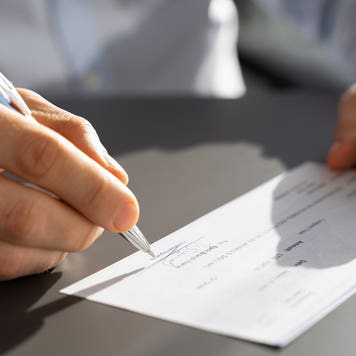
Checks aren’t as ubiquitous as they once were, but you may still have to write one.

Knowing your ATM withdrawal limits can make a sudden need for cash easier to handle.
Mobile apps make managing your money a snap and mobile alerts can help protect it.

Online bill pay can add convenience and security to managing your routine bills.

A bank may deny you a checking account. Here is what you can do next.
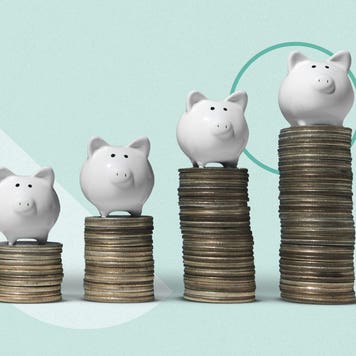
If you’re looking to save with a credit union, here are the top rates available.

Get the latest rates on top-yielding money market accounts.
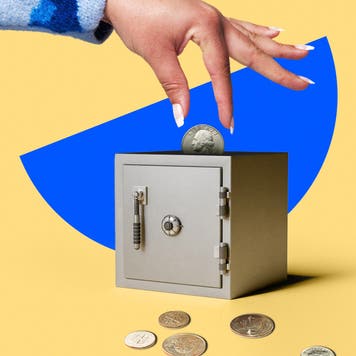
Comparing savings rates can ensure you get the best return on your savings.
Here’s why you should avoid being underbanked and how to ensure that you aren’t.

Check out the latest CD rates from Bankrate’s weekly survey of banks and thrifts.
Take a look at the days when CDs were offering investors double-digit returns.

These are the 10 largest credit unions in the United States based on assets.

The best bank and credit union for you will depend on your banking needs, but in general, the best banks offer accounts with low or no minimum balance requirements and don’t charge monthly fees — or [...]
The trusted provider of accurate rates and financial information