SubscribeTuesday Feb. 9, 2010Posted 2 p.m. ESTThe Federal Open Market Committee is still pledging to keep interest rates at exceptionally low levels for an extended period, but focusing in the meantime on removing excess liquidity. Unwinding liquidity programs put into place during the worst of the credit crunch will be a prelude to an eventual interest rate hike -- which still appears many months away.And when rates do rise, it appears we'll be watching and referring to a different rate. Instead of the federal funds rate -- the target rate for what banks pay to borrow from each other overnight -- the Fed now has the ability to pay interest on the reserves banks hold at the Fed. This appears to be the new metric the Fed will use to raise interest rates.Why the switch? A couple of points jump out.The interest rate paid on Federal Reserve balances is one that will be under the direct control of the FOMC, rather than just setting a target as is the case with the federal funds rate. Actual federal funds rates can fluctuate and differ from the target rate depending on the supply and demand for funds, a likelihood that increases in times of market turmoil or with excess supply of money in the system as is currently the case.By increasing the rate paid on reserve balances, the Fed can make it more attractive for banks to keep money on deposit and earn a risk-free rate of return than to lend it out to borrowers. The thought is that this will prevent too much Fed-created money from making its way into circulation.But because the Fed is so often reactionary, rather than anticipatory, there is a valid concern that by the time they're comfortable boosting interest rates too much of that money will indeed have made its way into circulation. Once again, the Fed would find itself behind the curve, this time having to chase down inflation.Read more Fed blogs. advertisementRelated Links:Inflation checkup and upcoming windfallsAnswering reader e-mailInterest rate review and previewRelated Articles:Mom raises the rentNo rate change imminentBig week for Fed
Tuesday Feb. 9, 2010Posted 2 p.m. EST
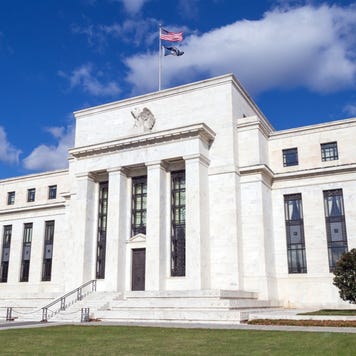
The Federal Open Market Committee is still pledging to keep interest rates at exceptionally low levels for an extended period, but focusing in the meantime on removing excess liquidity. Unwinding liquidity programs put into place during the worst of the credit crunch will be a prelude to an eventual interest rate hike -- which still appears many months away.
And when rates do rise, it appears we'll be watching and referring to a different rate. Instead of the federal funds rate -- the target rate for what banks pay to borrow from each other overnight -- the Fed now has the ability to pay interest on the reserves banks hold at the Fed. This appears to be the new metric the Fed will use to raise interest rates.
Why the switch? A couple of points jump out.
The interest rate paid on Federal Reserve balances is one that will be under the direct control of the FOMC, rather than just setting a target as is the case with the federal funds rate. Actual federal funds rates can fluctuate and differ from the target rate depending on the supply and demand for funds, a likelihood that increases in times of market turmoil or with excess supply of money in the system as is currently the case.
By increasing the rate paid on reserve balances, the Fed can make it more attractive for banks to keep money on deposit and earn a risk-free rate of return than to lend it out to borrowers. The thought is that this will prevent too much Fed-created money from making its way into circulation.
But because the Fed is so often reactionary, rather than anticipatory, there is a valid concern that by the time they're comfortable boosting interest rates too much of that money will indeed have made its way into circulation. Once again, the Fed would find itself behind the curve, this time having to chase down inflation.
Read more Fed blogs.
Bankrate wants to hear from you and encourages thoughtful and constructive comments. We ask that you stay focused on the story topic, respect other people's opinions, and avoid profanity, offensive statements, illegal contents and advertisement posts. Comments are not reviewed before they are posted. Bankrate reserves the right (but is not obligated) to edit or delete your comments. Please avoid posting private or confidential information, and also keep in mind that anything you post may be disclosed, published, transmitted or reused.
By submitting a post, you agree to be bound by Bankrate's terms of use. Please refer to Bankrate's privacy policy for more information regarding Bankrate's privacy practices.