Bankate.com
 
News and AdviceCompare RatesCalculators
Glossary  |  Help  
 
 
- advertisement -
 
 
Know your Fed: A description of the Federal Reserve

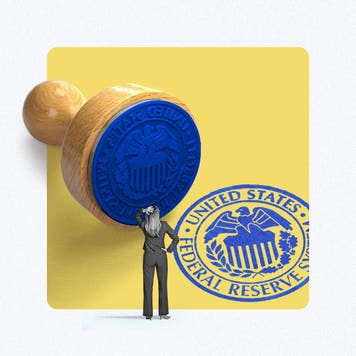
The Federal Reserve Board has the power to drive up borrower loan payments, cost savers thousands of dollars and send tens of thousands of Americans to the unemployment line. But just what exactly is it?

To help those who don't know the Federal Reserve Board from the "American Idol" judges, we've whipped up a primer that can help.

"The power of the Fed represents the sum of conscious and not-so-conscious choices that the government and society have made about who's going to be in the driver's seat of economic policy, and over time, things have evolved such that the Fed has taken over the driver's seat," says Tom Schlesinger, executive director of the Financial Markets Center. The Philomont, Va., group studies and publishes articles about the Fed's structure and interest rate policies.

"Their ability to influence credit market conditions and the supply of money has enormous influence on the overall direction of the economy, over who gets a job or a pink slip and over who has success in their business or is looking at bankruptcy."

While it has become much more visible in recent years, the Fed has been a force in American economics for almost a century. Created by the Federal Reserve Act of 1913, the "Fed" is actually made up of a couple of different parts.

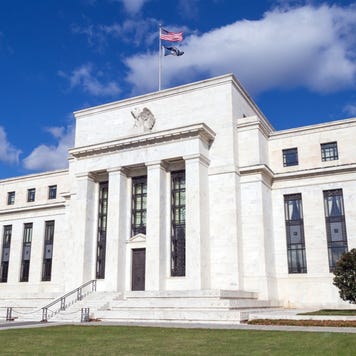
The first is the Federal Reserve Bank system. There are 12 regional Fed banks, which are quasi-independent institutions located in major U.S. cities. They do many things, such as supervise banks in their regions and distribute currency to them. Each Fed bank has a board of directors and a president.

The power brokers
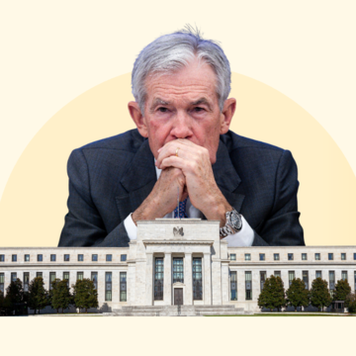
But unless you're fascinated by the intricate details of how a dollar makes its way from the Bureau of Engraving and Printing to the regional Fed banks and into your pocket, you care more about the Federal Reserve Board of Governors than the regional Fed banks. After all, it's the board that holds most of the power when it comes to interest rate policy.

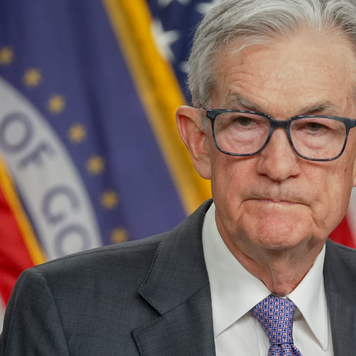
The president appoints and Congress confirms seven members to the Washington-based federal agency. Members serve 14-year terms that are staggered to prevent the entire board from changing all at once. The president also appoints a chairman (currently Ben Bernanke) and vice chairman, who are either already board members or become so in conjunction with their appointments, to four-year terms. Because of early resignations and other reasons, the board sometimes operates with vacancies.

In addition to their other responsibilities, board members all sit on the Federal Open Market Committee, or FOMC. They are joined by the president of the Federal Reserve Bank of New York and a rotating combination of four other regional bank presidents. The group gathers eight times a year to discuss the economy and decide how to proceed with regard to interest rates. If circumstances change between these meetings, which are usually five to eight weeks apart, members can teleconference or otherwise convene and make emergency rate changes.

The FOMC controls only two rates directly -- the federal funds rate and the federal discount rate. To understand what those rates are, people first have to understand that banks are required to maintain a certain percentage of the money deposited with them by customers on reserve at the Fed. On any given day, some banks will find they have extra money on reserve while some will find they don't have enough.


Next: "So what impact does that have?"
Page | 1 | 2 |
 
 RESOURCES
Fed Alert home page
Greg McBride's Federal Reserve blog
Free weekly e-mail newsletters
 TOP INVESTING STORIES
Saver wonders: pay tax now or later?
The facts on the FDIC
Converting IRA CD would be tax mistake


CDs and Investments
Compare today's rates
NATIONAL OVERNIGHT AVERAGES
1 yr CD 4.02%
2 yr CD 4.19%
5 yr CD 4.59%
- advertisement -
ADVERTISING PARTNERS
- advertisement -
 
- advertisement -


News & Advice | Compare Rates | Calculators
Mortgage | Home Equity | Auto | Investing | Checking & Savings | Credit Cards | Debt Management | College Finance | Taxes | Personal Finance
About Bankrate | Privacy | Online Media Kit | Partnerships | Investor Relations | Press/Broadcast | Contact Us | Sitemap
NASDAQ: RATE | RSS Feeds | Order Rate Data | Bankrate Canada | Bankrate China

* Mortgage rate may include points. See rate tables for details. Click here.
* To see the definition of overnight averages click here.

Bankrate.com ®, Copyright © 2008 Bankrate, Inc., All Rights Reserved, Terms of Use.