
Minimizing depreciation2 of 7Reed says new cars typically depreciate about 20 percent when they are driven off the lot. Most cars will lose another 10 percent in value during the first year. That's a 30-percent loss in value during the initial year of ownership. A $30,000 car loses roughly $9,000 in value during that period. You can avoid that hit by buying a one-year-old used car. He cautions that one-year-old used cars are hard to come by, but it's becoming easier to find two- and three-year-old used cars.Additionally, with the "right" used car, it's possible for an owner to buy it, drive it and sell it with little loss in equity. According to Reed, depreciation flattens out, usually after a car's second year when the rate of depreciation dips before increasing again around year five.Still, Nerad says buying something that is two years old and driving it until you can't drive it anymore is the most cost-effective way to own a car. Related Articles:Car buying hints for 2010Checklist for test-driveBrand-new or new-to-you?Negotiating a car's priceRelated Links:Save on next new carAuto loan calculatorLease or buy car?6 car-buying mistakes advertisement
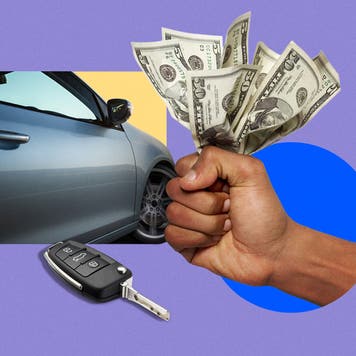
Reed says new cars typically depreciate about 20 percent when they are driven off the lot. Most cars will lose another 10 percent in value during the first year. That's a 30-percent loss in value during the initial year of ownership. A $30,000 car loses roughly $9,000 in value during that period. You can avoid that hit by buying a one-year-old used car. He cautions that one-year-old used cars are hard to come by, but it's becoming easier to find two- and three-year-old used cars.
Additionally, with the "right" used car, it's possible for an owner to buy it, drive it and sell it with little loss in equity. According to Reed, depreciation flattens out, usually after a car's second year when the rate of depreciation dips before increasing again around year five.
Still, Nerad says buying something that is two years old and driving it until you can't drive it anymore is the most cost-effective way to own a car.
Bankrate wants to hear from you and encourages thoughtful and constructive comments. We ask that you stay focused on the story topic, respect other people's opinions, and avoid profanity, offensive statements, illegal contents and advertisement posts. Comments are not reviewed before they are posted. Bankrate reserves the right (but is not obligated) to edit or delete your comments. Please avoid posting private or confidential information, and also keep in mind that anything you post may be disclosed, published, transmitted or reused.
By submitting a post, you agree to be bound by Bankrate's terms of use. Please refer to Bankrate's privacy policy for more information regarding Bankrate's privacy practices.
A little research could save you BIG on interest.