Best credit cards of August 2026


Advertiser Disclosure: Bankrate’s editorial team chooses and recommends the credit cards on this page. Our websites may earn compensation when a customer clicks on a link, when an application is approved, or when an account is opened. However, our recommendations and card ratings are produced independently without influence by advertising partnerships with issuers.
Filter by
If there's a better card out there, it's probably here
We cover 90%+ of U.S. credit card accounts. So when you compare on Bankrate, you're seeing almost everything the market has to offer.
Showing 15 results
Offer ends soon
Earn $250 Cash Back
Best cash back card for food

on Capital One's secure site
See Rates & FeesIntro offer
Earn $250 Cash Back
Rewards rate
1% - 8%
Annual fee
$0
Regular APR
18.49% - 28.49% (Variable)
Why you'll like this: It’s one of the only cards to earn excellent, unlimited rewards rates at both grocery stores and restaurants.
Reward Details
What you should know
Card Details
Best standalone rewards card
on Chase's secure site
See Rates & FeesIntro offer
Earn $200 cash back
Rewards rate
1.5% - 5%
Annual fee
$0
Regular APR
18.24% - 27.74% Variable
Why you'll like this: Few cards offer a flat rewards rate this high in addition to bonus rewards in popular categories like dining and travel.
Reward Details
What you should know
Card Details
Best travel card for rewards value

on Chase's secure site
See Rates & FeesIntro offer
75,000 bonus points
Rewards rate
1x - 5x
Annual fee
$95
Regular APR
19.24% - 27.49% Variable
Why you'll like this: It boasts terrific rewards value with its annual bonus points, practical bonus categories, high-value points and redemption flexibility.
Reward Details
What you should know
Card Details
Best for bonus offer

on Capital One's secure site
See Rates & FeesIntro offer
Earn 75,000 miles
Rewards rate
2X miles - 5X miles
Annual fee
$95
Regular APR
19.49% - 28.49% (Variable)
Why you'll like this: Its valuable sign-up bonus and travel credit add terrific short-term value to an already lucrative travel card.
Reward Details
What you should know
Card Details
Best luxury card for travel rewards

on Chase's secure site
See Rates & FeesIntro offer
100,000 bonus points
Rewards Rate
1x - 8x
Annual fee
$795
Regular APR
19.49% - 27.99% Variable
Why you'll like this: Jetsetters can rack up some of the most valuable rewards on the market with top-shelf travel rewards rates and perks.
Reward Details
What you should know
Card Details
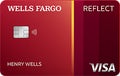
Best for balance transfers
on Wells Fargo's secure site
See Rates & FeesPurchase intro APR
0% intro APR for 21 months from account opening on purchases
Regular APR
17.49%, 23.99%, or 28.24% Variable APR
Intro offer
N/A
Rewards rate
N/A
Why you'll like this: It offers a long APR period on both new purchases and qualifying balance transfers, along with a below-average ongoing interest rate.
What you should know
Card Details
Apply with confidence
By applying, you can see if you're approved before impacting your credit
Best travel card for food
on American Express's secure site
See Rates & Fees, Terms ApplyIntro offer
As High As 100,000 points. Find Out Your Offer.
Rewards rate
1X - 5X
Annual fee
$325
APR
See Pay Over Time APR
Why you'll like this: Its dining perks and top-tier rewards rate at both supermarkets and restaurants make it a uniquely valuable travel card for foodies.
Reward Details
What you should know
Card Details
Best for affordable travel perks

on Capital One's secure site
See Rates & FeesIntro offer
Earn 75,000 bonus miles
Rewards rate
2 Miles - 10 Miles
Annual fee
$395
Regular APR
19.49% - 28.49% (Variable)
Why you'll like this: It offers mostly valuable, practical perks like annual travel credits and airport lounge access, making it a better deal than many other luxury cards.
Reward Details
What you should know
Card Details
Apply with confidence
By applying, you can see if you're approved before impacting your credit
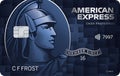
Best rewards card for groceries
on American Express's secure site
See Rates & Fees, Terms ApplyIntro offer
As High As $300 Cash Back. Find Out Your Offer.
Rewards Rate
1% - 6%
Annual fee
$0 intro annual fee for the first year, then $95.
APR
19.49%-28.49% Variable
Why you'll like this: This card’s chart-topping U.S. supermarket cash back rate (and rates in other key categories) can make it a de facto choice for big grocery spenders.
Reward Details
What you should know
Card Details
Best for existing U.S. Bank account holders

on U.S. Bank's secure site
See Rates & FeesIntro offer
N/A
Rewards Rate
2%
Annual fee
$0
Regular APR
18.24% - 28.24% Variable
Why you'll like this: If you’re a U.S. Bank loyalist with significant savings, this card can offer outstanding cash back rewards on all purchases.
Reward Details
What you should know
Card Details
Highest offer ever
Earn $1,000 bonus cash back
Best for large welcome offer

on Chase's secure site
See Rates & FeesIntro offer
Earn $1,000 bonus cash back
Rewards Rate
1.5%
Annual fee
$0
Regular APR
16.74% - 24.74% Variable
Why you'll like this: Its exceptional welcome offer and low cost make it a great starter option if you’re new to building business credit.
Reward Details
What you should know
Card Details
Apply with confidence
By applying, you can see if you're approved before impacting your credit
Best luxury card for travel perks

on American Express's secure site
See Rates & Fees, Terms ApplyIntro offer
As High As 175,000 points. Find Out Your Offer.
Rewards rate
5X
Annual fee
$895
APR
See Pay Over Time APR
Why you'll like this: It boasts the most comprehensive airport lounge access you can get, plus dozens of other top-tier travel perks and credits totaling nearly $2,000 in value.
Reward Details
What you should know
Card Details
Best for fair credit
Intro offer
N/A
Rewards Rate
1.5% - 5%
Annual fee
$39
Regular APR
28.99% (Variable)
Why you'll like this: It earns rewards while helping you build credit.
Reward Details
What you should know
Card Details
Best low-cost secured card
Intro offer
N/A
Rewards Rate
N/A
Annual fee
$0
Regular APR
28.99% (Variable)
Why you'll like this: You could potentially get a minimum $200 credit line with a deposit starting at $49, depending on your creditworthiness.
What you should know
Card Details
Best flat-rate cash back card
Intro offer
$200 cash back
Rewards Rate
2% - 5%
Annual fee
$0
Regular APR
17.49% - 27.49% (Variable)
Why you'll like this: It earns one of the best cash rewards rates on all eligible purchases, and sets itself apart from rivals with its stellar balance transfer offer and card pairing opportunities.
Reward Details
What you should know
Card Details

Remove a card to add another to compare
Remove a card to add another to compare
Compare Bankrate's best credit cards of 2026
| Card name | Our pick for | Card highlights | Ongoing APR |
Bankrate Score
|
|---|---|---|---|---|
|
Cash back card for food |
Earn 8% cash back on Capital One Entertainment purchases
Earn unlimited 5% cash back on hotels, vacation rentals and rental cars booked through Capital One Travel
Earn unlimited 3% cash back at grocery stores (excluding superstores like Walmart® and Target®), on dining, entertainment and popular streaming services
Earn 1% cash back on all other purchases |
Regular APR: 18.49% - 28.49% (Variable)
|
5.0 / 5 Our writers, editors and industry experts score credit cards based on a variety of factors including card features, bonus offers and independent research. Credit card issuers have no say or influence on how we rate cards.
Apply now
on Capital One's secure site
|
|
|
Standalone rewards card |
5% cash back on travel booked through Chase Travel℠ 3% cash back on dining and drugstore purchases 1.5% cash back on all other purchases No annual fee |
Regular APR: 18.24% - 27.74% Variable
|
5.0 / 5 Our writers, editors and industry experts score credit cards based on a variety of factors including card features, bonus offers and independent research. Credit card issuers have no say or influence on how we rate cards.
Apply now
on Chase's secure site
|
|
|
Travel rewards value |
3X points on online grocery purchases (excluding Walmart, Target and wholesale clubs), dining (including eligible delivery services) and select streaming services 5X points on Chase Travel℠ and Lyft Rides (Lyft offer through September 30, 2027) 2X points on other travel Yearly credits: Earn up to $100 in statement credits each account anniversary year for hotel stays through Chase Travel $95 annual fee |
Regular APR: 19.24% - 27.49% Variable
|
4.8 / 5 Our writers, editors and industry experts score credit cards based on a variety of factors including card features, bonus offers and independent research. Credit card issuers have no say or influence on how we rate cards.
Apply now
on Chase's secure site
|
|
|
Bonus offers |
Earn 5X miles per dollar on hotels, vacation rentals and rental cars booked through Capital One Travel
Earn 2X miles per dollar on all other purchases
$95 annual fee
|
Regular APR: 19.49% - 28.49% (Variable)
|
4.7 / 5 Our writers, editors and industry experts score credit cards based on a variety of factors including card features, bonus offers and independent research. Credit card issuers have no say or influence on how we rate cards.
Apply now
on Capital One's secure site
|
|
|
Luxury card for travel rewards |
8X points on Chase Travel℠ bookings 4X points on flights and hotel stays booked directly with airlines and hotels 3X points on dining Top-value travel perks available, including almost $1,700 of recurring perks toward eligible travel and dining, plus Priority Pass Select airport lounge membership Additional Southwest Airlines, IHG One and The Shops at Chase perks for the remainder of each calendar year you spend $75,000 $795 annual fee |
Regular APR: 19.49% - 27.99% Variable
|
4.8 / 5 Our writers, editors and industry experts score credit cards based on a variety of factors including card features, bonus offers and independent research. Credit card issuers have no say or influence on how we rate cards.
Apply now
on Chase's secure site
|
|
|
Balance transfers |
0% intro APR for 21 months from account opening on qualifying balance transfers (within the first 120 days) and purchases
(The regular APR will apply thereafter; 5% balance transfer fee, $5 minimum)
No annual fee |
Regular APR: 17.49%, 23.99%, or 28.24% Variable APR
|
4.3 / 5 Our writers, editors and industry experts score credit cards based on a variety of factors including card features, bonus offers and independent research. Credit card issuers have no say or influence on how we rate cards.
Apply now
on Wells Fargo's secure site
|
|
|
Travel card for food |
4X Membership Rewards® points per dollar spent on purchases at restaurants worldwide, on up to $50,000 in purchases per calendar year, then 1X points for the rest of the year. 4X Membership Rewards® points per dollar spent at US supermarkets, on up to $25,000 in purchases per calendar year, then 1X points for the rest of the year. 5X Membership Rewards® points on prepaid hotel stays booked through AmexTravel.com or the Amex Travel App. 3X Membership Rewards® points on flights booked through AmexTravel.com, the Amex Travel App, or purchased directly from airlines. 2X Membership Rewards® points on prepaid car rentals booked through AmexTravel.com or the Amex Travel App and cruises booked and paid through AmexTravel.com. 1X Membership Rewards® point per dollar spent on all other eligible purchases. Over $400 in various credits in monthly Uber Cash and credits toward eligible dining purchases (Uber Cash expires at the end of the month. Enrollment required for all credits.) $325 annual fee |
Regular APR: See Pay Over Time APR
|
4.9 / 5 Our writers, editors and industry experts score credit cards based on a variety of factors including card features, bonus offers and independent research. Credit card issuers have no say or influence on how we rate cards.
Apply now
on American Express's secure site
See Rates & Fees
, Terms Apply
|
|
|
Affordable travel perks |
10X miles on hotel and rental car bookings through Capital One Travel
5X miles on flights and vacation rentals booked through Capital One Travel
2X miles on all other purchases
Annual $300 Capital One Travel credit and 10,000 account anniversary bonus miles can help offset part of the annual fee
$395 annual fee |
Regular APR: 19.49% - 28.49% (Variable)
|
4.9 / 5 Our writers, editors and industry experts score credit cards based on a variety of factors including card features, bonus offers and independent research. Credit card issuers have no say or influence on how we rate cards.
Apply now
on Capital One's secure site
|
|
|
Grocery rewards card |
6% cash back at U.S. supermarkets on up to $6,000 per year in eligible purchases (then 1%), and on select U.S. streaming subscriptions
3% cash back at eligible U.S. gas stations and on transit (including taxis/rideshare, parking, tolls, trains, buses and more)
Up to $120 annually in Disney streaming subscription credits (up to $10 each month toward eligible subscriptions and bundles at Disneyplus.com, Hulu.com, Stream.ESPN.com U.S. websites. Subject to auto-renewal.
$95 annual fee ($0 intro annual fee the first year) |
Regular APR: 19.49%-28.49% Variable
|
4.4 / 5 Our writers, editors and industry experts score credit cards based on a variety of factors including card features, bonus offers and independent research. Credit card issuers have no say or influence on how we rate cards.
Apply now
on American Express's secure site
See Rates & Fees
, Terms Apply
|
|
|
U.S. Bank loyalists |
Unlimited 2% cash back
Up to an additional 2% cash back on your first $10,000 when paired with a U.S. Bank Smartly® Savings account (terms and conditions apply)
No annual fee
|
Regular APR: 18.24% - 28.24% Variable
|
3.9 / 5 Our writers, editors and industry experts score credit cards based on a variety of factors including card features, bonus offers and independent research. Credit card issuers have no say or influence on how we rate cards.
Apply now
on U.S. Bank's secure site
|
|
|
Business card simplicity |
Unlimited 1.5 percent cash back on all business purchases 5 percent cash back on Lyft rides through September 30, 2027
|
Regular APR: 16.74% - 24.74% Variable
|
4.2 / 5 Our writers, editors and industry experts score credit cards based on a variety of factors including card features, bonus offers and independent research. Credit card issuers have no say or influence on how we rate cards.
Apply now
on Chase's secure site
|
|
|
Luxury card for travel perks |
5X points on directly-booked airfare and flights and prepaid hotels booked through American Express Travel® (on up to $500,000 spent on flights per calendar year) 2X points on prepaid car rentals, vacation packages and cruise reservations through American Express Travel® Top-value travel perks available, including around $3,500 of recurring monthly and annual credits plus comprehensive airport lounge access $895 annual fee |
Regular APR: See Pay Over Time APR
|
4.8 / 5 Our writers, editors and industry experts score credit cards based on a variety of factors including card features, bonus offers and independent research. Credit card issuers have no say or influence on how we rate cards.
Apply now
on American Express's secure site
See Rates & Fees
, Terms Apply
|
|
|
Fair credit |
Automatic account review starting at 6 months to be considered for a higher credit line 5% cash back on hotels and rental cars booked through Capital One Travel 1.5% cash back on all other purchases $39 annual fee |
Regular APR: 28.99% (Variable)
|
4.0 / 5 Our writers, editors and industry experts score credit cards based on a variety of factors including card features, bonus offers and independent research. Credit card issuers have no say or influence on how we rate cards.
Apply now
on Capital One's secure site
|
|
|
Low-cost secured card |
Refundable security deposit starting at $49 to get at least a $200 initial credit line Automatic account review starting at 6 months to be considered for a higher credit line No annual fee |
Regular APR: 28.99% (Variable)
|
4.1 / 5 Our writers, editors and industry experts score credit cards based on a variety of factors including card features, bonus offers and independent research. Credit card issuers have no say or influence on how we rate cards.
Apply now
on Capital One's secure site
|
|
|
Flat-rate cash back |
5% cash back on hotels, car rentals and attractions booked through the Citi Travel® portal 2% cash back: 1% when you buy, 1% when you pay
0% intro APR for 18 months on balance transfers (transfers must be within the first four months)
No annual fee
|
Regular APR: 17.49% - 27.49% (Variable)
|
4.2 / 5 Our writers, editors and industry experts score credit cards based on a variety of factors including card features, bonus offers and independent research. Credit card issuers have no say or influence on how we rate cards.
Apply now
on Citi's secure site
|









Determine your preferred category
Browse different categories, then decide which type of credit card is best for you: cash back, travel, balance transfer or no annual fee.
Find your match
Check out our best credit cards lists or provide some basic info to get personalized partner card matches through the CardMatch™ tool.
Choose to apply
Click through to the issuer’s direct site to apply for a new account and start earning rewards or building up credit.