Homebuying in America: Unexpected costs drained her savings. A refinance helped her regain control


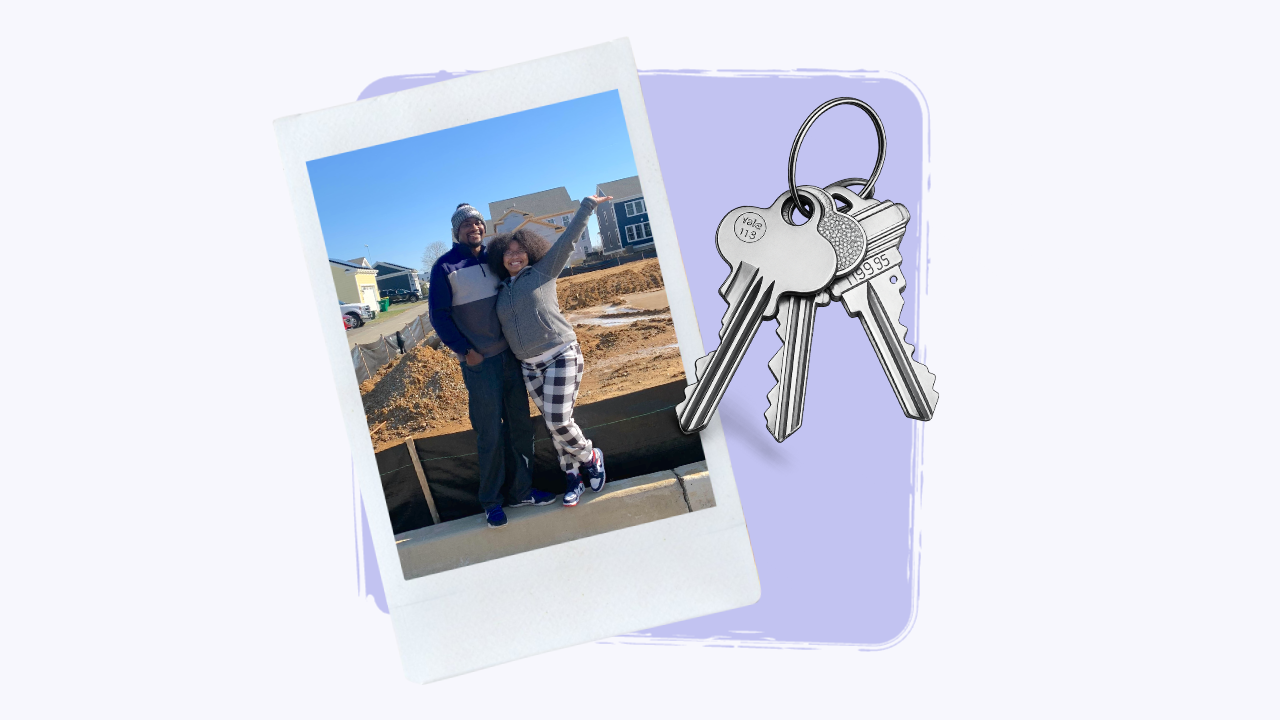
Crystin Liboma’s childhood dream was to own a home. At 26 years old, she moved out of her parents’ house into her first home purchase in Delaware. Then, she was slammed with major home repairs that left her struggling to pay her mortgage and several thousand dollars in credit card debt.
Three years after buying her first home in 2017, Liboma found relief in the form of a mortgage refinance. By refinancing from a mid-4%, 30-year mortgage to a 3.38%, 20-year mortgage, Liboma set herself on stronger financial footing.
Now 35 years old, the healthcare consultant has learned a few lessons about dealing with unexpected costs, along with one thing you can control but might not realize — your mortgage rate.
Setting the scene on homebuying
There are many uncontrollable costs when it comes to homeownership, including maintenance, rising property taxes and high utility bills. Naomi Peden, a housing counselor at Money Management International, helps people who are struggling to pay their mortgage. But financial stability begins before move-in day.
“One of the benefits of being a homeowner is the fact that you’re stabilizing a portion of your housing cost,” she tells clients during pre-purchase counseling. “That portion is the principal and interest payment.”
An expert's take
Behind her homebuying experience
Liboma interviewed multiple lenders for her first home purchase in 2017. One gave her a preapproval number based on her debt-to-income ratio. But another worked backward, asking her what monthly payment she could afford. To reach her answer of $1,200, the lender factored in her mid-4% rate, property taxes and insurance to come up with a loan amount.
With her monthly payments under control, the homebuying process was underway. But even after securing good loan terms and the keys to your first house, unanticipated costs can lurk around the corner.
After moving in, her 80-year-old home began to fall apart. The cast iron pipes cracked and were leaking water through the walls. It was a $6,000 repair that never appeared on the inspection.
“The timing was unfortunate,” she says. “I had just moved in, and therefore had obviously used a significant portion of my savings as a down payment for the house.”
Liboma lived in the house for four more years, dealing with a broken water heater and other plumbing issues. After dipping into her savings and accruing credit card debt, she describes it as feeling “house poor.”
“Being house poor, to me, is when your house and all the expenses that are tied to it take up so much of your bottom line that you then can’t afford anything else,” Liboma explains. “You’re struggling to do all the other things that come along with life, aside from having a roof over your head.”
Then, in 2020, mortgage rates plummeted. “I was chewing around the idea of refinancing and getting a lower payment,” she says. When her now-husband moved in, their combined income gave her more breathing room. She chose to refinance with the same lender into a 20-year mortgage at a lower 3.38% rate.
Her monthly payments stayed about the same, but she was able to begin building equity faster. That’s because more of each payment went toward principal, relative to interest, to meet her shortened repayment timeline.
With more financial wiggle room and home equity to her name, Liboma had more leverage in the housing market. One year later, she and her husband were ready to invest in a new home together.
And this time, she wasn’t risking any unforeseen maintenance costs. They bought a new-construction house in suburban Delaware at a 4% rate from her same lender in 2021. Given today’s higher rates, she probably won’t refi any time soon.
One of the benefits of being a homeowner is the fact that you’re stabilizing a portion of your housing cost.— Naomi Peden, housing counselor at Money Management International
What this means for you
Refinancing often lowers your monthly payment, which Peden says can be helpful if you’re struggling to keep up with the mortgage or other expenses, or you’re earning less than before. But she also educates clients on how a refi can reset the clock — meaning your repayment timeline restarts for another 30 years, unless you refi into a 20- or 15-year amortization schedule.
“The first 10 years that you’re making payments on your mortgage payment, most of that payment is going toward your interest,” Peden explains. “Once you get over that 10-year mark, that’s when the magic happens.”
Here’s an example of how amortization works for a $400,000, 30-year mortgage at a 6% rate:
It’s worth considering refinancing with a shorter loan term or paying extra on your principal to accelerate your repayment momentum.
Her homeownership dream
Liboma rented out her first house for a couple more years before deciding to sell, which she says helped the couple pay off credit card debt and grow their savings.
With two young children, it’s more important than ever for the couple to feel financially secure. Liboma says they don’t have to pinch pennies anymore. “We can splurge here or there, go on date nights and not have to worry about nickel-and-diming ourselves,” she explains.
The couple has considered investing in other rental properties. They tapped into their lender relationship to talk through options and run the numbers — which showed them it’s not the right time.
“I won’t say it’s off the table,” Liboma says. For now, her goal is to pay off their current mortgage completely. She wants to enjoy her dream house and afford improvements without feeling house poor.
Why we ask for feedback Your feedback helps us improve our content and services. It takes less than a minute to complete.
Your responses are anonymous and will only be used for improving our website.