Optimum First Mortgage 30 Year Fixed
NMLS #240415 | State Lic: MLD1600
- RateRate as of 9/23/26
- 6.123%
- APRAPR
- 6.271%
- Monthly paymentMonthly payment
- $3,305
- Points
- 1.187
- Upfront costs
- $8,452
- 8-year cost
- $260,393
- Customer score
 Written by
On Wednesday, September 23, 2026, the national average 30-year fixed mortgage APR is 7.18%. The national average 30-year fixed refinance APR is 7.15%, according to Bankrate's latest survey of the nation's largest mortgage lenders.
Every year, American homeowners pay an average of $3,343 more than they need to. Compare rates today to get your best available rate and avoid overpaying.
Showing results for: Single-family home, 30 year fixed and 5 year ARM mortgages with all points options.
For live offers, represented by the solid button on each, we earn a fixed fee if you connect with the lender.
Showing 12 of 15
About our Mortgage Rate Tables: The above mortgage loan information is provided to, or obtained by, Bankrate. Some lenders provide their mortgage loan terms to Bankrate for advertising purposes and Bankrate receives compensation from those advertisers (our “Advertisers”). Other lenders' terms are gathered by Bankrate through its own research of available mortgage loan terms and that information is displayed in our rate table for applicable criteria. In the above table, an Advertiser listing can be identified and distinguished from other listings because it includes a “Next” button that can be used to click-through to the Advertiser's own website or a phone number for the Advertiser.
Availability of Advertised Terms: Each Advertiser is responsible for the accuracy and availability of its own advertised terms. Bankrate cannot guaranty the accuracy or availability of any loan term shown above. However, Bankrate attempts to verify the accuracy and availability of the advertised terms through its quality assurance process and requires Advertisers to agree to our Terms and Conditions and to adhere to our Quality Control Program. Click here for rate criteria by loan product.
Loan Terms for Bankrate.com Customers: Advertisers may have different loan terms on their own website from those advertised through Bankrate.com. To receive the Bankrate.com rate, you must identify yourself to the Advertiser as a Bankrate.com customer. This will typically be done by phone so you should look for the Advertisers phone number when you click-through to their website. In addition, credit unions may require membership.
Loans Above $832,750 May Have Different Loan Terms: If you are seeking a loan for more than $832,750, lenders in certain locations may be able to provide terms that are different from those shown in the table above. You should confirm your terms with the lender for your requested loan amount.
Taxes and Insurance Excluded from Loan Terms: The loan terms (APR and Payment examples) shown above do not include amounts for taxes or insurance premiums. Your monthly payment amount will be greater if taxes and insurance premiums are included.
Consumer Satisfaction: If you have used Bankrate.com and have not received the advertised loan terms or otherwise been dissatisfied with your experience with any Advertiser, we want to hear from you. Please click here to provide your comments to Bankrate Quality Control.
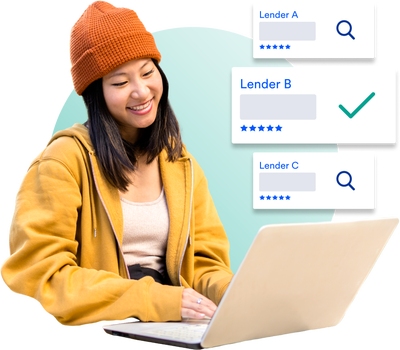
Most lenders show one rate: theirs. We show offers from multiple lenders competing for your loan, so you can compare and find a better one.
Answer a few quick questions so lenders can show rates tailored to you, not generic numbers.
See your top offers and choose which lenders to hear from — only those lenders will contact you.
As of Wednesday, September 23, 2026, current interest rates in Florida are 6.86% for a 30-year fixed mortgage and 6.33% for a 15-year fixed mortgage.
After peaking near 8% in October 2023, mortgage rates in Florida — and nationally — have decreased, but not as quickly as many homebuyers had hoped. In recent months, economic uncertainty has caused rates to fall a bit more, but they still average between 6 and 7% — a significant increase over COVID-era rates. Bankrate’s 2026 forecast calls for mortgage rates to fall below 6% for the first time in more than three years, averaging 6.1% throughout the year after dropping to a low of 5.7% and reaching a high of 6.5%.
Refinances rates in Florida and across the country have been trending upward. In the fourth quarter of 2025, the total number of refinance loans had increased by nearly 6% compared to the previous quarter, and were up 11% versus the year prior, according to real estate data provider ATTOM
If you’re thinking about a cash-out refinance in the current market, pay close attention to your property value. Cotality (formerly CoreLogic) reports that the typical Florida homeowner lost more than $29,000 of equity in 2025.
| Product | Interest Rate | APR |
|---|---|---|
| 30-Year Fixed Rate | 7.11% | 7.18% |
| 15-Year Fixed Rate | 6.51% | 6.62% |
| 30-Year Fixed Rate FHA | 6.84% | 6.89% |
| 30-Year Fixed Rate VA | 6.84% | 6.91% |
| 30-Year Fixed Rate Jumbo | 7.16% | 7.20% |
| 3/1 ARM Rate | 5.98% | 6.87% |
| 7/1 ARM Rate | 6.31% | 6.79% |
Rates as of Wednesday, September 23, 2026 at 6:30 AM
While the Sunshine State's real estate market has been hot in recent years, the state’s homeowners insurance crisis makes owning a home there more challenging. The state's median sales price is lower than the national median. According to Florida Realtors, the median price decreased year-over-year in January, while the average price increased during the same time frame. In addition, the number of new listings in the state increased by 7% year-over-year.
Properties are also sitting on the market longer in Florida, and sellers are agreeing to accept offers well below list price.
Source: ATTOM, Redfin, Florida Realtors, U.S. Census Bureau
Florida’s state housing authority, Florida Housing Finance Corp., offers eligible first-time buyers more affordable mortgages and down payment and closing cost assistance. Programs available include:
Long before you start looking for a mortgage lender or applying for a loan, give your finances a check-up, and improve your credit score if needed.
To find the right mortgage, you’ll need a good handle on how much house you can afford.
There are a few different types of mortgages.
Rate-shop with at least three different banks or mortgage companies to get the best deal, and be sure to read reviews of different lenders.
Getting a mortgage preapproval is the only way to get accurate loan pricing for your specific situation.


We appreciate your feedback
Thank you for taking the time to share your experience.