Your credit card company counts on you to stay in debt — especially if you have bad credit



You can be responsible with your credit cards. You can pay your card bills in full each month and never owe a dollar in interest. And for all that effort, your credit card company will still consider you a “deadbeat” — the industry’s term for its least profitable customers.
Credit card companies make most of their money when you stay in debt. People who pay off their balance each month — “transactors,” in industry shorthand — don’t generate much revenue for card issuers. Instead, they count on “revolvers” (cardholders who carry a balance) to keep feeding their bottom line.
Americans owed a collective $1.26 trillion on their credit cards in the second quarter of 2026, which is near the record high of $1.28 trillion set in the fourth quarter of last year, according to the Federal Reserve Bank of New York. These numbers don’t inspire optimism. Credit card debt, after all, is expensive and can be toxic to your financial health. It’s persistent, too: 47% of cardholders report having a credit card balance as of December 2025, and 22% of debtors don’t think they’ll ever pay it off, according to Bankrate’s 2026 Credit Card Debt Report.
For the people carrying those balances, that’s a problem. For the companies that issued the cards, it’s business as usual.
“Credit card companies make a lot of money on people who carry over credit card debt month to month,” says Lauren Saunders, senior attorney at the National Consumer Law Center. “The people’s payments heavily go to interest rather than reducing their principal.”
And the lower a cardholder’s credit score, the easier for the credit card issuer to make money on the debt they carry. Issuers profit from keeping Americans in debt, and consumers like you pay billions in interest and fees. Protect yourself by knowing the facts and avoiding the trap of revolving debt.
Credit card issuers depend on you staying in debt
Credit card companies make money in three ways:
- Interest, or what you’re charged for carrying a balance
- Other card fees, such as late fees, annual fees, cash advance fees, balance transfer fees and others
- Interchange fees, or fees the merchant pays every time a customer uses a credit card for payment
The biggest share of these profits comes from interest. In 2024, consumers paid $160 billion in interest charges, up from $105 billion in 2022, according to CFPB’s Consumer Credit Card Market report. In fact, interest accounts for about 80% of credit card profitability, according to 2022 Federal Reserve research. With other consumer fees making up most of the remaining 20%, it’s safe to say that cardholders who carry a balance drive most credit card revenue — so issuers rely on them and seek them out.
Interest is also a lucrative revenue stream because the issuers keep the rates steep. Currently, the average credit card interest rate is close to 20%, according to Bankrate’s data. For people with bad credit (or a FICO Score below 580), the rate can be even higher, often exceeding 30%. Issuers price their card products with lending risk in mind, ensuring they remain profitable even if more likely-to-default consumers eventually default.
A card interest rate consists of a Prime Rate (currently 7.00%) and a margin set by the issuer, often about 13%. And yet, “you see cards charging 35.99% in any interest rate environment,” says Adam Rust, a financial director at the Consumer Federation of America.
“It’s interesting to see how the margin between the consumer credit rate and the federal funds rate has gone up over time,” he says. “There’s been a consistent widening of that gap… Large issuers generally charge higher interest rates on a risk-adjusted basis, and yet they still get more market share.”
That means that if you expect to carry a balance, you can’t assume that a major bank will give you a competitive rate. You need to shop around and see what smaller issuers offer. For example, federal credit unions currently cap their interest rates at 18%.
Cardholders with lower scores carry a burden
Issuers rely on customers being in debt, and they do little to steer people with low scores away from it. The industry has a significant incentive to extend credit to borrowers who are already stretched too financially thin, rather than steer them away. And issuers purposefully seek out such customers when marketing certain cards.
“The data brokers are providing thousands of granular points of information on consumers,” Rust says. “An issuer doing its homework doesn’t have any trouble identifying which customers are liquidity-constrained and likely to carry a balance. That’s not hard.”
About half of all general-purpose card accounts carried a balance in 2024, according to the CFPB’s 2025 report. That overall rate hides a huge spread by credit tier: In 2024, 83% of cardholders with subprime scores and 88% with deep subprime scores carried a balance.
“It’s natural that people who are struggling more paycheck to paycheck, who have lower credit scores and have had trouble meeting their expenses, turn more to credit cards and have trouble paying them off every month,” Saunders says.
And the reason they turn to cards is usually not what people assume. Among cardholders carrying a balance, 41% said that an emergency or unexpected expense was the primary cause, while another 33% pointed to day-to-day expenses as the biggest cause of their debt, according to Bankrate’s 2026 Credit Card Debt Report. Only 7% carry a balance because of vacations or entertainment.
Carrying that balance costs low-score borrowers more per dollar, too. Cardholders with subprime and deep subprime scores who revolve a balance pay two to four times more in interest and fees than the superprime borrowers, the CFPB found.
To credit card companies, the riskiest borrowers are also the most profitable ones. In fact, prime borrowers are only about half as profitable, according to research published by the Federal Reserve Bank of New York in 2025. Return on assets for subprime borrowers with FICO Scores in the 600s sits at around 11%, then drops sharply and levels off near 5% for prime borrowers above 750.
For every $1,000 in balances, issuers keep about $110 a year from cardholders with scores in the low-to-mid 600s. To compare, they only make about $50 per $1,000 from cardholders with scores above 750. If you carry a balance at a high APR, you’re a lucrative customer for your card issuer — even if you don’t qualify for its lucrative card products.
“Despite a significantly higher charge-off risk, subprime and deep subprime revolvers are some of the best customers for a card issuer,” Rust says. “The returns on revolvers are so much higher even after factoring in all the expenses for operations and rewards, that it’s hard to ignore.”
Issuer profits aside, offering a revolving line of credit to consumers with bad credit is both necessary and exploitative. On the one hand, it allows people who struggle financially access credit without turning to truly predatory options, such as payday or title loans. On the other hand, with how high fees and interest rates are on cards for bad credit, a credit card can easily make a bad situation worse.
“Anybody who has ‘bad credit’ is probably already deep in debt and really shouldn’t be taking on more,” Saunders says.
But while the cardholder is left to pick the lesser evil, the issuer always wins. A credit card company doesn’t need to choose between serving a subprime borrower and profiting from them. It gets to do both.
How credit cards turn into debt traps
While the healthiest credit card habit is paying off the balance in full every month, credit card issuers don’t make it easy.
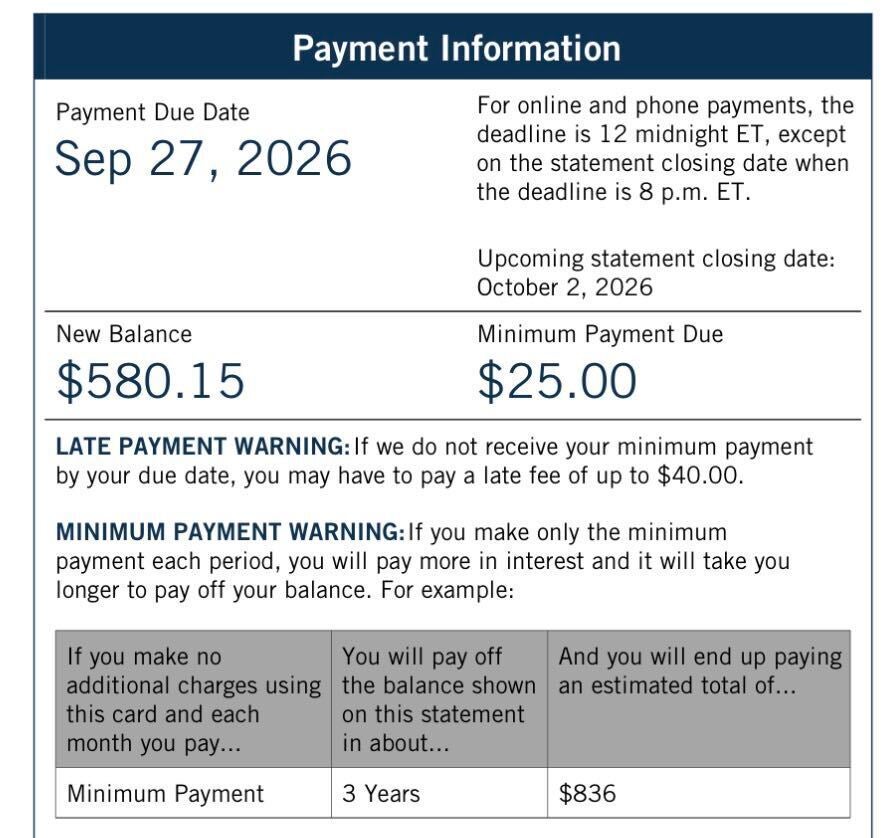
Saunders explains that the way credit cards are structured doesn’t encourage swift repayment. Minimum payments are very low — often 1% of the balance amount plus any accrued interest. Paying only the minimum can keep you revolving a balance for years and paying interest on interest, until your total interest exceeds what you borrowed in the first place.
“I don’t think people have any idea of how long it would take to repay their credit card debt just making the minimum payments,” Saunders says. “There is a minimum payment warning that is required on statements from the Credit Card Act of 2009, but… unless you’re really looking at that on your paper statement or on the PDF online, which most people probably never [do], you’re not going to see it.”
Then there are the cards designed to be expensive from the start.
“There are some credit cards aimed at subprime consumers that have very high fees,” Saunders says. “Those fees can be monthly fees. Those are fees that really reduce the amount of credit they’re even getting. We call those fee harvester cards that are really just designed to take fees out of people rather than to give them useful forms of credit.”
These offers usually arrive in the mail. To accept, you’re sent to a website that leads with the promise of a credit card, even with bad credit, but buries the terms under easy-to-miss links. If you check the links, you’ll likely find a range of junk fees, including an application fee, monthly fees and fees for “premium design” (which will still be a regular plastic card). These are signs to look elsewhere for a card.
Saunders also warns against potentially predatory credit card types that can get you in a revolving cycle when you don’t expect it. Be wary of deferred interest cards, which advertise 0% or low APR for several months. You’ll often see these at department stores, big-box stores and sometimes in medical and dental offices. No interest sounds like a good deal, but if you don’t repay the balance in full before the promotional period ends, you’ll owe the interest on the entire original balance, retroactive to the day you bought. Those charges can easily total hundreds of dollars.
“It’s a real trap,” Saunders says.
How much it costs to be a revolver
Let’s say you have a $1,000 balance on a card charging 21%. Your budget is stretched thin, so you only make minimum payments (interest + 1% of the balance). It will take you 119 months — almost 10 years! — to get rid of your debt. You’ll also pay $1,125 in total interest charges, more than your original balance.
It seems like a lot. But for many American revolvers, the numbers are even more significant.
In the Fed’s 2022 research, the average light revolver (or someone who revolved a balance for 11 months out of a year or less) spent $637 on their card per month and had a monthly balance of about $1,700, of which almost $1,000 was revolving balance. Light revolvers held about 22% of total revolving balances and comprised a quarter (25%) of all card accounts. They paid around $15 in interest monthly, which makes up about 20% of all interest.
In contrast, the average heavy revolver (or a person who rolled a balance every month of a year) only spent just $206 a month on their credit card. However, their balance was almost $4,500, and they rolled $4,100 month over month. Overall, heavy revolvers held more than half (53%) of total balances and about two-thirds of total revolving balances. They paid more than $60 per month in interest charges on average — and more than 70% of all interest.
Only 1 in 5 credit card accounts (21%) were transactors. However, they accounted for 39% of all credit card purchase volume, with average monthly spending of $826. They also paid almost no interest.
This underscores the dynamic between revolvers and transactors. The people who consistently carry a balance spend the least on purchases and pay the most in interest. The so-called deadbeats spend the most on purchases on average, yet they avoid interest altogether.
And that’s the tension at the center of the credit card business: What’s best for the issuer’s profits is a financial burden for the cardholder. Fewer than half of cardholders in debt (48%) have a plan to pay it off, according to Bankrate’s 2026 Credit Card Debt report. Worse still, almost 1 in 5 debtors (19%) think they might miss a minimum payment at some point in the next six months.
If credit card debt is straining your finances and dragging down your credit score, you’re not alone. But your credit card habits don’t lessen your value as a customer. Quite the contrary: You’re making your issuer more money than someone with a much higher score and a premium card you can’t qualify for.
How to stop being your issuer’s best customer
Your relationship with your credit card issuer is a two-way street. You follow the terms and conditions, pay your bills and spend within your credit limit. In exchange, your issuer offers access to a line of credit and sometimes certain benefits. What you don’t owe them is a monthly contribution to their margin.
Twenty-two percent of cardholders in debt don’t believe they’ll ever get out of it. It’s not easy, but paying off your credit card debt is possible. Pay more than the minimum whenever you can. Attack your highest-rate card first. And move the balance somewhere cheaper if you can qualify — a balance transfer card with a 0% promotional period will generally want a score of at least 670. Whatever approach you pick, the one that works is the one you stick with.
If you feel completely overwhelmed by debt, get help from a nonprofit credit counseling agency, which can set up a debt management plan to pay down your card balances. Be skeptical of any organization that charges upfront fees or promises to settle your debt for pennies on the dollar.
When you clear your balances, you can become a transactor: someone who uses a card for the perks without paying the issuer a dime in interest. If you’re already there, keep using your cards wisely. Your credit card company might call you a “deadbeat,” but that’s exactly what you want to be.
Why we ask for feedback Your feedback helps us improve our content and services. It takes less than a minute to complete.
Your responses are anonymous and will only be used for improving our website.

You may also like

Mortgage rates fall well below 7.5%

What is the average personal loan rate for October 2026?

Mortgage rate history: 1972 to 2026