Best credit cards for excellent credit in October 2026


 Edited by

 Reviewed by
 Edited by
Reviewed by
Edited by
Reviewed by
Bankrate’s editorial team chooses and recommends the credit cards on this page. Our recommendations and card ratings are produced independently without influence by advertising partnerships with issuers.
Filter by
If there's a better card out there, it's probably here
We cover 90%+ of U.S. credit card accounts. So when you compare on Bankrate, you're seeing almost everything the market has to offer.
Showing 12 results
Apply with confidence
By applying, you can see if you're approved before impacting your credit
Best for travel perks

on American Express's secure site
See Rates & Fees, Terms ApplyIntro offer
As High As 175,000 points. Find Out Your Offer.
Rewards rate
5X
Annual fee
$895
APR
See Pay Over Time APR
Why you'll like this: Probably considered THE top-of-the-line travel credit card with some of the highest quality travel perks around.
Reward Details
What you should know
Card Details
Apply with confidence
By applying, you can see if you're approved before impacting your credit
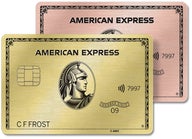
on American Express's secure site
See Rates & Fees, Terms ApplyIntro offer
As High As 100,000 points. Find Out Your Offer.
Rewards rate
1X - 5X
Annual fee
$325
APR
See Pay Over Time APR
Why you'll like this: You'll enjoy flexible dining rewards, including on supermarket, takeout and delivery purchases.
Reward Details
What you should know
Card Details

on Chase's secure site
See Rates & FeesIntro offer
100,000 bonus points
Rewards rate
1x - 8x
Annual fee
$795
Regular APR
19.49% - 27.99% Variable
Why you'll like this: You’ll get some of the best luxury travel perks and protections available with this card.
Reward Details
What you should know
Card Details
Best for food and entertainment

on Capital One's secure site
See Rates & FeesIntro offer
Earn $200 Cash Back
Rewards rate
1% - 8%
Annual fee
$0
Regular APR
18.74% - 28.74% (Variable)
Why you'll like this: You’ll get high rewards on categories other cards don’t cover, such as entertainment and popular streaming services.
Reward Details
What you should know
Card Details
Best starter travel card

on Chase's secure site
See Rates & FeesIntro offer
75,000 bonus points
Rewards Rate
1x - 5x
Annual fee
$95
Regular APR
19.24% - 27.49% Variable
Why you'll like this: It offers enviable perks and rewards and a boost on point redemption for travel for a reasonable fee.
Reward Details
What you should know
Card Details
Best for rotating bonus categories

on Capital One's secure site
See Rates & FeesIntro offer
Cashback Match
Rewards rate
1% - 5%
Annual fee
$0
Regular APR
17.74% - 26.74% Variable APR
Why you'll like this: You can benefit from a variety of rewards categories without an annual fee, along with a unique welcome bonus.
Reward Details
What you should know
Card Details
Best for flat-rate cash back

on Capital One's secure site
See Rates & FeesIntro offer
Earn a one-time $200 cash bonus
Rewards rate
1.5% - 5%
Annual fee
$0
Regular APR
18.74% - 28.74% (Variable)
Why you'll like this: It's a flat-rate card that keeps things streamlined with an easy-to-earn welcome bonus and solid intro APR offers.
Reward Details
What you should know
Card Details
Best for flexible travel rewards

on Capital One's secure site
See Rates & FeesIntro offer
Earn a bonus of 20,000 miles
Rewards rate
1.25X miles - 5X miles
Annual fee
$0
Regular APR
18.74% - 28.74% (Variable)
Why you'll like this: While the rewards rate is low for a flat-rate card, it more than makes up for it with the potential value of its transfer partners.
Reward Details
What you should know
Card Details
Apply with confidence
By applying, you can see if you're approved before impacting your credit
Best for groceries and gas

on American Express's secure site
See Rates & Fees, Terms ApplyIntro offer
As High As $300 Cash Back. Find Out Your Offer.
Rewards rate
1% - 6%
Annual fee
$0 intro annual fee for the first year, then $95.
APR
19.74%-28.74% Variable
Why you'll like this: With high cash back opportunities for supermarkets and gas, it’s rewarding for people who want a well-rounded everyday card.
Reward Details
What you should know
Card Details
Apply with confidence
By applying, you can see if you're approved before impacting your credit
Best for everyday purchases

on American Express's secure site
See Rates & Fees, Terms ApplyIntro offer
As High As $200 Cash Back. Find Out Your Offer.
Rewards rate
1% - 3%
Annual fee
$0
APR
19.74%-28.74% Variable
Why you'll like this: It’s perfect for people who want to earn cash back on gas, supermarkets and online shopping without an annual fee.
Reward Details
What you should know
Card Details
Best for affordable luxury travel

on Capital One's secure site
See Rates & FeesIntro offer
Earn 75,000 bonus miles
Rewards Rate
2 Miles - 10 Miles
Annual fee
$395
Regular APR
19.74% - 28.74% (Variable)
Why you'll like this: Its perks easily help offset the high annual fee, making it a great choice for luxury travel.
Reward Details
What you should know
Card Details

on Gemini's secure site
See Rates & FeesIntro offer
N/A
Rewards Rate
1% - 4%
Annual fee
$0
Regular APR
18.49% - 34.49% Variable
Why you'll like this: Its everyday rewards rates mean you can easily earn crypto rewards without altering your spending habits.
Reward Details
What you should know
Card Details

Remove a card to add another to compare
Remove a card to add another to compare
Compare Bankrate's top cards for excellent credit
| Best for | Rewards highlights | |||
|---|---|---|---|---|
Apply with confidence Hover to learn more on American Express's secure site See Rates & Fees, Terms Apply | Travel perks | $895 |
| 3.8 Hover to learn more Best for travel perks |
Apply with confidence Hover to learn more on American Express's secure site See Rates & Fees, Terms Apply | Dining | $325 |
| 3.9 Hover to learn more Best for dining |
Rewards value | $795 |
| 4.8 Hover to learn more Best rewards value | |
Food and entertainment | $0 |
| 5.0 Hover to learn more Best for food and entertainment | |
Starter travel card | $95 |
| 4.8 Hover to learn more Best starter travel card | |
Rotating bonus categories | $0 |
| 4.1 Hover to learn more Best for rotating bonus categories | |
Flat-rate cash back | $0 |
| 3.8 Hover to learn more Best for flat-rate cash back | |
Flexible travel rewards | $0 |
| 3.9 Hover to learn more Best for flexible travel rewards | |
Apply with confidence Hover to learn more on American Express's secure site See Rates & Fees, Terms Apply | Groceries and gas | $0 intro annual fee for the first year, then $95. |
| 3.4 Hover to learn more Best for groceries and gas |
Apply with confidence Hover to learn more on American Express's secure site See Rates & Fees, Terms Apply | Everyday purchases | $0 |
| 3.6 Hover to learn more Best for everyday purchases |
Affordable luxury travel | $395 |
| 4.9 Hover to learn more Best for affordable luxury travel | |
Crypto rewards | $0 |
| 3.0 Hover to learn more Best for crypto rewards |



Determine your preferred category
Browse different categories, then decide which type of credit card is best for you: cash back, travel, balance transfer or no annual fee.
Find your match
Check out our best credit cards lists or provide some basic info to get personalized partner card matches through the CardMatch™ tool.
Choose to apply
Click through to the issuer’s direct site to apply for a new account and start earning rewards or building up credit.
Table of contents
Benefits of having excellent credit (800-850)
With an excellent credit score (800 to 850 FICO Score), you'll have access to some of the most valuable and rewarding credit cards on the market. But the benefits aren’t limited to credit cards — a trustworthy credit background can give you an advantage when you apply for housing, jobs, insurance, personal loans and more.
Here are some of the ways achieving excellent credit can benefit your financial journey:
Most credit cards requiring an excellent credit score offer better rewards rates, broader spending categories and more appealing travel perks and protections than cards available with lower credit requirements.
If you demonstrate you’re responsible with credit, issuers may feel comfortable offering you higher credit limits, which increases your spending power and helps improve your credit utilization ratio.
What’s my credit score?
| Score Category | Credit Range* |
|---|---|
| Poor | 300-579 |
| Fair | 580-669 |
| Good | 670-739 |
| Very Good | 740-799 |
| Excellent | 800-850 |
*Based on FICO Score model
How to choose the best card for excellent credit
Since excellent credit gives you access to most credit cards on the market, choosing the best cards for you typically involves looking for specific rewards rates and perks that will benefit you the most. You just need to know what you want and what you can afford. Here is some of my expert advice on things to look for when choosing a card for excellent credit:
Although most cards for excellent credit typically have high annual fees, they’re usually worth it when the premium perks and elevated rewards offset the card’s cost. Cards with the highest costs could also provide the greatest return of value. Don’t be intimidated by a card without looking into what it offers in return. I have multiple cards with high annual fees which I reevaluate on a regular basis to make sure they continue to provide enough value to justify staying in my portfolio.
My recommendation: the American Express Platinum Card®, which provides a laundry list of perks that can easily offset its high annual fee.
Cards for excellent credit typically include the highest rewards rates you can find in any category. While flat-rate cards are simpler to manage, you potentially have access to cards with the best benefits and rewards that you can maximize if you have excellent credit. Don’t be afraid to use different credit cards to take advantage of the best rewards rates available to you and choose cards that reward you favorably for your most common purchases. I regularly use cards from different issuers to get the highest possible return on every dollar I spend in every category.
My recommendation: The American Express® Gold Card is my top choice for all food-related purchases with some of the best rates available. You can get a return of around 8 percent or higher with the right redemption, according to Bankrate’s latest valuations.
You’ll find the highest welcome offers on cards with excellent credit. Taking advantage of a card’s welcome bonus is one of the best ways to generate outstanding initial value and quickly boost your balance. I often look into opening a new card when I have significant upcoming expenses as a way of putting value back into my pocket. Just make sure you’re able to meet the minimum spending requirements in the specified time frame, because you generally only get one chance to earn a welcome bonus on a new card.
My recommendation: No matter what card you’re interested in, wait for an elevated limited-time offer before applying. We keep track of when cards previously offered higher bonuses, which can help you plan ahead for an even bigger return and not miss out on getting the most out of your new card.
Ask Bankrate: How did you build excellent credit?
Our experts have taken different approaches to building excellent credit. Any advice we recommend on this page is something we’ve used ourselves on our credit journey.
Bankrate staff insights
"I built my excellent credit score through hard work and dedication. I’ve opened a massive portfolio of cards over the years and never missed a payment or spent more than I could afford to pay back. While I take a short-term credit score hit when I open a card, it’s not as bad as you might think. After a few billing cycles of responsible use, my score is even higher than it was before I applied."
 Ryan Flanigan, CCC, Writer, Credit cards
"I built my excellent credit by setting automatic payments on my cards for the full statement balance each month and treating every purchase as though I were paying in cash. I didn’t push hard on rewards or open new accounts until I was far more confident in my ability to handle a card. It’s a slow and steady process, and you shouldn’t rush it."
 Steve Dashiell, Editor, Credit cards
"I built my credit to excellent by accident. I focused on paying the bill on time and not letting my balance get too high. Years later, I have excellent credit and I maintain it by keeping both those habits and making sure I don’t apply for anything big back-to-back, like a car loan or another credit card."
 India Davis, Editor, Credit Cards
Maintaining your excellent credit score
There are two main models for measuring credit scores — VantageScore and FICO. Both use data from credit bureaus but calculate scores differently. An excellent FICO score ranges from 800 to 850, while VantageScore’s excellent tier falls between 781 and 850.
Earning an excellent credit score is an outstanding achievement that you should be proud of. However, it’s not enough to just achieve an excellent score — you need to maintain it. Your credit score can drop off quickly if you’re not careful. If you’ve climbed to the top of the credit score mountain, here are some tips on what to do to keep your credit pristine.
- Treat your credit card like a debit card. Spend what you can afford to pay back every month and keep your credit utilization ratio at a manageable level. My goal is to never pay a cent of credit card interest in my life.
- Manage debt responsibly. If you need to carry a balance or finance a larger expense, use your excellent credit score to seek out the lowest possible APR or a zero-interest card to better manage your debt. For example, I recently took advantage of a zero-interest card to finance tuition costs.
- Don’t miss payments. My goal is to pay every bill on time, every time. Missing or late payments can quickly tank your credit score.
- Maintain a lengthy credit history. Keep the average age of your credit cards in mind, especially as you open new cards with your excellent credit score. Even if you no longer use older no-annual-fee credit cards, make an occasional purchase to keep them active and bolster your overall credit account age. I keep older cards in a drawer with reminders to use them to prevent them from being closed due to inactivity.
- Monitor your credit. Fraudsters can strike at any time and ruin years of hard work. Many cards for excellent credit offer credit monitoring services, like FICO score access, which you can use to keep tabs on your credit report and make sure nothing is out of the ordinary. I check my scores at least once a month and always get a free credit report each year.
Does excellent credit guarantee card approval?
Having excellent credit doesn't guarantee approval, but it certainly helps. Even though credit card and other financial product application denials increased in 2024, 55 percent of people with excellent credit who applied for cards on our site in the past 6 months were approved, according to our proprietary data. Overall, they were about 80 percent more likely to get approved than applicants with scores in lower tiers.
If you’re able to manage your cards responsibly, you should feel confident in your ability to qualify for the best cards. However, even if you have an excellent credit score, you’ll still need to consider the application limits and restrictions of each credit card issuer when planning your portfolio.
Bankrate Insight
Bankrate's CardMatch™ tool can help you assess your preapproval odds with trusted partners, which can help you apply for your next card with more confidence.
Frequently asked questions about credit cards for excellent credit scores
How we choose the best cards for excellent credit
We select cards for “Best” credit cards pages based primarily on how cards score in our proprietary card rating system, our editors’ subjective assessment of card quality, card approval odds and credit requirements and unique card features.
Cards typically must score a minimum of 3.0 stars to be included on a “Best” list. However, we may include cards with scores below 3.0 if they have low credit requirements or unique features — despite their scores, these cards may still be among the “best” in certain categories. Card ratings are not influenced by advertisers or issuer relationships in any way.
Card selection and ordering may vary based on business considerations, including Bankrate visitor interest, site interactions and card application volume. Affiliate commissions (see how we make money), limited-time offers and a card’s general popularity in the product landscape may also influence which cards we feature on our pages and the order in which they appear. Bankrate’s editorial and business teams also strive to feature a variety of card types from various issuers.
Here’s a quick look at how our rating methodology breaks down for cards for excellent credit:
How we rate rewards cards
One of the key perks of having an excellent credit score is being able to qualify for the most lucrative rewards credit cards. As such, our rating methodology focuses heavily on rewards value — what kind of return we’d expect based on the average person’s spending and a card’s added bonuses and annual fee.
Here’s a quick breakdown of the key factors in our scoring methodology for rewards cards — the category most relevant to cardholders with excellent credit.
-
Value 65.00%
-
Flexibility 15.00%
-
Perks 15.00%
-
Customer experience 5.00%