Tomo Mortgage 30 Year Fixed
NMLS #2059741 | State Lic: CL-2059741
- RateRate as of 10/27/26
- 6.250%
- APRAPR
- 6.439%
- Monthly paymentMonthly payment
- $2,717
- Points
- 1.407
- Upfront costs
- $7,890
- 8-year cost
- $215,770
- Lender rating
 Written by
On Tuesday, October 27, 2026, the national average 30-year fixed mortgage APR is 7.44%. The national average 30-year fixed refinance APR is 7.54%, according to Bankrate's latest survey of the nation's largest mortgage lenders.
Showing results for: Single-family home, 30 year fixed and 5 year ARM mortgages with all points options.
For live offers, represented by the solid button on each, we earn a fixed fee if you connect with the lender.
Showing 11 of 11
About our Mortgage Rate Tables: The above mortgage loan information is provided to, or obtained by, Bankrate. Some lenders provide their mortgage loan terms to Bankrate for advertising purposes and Bankrate receives compensation from those advertisers (our “Advertisers”). Other lenders' terms are gathered by Bankrate through its own research of available mortgage loan terms and that information is displayed in our rate table for applicable criteria. In the above table, an Advertiser listing can be identified and distinguished from other listings because it includes a “Next” button that can be used to click-through to the Advertiser's own website or a phone number for the Advertiser.
Availability of Advertised Terms: Each Advertiser is responsible for the accuracy and availability of its own advertised terms. Bankrate cannot guaranty the accuracy or availability of any loan term shown above. However, Bankrate attempts to verify the accuracy and availability of the advertised terms through its quality assurance process and requires Advertisers to agree to our Terms and Conditions and to adhere to our Quality Control Program. Click here for rate criteria by loan product.
Loan Terms for Bankrate.com Customers: Advertisers may have different loan terms on their own website from those advertised through Bankrate.com. To receive the Bankrate.com rate, you must identify yourself to the Advertiser as a Bankrate.com customer. This will typically be done by phone so you should look for the Advertisers phone number when you click-through to their website. In addition, credit unions may require membership.
Loans Above $832,750 May Have Different Loan Terms: If you are seeking a loan for more than $832,750, lenders in certain locations may be able to provide terms that are different from those shown in the table above. You should confirm your terms with the lender for your requested loan amount.
Taxes and Insurance Excluded from Loan Terms: The loan terms (APR and Payment examples) shown above do not include amounts for taxes or insurance premiums. Your monthly payment amount will be greater if taxes and insurance premiums are included.
Consumer Satisfaction: If you have used Bankrate.com and have not received the advertised loan terms or otherwise been dissatisfied with your experience with any Advertiser, we want to hear from you. Please click here to provide your comments to Bankrate Quality Control.
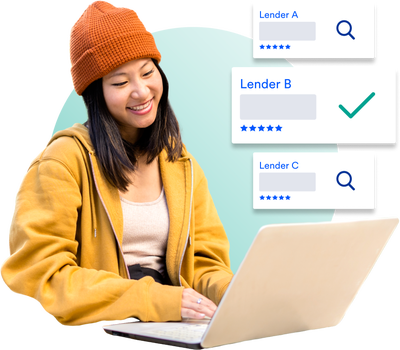
Most lenders show one rate: theirs. We show offers from multiple lenders competing for your loan, so you can compare and find a better one.
Answer a few quick questions so lenders can show rates tailored to you, not generic numbers.
See your top offers and choose which lenders to hear from — only those lenders will contact you.
While significantly higher than the pandemic-era lows, mortgage rates in Washington state have recently shown some signs of stabilizing and even slightly decreasing.
Refinance rates in Washington have been pretty steady lately, following the broader national trend of modest stabilization. Still, the right time to refinance will depend on the rates you qualify for, as well as your individual goals and needs. If you’ve been a homeowner for some time and are looking for a way to pay for a major purchase, a cash-out refinance could help you achieve your goals.
| Product | Interest Rate | APR |
|---|---|---|
| 30-Year Fixed Rate | 7.38% | 7.44% |
| 15-Year Fixed Rate | 6.79% | 6.89% |
| 30-Year Fixed Rate FHA | 7.16% | 7.20% |
| 30-Year Fixed Rate VA | 7.12% | 7.18% |
| 30-Year Fixed Rate Jumbo | 7.47% | 7.50% |
| 3/1 ARM Rate | 6.20% | 6.97% |
| 7/1 ARM Rate | 6.39% | 6.86% |
Rates as of Tuesday, October 27, 2026 at 6:30 AM
Washington’s housing market is dominated by the pricey properties in the Seattle region, but homes in the eastern part of the state are less expensive. Here are some statistics about mortgages and the housing market in the Evergreen State:
If you’re looking to get a mortgage in Washington, there are several options:
In Washington, qualifying first-time homebuyers have access to a variety of programs and educational opportunities, including:
Long before you start looking for a mortgage lender or applying for a loan, give your finances a checkup, and improve your credit score if needed.
To find the right mortgage, you’ll need a good handle on how much house you can afford.
There are a few different types of mortgages.
Rate-shop with at least three different banks or mortgage companies to find the best deal.
Getting a mortgage preapproval is the only way to get accurate loan pricing for your specific situation.


We appreciate your feedback
Thank you for taking the time to share your experience.