Vices like drinking, smoking and gambling cost Americans more than $2,400 per year


Going out for drinks a few nights a week may not seem like much of a big deal. But in the long run, indulging a little too much can spell trouble for your finances.
Bankrate analyzed the spending habits of everyday Americans. In total, survey respondents (who revealed their household income and said they purchased the products included in the study) reported spending more than $2,400, on average, per year on lottery tickets, alcohol, tobacco (or e-cigarette products) and gambling. Overall, spending on these activities relative to income tends to be a bigger problem for those who struggle the most financially.
Key findings:
- The lowest earners spend a larger percentage of their annual income on gambling, alcohol, tobacco (or e-cigarette products) and lottery tickets than higher earners.
- There’s a strong correlation between spending on the vices included in the analysis with age and gender.
- Drinking, smoking and playing the lottery are more costly for millennials than they are for Gen Xers and baby boomers.
- With the exception of tobacco, men spend more on the financial vices included in the study than women.
Playing to strike it rich
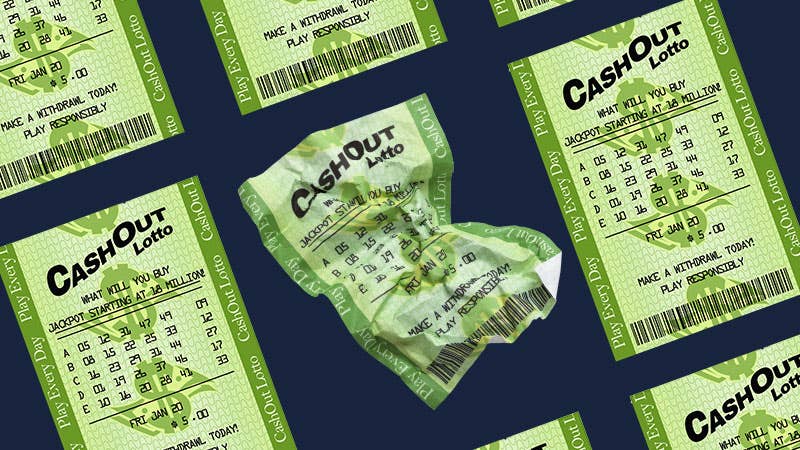
In 2016, lottery sales in the United States reached $80.5 billion, according to the North American Association of State and Provincial Lotteries. The odds of winning are slim to none, but residents of states across the country continue to drain their checking accounts and buy tickets.
According to Bankrate’s study, households in the lowest income bracket (earning under $30,000) spend 13 percent of their annual income on lottery tickets. That’s significantly higher than the amount spent by those bringing home fatter paychecks. The highest earners spend just 1 percent of their annual household income when playing the lottery.
Men who reported their annual income spend a greater proportion of their earnings on lottery tickets than women (6 percent vs. 3 percent, respectively). And non-parents spend a greater proportion of their income on lottery tickets than parents of children of any age.
Among millennials who play the lottery (and reported their annual income), an average of $976 is spent each year. Compared to members of other generations, only the oldest Americans spend more ($3,832, on average). These aren’t small amounts of money, especially considering how many people struggle to save and prepare for the unexpected or achieve other financial goals.
“If you’re carrying credit card debt or not saving 15 percent of your income for retirement and emergencies, then kick the gambling and lottery ticket habits and put that money to work for you rather than throwing it into a wishing well,” says Greg McBride, CFA, Bankrate chief financial analyst.
Gambling away savings
Gambling is a bigger problem for baby boomers than it is for members of other cohorts. Among respondents who gamble (and reported their annual income), adults between the ages of 55 and 73 spend $2,913 per year, on average. Younger baby boomers (ages 55 to 64) spend more than their older counterparts ($3,900 vs. $1,212, on average, respectively).
There are also regional differences in spending on activities like gambling. Southerners wager more money while gambling than anyone else in the country ($3,470 per year, on average).
Compared to women, men spend twice as much on gambling annually ($1,399 vs. $2,642, respectively). And surprisingly, four-year college graduates wager more money annually, on average, when visiting casinos, playing fantasy sports and betting on sports games than their less-educated peers.
Blame it on the alcohol
Alcohol is another item men spend more money on each year. Out of all the financial vices included in Bankrate’s study, only tobacco and e-cigarettes are slightly more costly for women. Annual spending on these products, on average, (among respondents who reported their annual income) amounts to $1,979 for women and $1,836 for men.
Millennials spend more money annually ($1,741, on average) on alcoholic beverages than Gen Xers and baby boomers. But their grandparents spend the most ($7,982 per year, on average).
And as is the case with lottery tickets, Bankrate data indicates that drinking and smoking disproportionately eat up more of the earnings of the poorest Americans. For those earning less than $30,000 per year, alcohol and tobacco (or e-cigarette products) consume 11 percent and 13 percent of their income, respectively.
“The rich drink about as much as the poor — it just turns out that as a percentage of your income, it gets radically different, right?” says Victor Matheson, an economics professor at the University of Minnesota.
“Because if the rich have incomes that are 20 times as high as the poor, even if they drink roughly about the same amount — and actually the rich spend more dollars, even if they don’t drink as much and even if they drink roughly the same alcohol content, they spend more because they drink more expensive and fancier stuff. But it’s the fact that people’s incomes are so radically different.”
Set financial priorities
We all have our vices — activities we engage in to treat ourselves or blow off some steam. In moderation, these habits — though perhaps unhealthy — may have very little impact on our financial lives. These vices, however, can easily become expensive.
Whether it’s for the holiday season or everyday use, it’s important to have a budget. This should take your financial plan into consideration and determine which expenses are necessary. It’s best to leave room in your budget for discretionary spending like buying alcohol, gambling and purchasing lottery tickets. That way, you’re not spending money frivolously that you could be setting aside for your first home or using to cover your child’s college expenses.
It’s also best to earmark income you’re planning to save before deciding how much you can afford to splurge.
“One of Warren Buffett’s famous adages speaks to ‘saving first, then spending’ rather than the other way around,” McBride says. “Automating your saving and sticking to a rigid debt repayment schedule will allow you to indulge your vices guilt free. It’s not about quitting altogether – unless that is your goal – but prioritizing so your vices don’t stand between you and financial security.”
Methodology
Bankrate’s survey includes details reported by a total of 3,829 adults. The highlighted data, however, is based on the responses of the 2,377 participants who opted to share their annual household income. The survey was conducted between Oct. 3 and Oct. 8, 2019.
Why we ask for feedback Your feedback helps us improve our content and services. It takes less than a minute to complete.
Your responses are anonymous and will only be used for improving our website.

You may also like


The average American household budget