
Mortgages without the overpaying
On Bankrate, lenders compete for your loan. Every offer is generated by 100+ mortgage lenders bidding for your business in real time — so whether you’re buying, refinancing, or tapping your equity, you see the rate the market actually offers.


- $73k
Average saved by Bankrate mortgage users over 30 years.
- 600+
Banks and credit unions surveyed annually.
- 99.7%
Bankrate offers beat 99.7% of banks and credit unions

Our tools, your decision
All calculatorsMortgage calculator
Find out what your monthly payment will actually look like.
Amortization calculator
See how much of your payment goes to interest.
Interest-only mortgage calculator
See what you’re paying now versus what you’ll owe later.
Debt-to-income ratio calculator
Compare what you owe each month to what you earn.
Mortgage refinance calculator
See whether refinancing would save you money.
9 out of 10 homebuyers overpay for their mortgage.
We analyzed 3.2 million mortgage originations — the largest independent study of its kind. The typical borrower overpays by $3,363 a year, not because better rates don’t exist, but because lenders have no reason to offer them unless they have to compete. Bankrate exists to change that.
Explore the data


$3k+
In avoidable annual costs for the typical borrower
$78k
In excess costs over the life of the loan
$65B
Drained from U.S. households by above-market rates
Featured by names you know and trust


The latest

Three homeowners who scored lower mortgage rates — and how they did it
Buying a home is as much about life as it is about math. Recent Bankrate research shows Americans overpay on mortgages by $65 billion a year. But three homebuyers — Maameefua Koomson, Sean Stoyanowski [...]
June 30, 2026

Home equity loan rates tick lower, HELOC rates stand pat
HELOC rates held steady, while home equity loan rates fell a bit.
June 24, 2026

Mortgage rates hold below 6.5% as inflation wild card looms
Mortgage rates held steady this week along with inflation, remaining just below 6.5%.
June 24, 2026
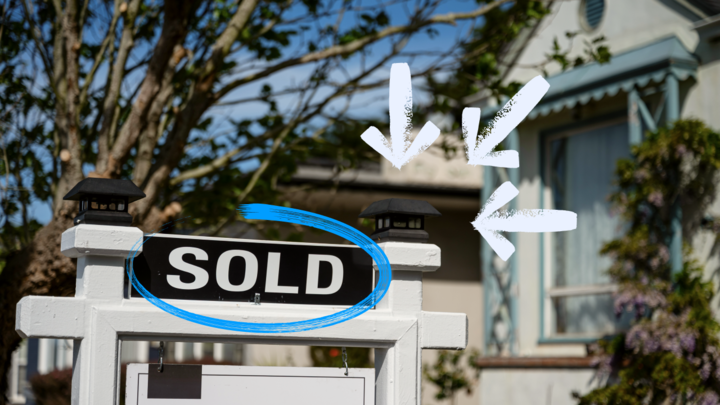
Mortgage loan professionals are paid to close — not to get you the best rate
In a typical homebuying process, you’ll work with a pleasant and helpful mortgage loan professional. But you should know they might not have any obligation to make sure you get the lowest rate or best [...]
June 23, 2026

3 traps the mortgage industry doesn’t want you to know about — and how to avoid them
The mortgage industry has ways to keep you from shopping around or getting the best deal. Here’s how to avoid the traps.
June 22, 2026

Best mortgage lenders for bad credit in 2026
Here are some of the best bad credit mortgage lenders in 2025.
June 19, 2026