Best 0% intro APR credit cards of October 2026


Get personal card recommendations
Answer 5 simple questions and get matched with 0% intro APR credit cards from Bankrate's marketplace.
What’s your main goal with a 0% intro APR credit card?
Filter by
If there's a better card out there, it's probably here
We cover 90%+ of U.S. credit card accounts. So when you compare on Bankrate, you're seeing almost everything the market has to offer.
Showing 11 results
Best for custom categories

Intro offer
$200
Rewards Rate
1% - 6%
Annual fee
$0
Regular APR
17.74% - 27.74% Variable APR on purchases and balance transfers
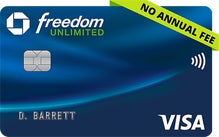
Why you'll like this: It’s an ultra-flexible card thanks to its intro APR and mix of cash back categories, which you can swap out once per calendar month.
Reward Details
What you should know
Card Details
on Chase's secure site
See Rates & FeesPurchase intro APR
0% Intro APR on Purchases for 15 months
Regular APR
18.49% - 27.99% Variable
Intro offer
Earn $200 cash back
Rewards rate
1.5% - 5%
Why you'll like this: It combines a fair intro APR offer with a high base rewards rate and a handful of boosted categories.
Reward Details
What you should know
Card Details
Purchase intro APR
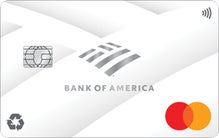
0% Intro APR for 21 billing cycles for purchases
Regular APR
15.24% - 26.24% Variable APR on purchases and balance transfers
Intro offer
N/A
Rewards rate
N/A
Why you'll like this: It offers a chance at one of the lowest ongoing APRs available on a balance transfer card.
What you should know
Card Details
on Wells Fargo's secure site
See Rates & FeesPurchase intro APR
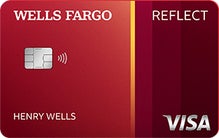
0% intro APR for 21 months from account opening on purchases
Regular APR
17.74%, 24.24%, or 28.49% Variable APR
Intro offer
N/A
Rewards rate
N/A
Why you'll like this: It pairs a best-in-class intro APR offer with a potentially low ongoing interest rate.
What you should know
Card Details
Best for rotating bonus categories

on Capital One's secure site
See Rates & FeesPurchase intro APR
0% intro APR for 15 months
Regular APR
17.74% - 26.74% Variable APR
Intro offer
Cashback Match
Rewards rate
1% - 5%
Why you'll like this: It blends a generous intro APR and welcome offer with long-term value from high rewards rates and category variety.
Reward Details
What you should know
Card Details
Apply with confidence
By applying, you can see if you're approved before impacting your credit
Best for everyday use
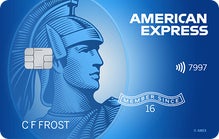
on American Express's secure site
See Rates & Fees, Terms ApplyPurchase intro APR
0% on purchases for 15 months
APR
19.74%-28.74% Variable
Intro offer
As High As $200 Cash Back. Find Out Your Offer.
Rewards rate
1% - 3%
Why you'll like this: It offers a solid intro APR and strong rewards rates for popular everyday spending categories.
Reward Details
What you should know
Card Details
Best for occasional travelers

on Capital One's secure site
See Rates & FeesPurchase intro APR
0% intro on purchases for 15 months
Regular APR
18.74% - 28.74% (Variable)
Intro offer
Earn a bonus of 20,000 miles
Rewards rate
1.25X miles - 5X miles
Why you'll like this: It's one of the only no-annual-fee travel cards that offers an intro APR and lets you transfer miles to airline and hotel partners.
Reward Details
What you should know
Card Details
Best for simple rewards
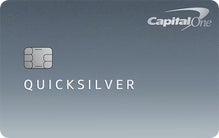
on Capital One's secure site
See Rates & FeesPurchase intro APR
0% intro on purchases for 15 months
Regular APR
18.74% - 28.74% (Variable)
Intro offer
Earn a one-time $200 cash bonus
Rewards rate
1.5% - 5%
Why you'll like this: Its streamlined rewards and solid intro APR offer make it a good starter cash back card.
Reward Details
What you should know
Card Details
Best for dining

on Capital One's secure site
See Rates & FeesPurchase intro APR
0% intro on purchases for 12 months
Regular APR
18.74% - 28.74% (Variable)
Intro offer
Earn $200 Cash Back
Rewards rate
1% - 8%
Why you'll like this: It offers high rewards rates in many everyday bonus categories with no annual fee and fair rates.
Reward Details
What you should know
Card Details
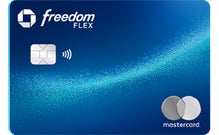
on Chase's secure site
See Rates & FeesPurchase intro APR
0% Intro APR on Purchases for 15 months
Regular APR
18.49% - 27.99% Variable
Intro offer
$250 bonus
Rewards rate
1% - 5%
Why you'll like this: This card's combo of year-round and rotating bonus categories gives it more ongoing value than other similar cards.
Reward Details
What you should know
Card Details
Best for minimal fees
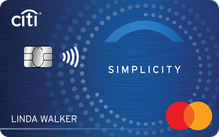
Balance transfer intro APR
0% for 18 months on Balance Transfers
Regular APR
17.74% - 28.49% (Variable)
Rewards rate
N/A
Annual fee
$0
Why you'll like this: It comes with one of the longest balance transfer offers on the market, and it’s one of the only cards that doesn’t charge late fees.
What you should know

Remove a card to add another to compare
Remove a card to add another to compare
Compare Bankrate's top 0% intro APR credit cards
| Our picks for | Ongoing APR | ||
|---|---|---|---|
Apply now on Bank of America's secure site | Custom categories | 15 billing cycles 0% Intro APR for 15 billing cycles for purchases | Regular APR: 17.74% - 27.74% Variable APR on purchases and balance transfers |
Shopping | 15 months 0% Intro APR on Purchases for 15 months | Regular APR: 18.49% - 27.99% Variable | |
Apply now on Bank of America's secure site | Low interest | 21 billing cycles 0% Intro APR for 21 billing cycles for purchases | Regular APR: 15.24% - 26.24% Variable APR on purchases and balance transfers |
Long intro APR | 21 months 0% intro APR for 21 months from account opening on purchases | Regular APR: 17.74%, 24.24%, or 28.49% Variable APR | |
Rotating bonus categories | 15 months 0% intro APR for 15 months | Regular APR: 17.74% - 26.74% Variable APR | |
Apply with confidence Hover to learn more on American Express's secure site See Rates & Fees, Terms Apply | Everyday use | 15 months 0% on purchases for 15 months | Regular APR: 19.74%-28.74% Variable |
Travel | 15 months 0% intro on purchases for 15 months | Regular APR: 18.74% - 28.74% (Variable) | |
Simple rewards | 15 months 0% intro on purchases for 15 months | Regular APR: 18.74% - 28.74% (Variable) | |
Dining | 12 months 0% intro on purchases for 12 months | Regular APR: 18.74% - 28.74% (Variable) | |
Category variety | 15 months 0% Intro APR on Purchases for 15 months | Regular APR: 18.49% - 27.99% Variable | |
 *Hover to learn more | Minimal fees | 18 months 0% for 18 months on Purchases | Regular APR: 17.74% - 28.49% (Variable) |



Determine your preferred category
Browse different categories, then decide which type of credit card is best for you: cash back, travel, balance transfer or no annual fee.
Find your match
Check out our best credit cards lists or provide some basic info to get personalized partner card matches through the CardMatch™ tool.
Choose to apply
Click through to the issuer’s direct site to apply for a new account and start earning rewards or building up credit.
What is a 0% intro APR credit card?
With a zero-interest credit card, you can get a 0% intro APR period on purchases, balance transfers or both. Offer lengths can vary, depending on the card, but they typically last anywhere from 12 to 21 months — sometimes longer.
This type of card can be a good choice if you’re planning a big purchase or paying off debt. It allows you to save on interest, whether it's by transferring a balance from an existing credit card to your new card or by delaying interest accrual on new purchases during the intro period.
Note that it’s possible to lose a 0% APR offer. For example, a card issuer can start charging you interest before the intro period ends if you skip a payment. And with a balance transfer card, you typically need to initiate the transfer within a certain timeframe (one to three months) to qualify for the zero interest offer.
How to choose a 0% intro APR card
The best 0% intro APR cards have well-rounded features to serve you during the intro period and beyond. While you're browsing introductory zero-interest cards, look for cards that have intro APR periods long enough to meet your needs, reasonable rates and fees and easily obtainable rewards.
-
Decide how long of an intro period you need.
The longest intro APR periods are usually between 18 to 21 months. If you need extra time to pay off your balance, consider getting a card with the longest period possible. A long intro APR period will give you a lot of breathing room to go with the spending power you’ll get with your new card. At the same time, if you can pay off the balance in a shorter period, look into rewards cards. Some of them come with 12 to 15 months of 0% APR but also offer better long-term value through rewards.
-
Pay attention to fees.
Avoid cards with annual fees, foreign transaction fees or other high fees that can increase your balance. If you want to transfer a balance, look for cards with low balance transfer fees.
-
Consider rewards and long-term value.
While you're using the intro period (or after with a balance transfer card), you could also earn rewards and a welcome offer with the right card. You'll sacrifice a few months of the intro offer, but the card will have long-term value from cash back, points or miles. But be honest with yourself: when the goal is to avoid interest or pay off debt, it should be a priority. Be sure you’re giving yourself enough time without interest to achieve your goals before you think about what comes after.
Pros and cons of a 0% intro APR card
While a 0% intro APR credit card can be an excellent tool in many situations, it also comes with certain drawbacks and risks. Here are some benefits and disadvantages you should consider.
Pros
-
A zero-interest period allows for substantial savings. The average credit card interest rate is close to 20%, according to Bankrate’s data, which makes card debt especially costly. With a 0% APR offer, you can avoid these costs for a while.
-
A 0% APR card can give you some budget flexibility when you’re planning a big purchase.
-
Some 0% intro APR cards also offer rewards, meaning they provide value even after the promotional period expires.
Cons
-
This type of card typically requires good or excellent credit (or a FICO score of 680 or higher). If you have high card balances, your credit score might not be in the best shape, making it challenging to get approved.
-
It requires discipline to manage a 0% APR card well. You need to have a repayment plan and stick to it to avoid debt.
-
Cards with the longest intro offers typically don’t have much to offer once 0% APR expires.
How much can you save with a 0% intro APR card?
Credit card interest is the cost of borrowing money if you don't pay your balance in full each month. At the end of each billing cycle, the credit card issuer calculates your interest charges using your average daily balance, current balance, annual percentage rate (APR) and the number of days in the billing cycle.
Let's say you open an 18-month 0% intro APR card for a $3,000 purchase. Bankrate’s credit card payoff calculator shows that an 18-month 0% intro APR offer on new purchases could save you nearly $500 in interest on a $3,000 purchase, compared to a card with no intro APR offer and 20% interest.
| APR | Balance after new purchases | Monthly payment | Total interest | Total amount paid |
|---|---|---|---|---|
| 20% for 18 months | $3,000 | $194 | $497 | $3,497 |
| 0% intro APR on purchases for 18 months | $3,000 | $167 | $0 | $3,000 |
How did Bankrate staff use their intro APR offers?
Bankrate staff insights
"My son's tuition is one of my largest expenses of the year. Since I get a discount for paying it all at once, I like to use an intro offer zero-interest credit card to pay the expense and take advantage of the time I have to pay it off incrementally. I can often stack these intro offers with rewards and a welcome bonus to make the deal even better for myself."
 Ryan Flanigan, Former writer, Credit Cards
"This may only make sense to me, but I use intro APR offers to lessen the mental ‘blow’ of large purchases. Though I don’t make any purchases I can’t immediately pay off, it never feels good to see a big chunk of money go out of your account. With an intro APR, I can pay off a large purchase in chunks and feel a little less anxiety about it — even if the total amount is no different. It’s just a mental trick that makes life easier for me. A $1,000 car repair is easier to stomach if I think of it as $100 for 10 months than a one-time lump sum of $1,000."
 Nouri Zarrugh, Former editor, Credit Cards
"Shortly after I bought a car, I applied for the Citi Custom Cash® Card* because it had an introductory APR offer I wanted to take advantage of alongside my new car loan. I used the card to buy groceries and, occasionally, gas. I never had a loan before, so making car payments was new to me. I wanted to get it over with as quickly as possible, or at least get far enough ahead on the loan that I could trim the overall interest I would pay on it. The intro APR gave me a safety net while I managed a new monthly car payment. I also recently opened a new card with a welcome offer and introductory APR on new purchases to buy a new office chair. I've been whittling away at the balance and enjoying the comfort that comes with an ergonomic chair!"
 Brendan Dyer, Former writer, Credit Cards
How to best use a 0% intro APR credit card
Zero-interest intro period cards are great for splitting large purchase payments over time. You can also use them for consolidating current card debt, but you might find better options for that among our best cards for balance transfers.
Here are some situations you might find yourself in that could make a 0% intro APR card a great choice:
| Common ways to use a 0% intro APR card | Benefits | Potential risks |
|---|---|---|
| Home projects and emergency repairs | You can put the entire cost of the project on the card and pay it off over time, potentially even earning rewards. | Such projects often come with unexpected costs, which might result in hitting the card’s limit before you expect it. |
| Medical expenses | An introductory 0% interest card can help you carry your regular expenses as a balance so you can allocate more of your cash to medical bills. | Make sure you don’t put your medical expenses on your credit card as you’ll lose some important protections. Instead, use it for your everyday spending as you’re paying down your medical bills. |
| School expenses and childcare | Introductory no-interest credit card offers can help you pay these costs on your own terms, especially if payment plans aren't available. | Schools and childcare providers often charge convenience fees for credit card payments. |
| Large purchases | A 0% APR card can safeguard your liquidity by letting you pay off the purchase over time without interest. | You might get stuck in a debt loop if you keep charging your card after the initial large purchase before you fully pay it off. |
Common mistakes to avoid with a no-interest intro period
Zero-interest intro period cards have several benefits, but there are pitfalls to keep in mind as you navigate your debt repayment:
- Not paying on time: Always pay at least the minimum balance due on your statement every month. You need to avoid late payments, otherwise your issuer may revoke your offer. Plus, a late payment is a huge hit to your credit that will stay on your credit reports for seven years.
- Not understanding the terms: Your card will offer an intro APR on purchases, balance transfers or both. Don’t make new purchases on a card that only has an intro APR for balance transfers or vice versa, unless you plan to pay that balance off right away.
- Spending beyond your credit limit: Keep your balance as close to 30% or lower of your total available credit to avoid damaging your credit score.
- Carrying a balance at the end of the offer: If you want to avoid interest charges, you’ll need to pay off your balance by the time your introductory APR period ends. Credit card debt is an expensive kind of debt, and it’s extremely easy to get caught up in it once you start carrying a balance.
- Not redeeming cash back: Rewards and cash back present an opportunity to reduce your balance. Redeem cash back as a statement credit whenever possible.
- Missing the balance transfer window: If you're using a zero-interest intro APR card to pay down debt, make sure you transfer your balance to it within the specified time, or you'll miss out on your offer.
- Forgetting about balance transfer fees: Remain wary of any fees you’ll owe when you transfer a balance. This fee might still be lower than what you would pay in interest, but calculate what you’ll owe beforehand to avoid sticker shock.
- Spending after a balance transfer: If you keep adding debt to a credit card after transferring a balance from it, you’re not reducing debt — you’re adding to it. Balance transfer as a debt consolidation method only works if you don’t make new purchases while you’re paying off the existing balance.
Frequently asked questions about 0% intro APR credit cards
Next steps in your credit card journey
Best travel credit cards with 0% intro APRs
See our selection for this category
What happens when your 0% intro APR period ends?
Know what comes after the intro period ends
What is deferred interest and is it worth it?
Beware of these types of intro offers
How a new credit card can fight inflation
A new card could help combat high prices
Meet the Bankrate Experts

- NACCC Certified Credit Counselor (2025)
- Credit cards
- Loans

How we choose the best 0% intro APR credit cards
Bankrate’s credit card expertise
250
cards compared
50
rewards programs evaluated
189
cards in our wallets
118
years of industry experience
We select cards for “Best” credit cards pages based primarily on how cards score in our proprietary card rating system, our editors’ subjective assessment of card quality, card approval odds and credit requirements and unique card features.
Cards typically must score a minimum of 3.0 stars to be included on a “Best” list. However, we may include cards with scores below 3.0 if they have low credit requirements or unique features — despite their scores, these cards may still be among the “best” in certain categories. Card ratings are not influenced by advertisers or issuer relationships in any way.
Card selection and ordering may vary based on business considerations, including Bankrate visitor interest, site interactions and card application volume. Affiliate commissions (see how we make money), limited-time offers and a card’s general popularity in the product landscape may also influence which cards we feature on our pages and the order in which they appear. Bankrate’s editorial and business teams also strive to feature a variety of card types from various issuers.
For balance transfer and low-interest cards, our scoring breaks down as follows:
-
Rates and fees 80%
-
Perks 10%
-
Customer experience 10%
For rewards cards, the breakdown looks quite different:
-
Value 65%
-
Flexibility 15%
-
Perks 15%
-
Customer experience 5%
We analyzed over 100 of the most popular zero-interest cards and scored each based on its introductory APR, intro APR period length, ongoing APR, balance transfer fee, perks and more to determine whether it belonged in this month’s roundup.
Here are some of the key factors that we considered:
Have more questions for our credit cards editors? Feel free to send us an email, find us on Facebook, or Tweet us @Bankrate.
For Capital One products listed on this page, some of the benefits may be provided by Visa® or Mastercard® and may vary by product. See the respective Guide to Benefits for details, as terms and exclusions apply.
*The information about the Citi Simplicity® Card and Citi Custom Cash® Card has been collected independently by Bankrate.com. The card details have not been reviewed or approved by the card issuer.