Follow Us: Google+
 
Bankrate.com

savings

7 tips for choosing a health savings account

Stethoscope laying on money
Highlights
  • Health savings accounts can be used to pay medical costs or invest savings.
  • Fees may be monthly, transaction based, behavioral -- or all three.
  • Convenience, fees, record keeping and security are four factors to consider.

A health savings account, or HSA, is exactly what the name implies: a financial account that can be used to save money for future medical expenses. These accounts, combined with a high-deductible health insurance plan, also offer certain income tax breaks that make them even more attractive.

But which health savings account offers the best deal?

The answer depends in part on how the account will be used, according to Liz Ryan, senior vice president of the health benefit services group at Wells Fargo in Minneapolis. Most people fund an HSA and then use the money to pay for recurring or occasional medical costs either immediately or over time. But some use an HSA to accumulate savings for anticipated medical costs far in the future.

"Are you going to use the account to pay for medical expenses in the current year or to set aside (money) to invest?" Ryan asks.

Either way, it's a good idea to shop around for a health savings account. Banks, credit unions, insurance companies and other financial institutions, referred to as "administrators" or "custodians," offer HSAs, and each has its own policies and fees.

Here are seven factors to consider:

1. Convenience

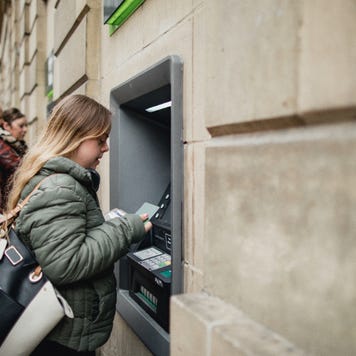
Some HSA custodians are big banks that have a network of branches and automated teller machines, or ATMs, across the country. Others are smaller institutions or online banks that don't have branches or ATMs, but interact with customers only via mail, a telephone call center or website. Customers who like to talk to a live person should find out what days and hours the branch or call center is open before they open an account.

2. Access

Most HSAs offer checks or a debit card. Ryan is a fan of the latter because it can be used at the point of purchase or point of care to pay directly for medical products or services.


advertisement

Some older health savings accounts require disbursement and reimbursement forms, which can be a hassle for consumers and cause delays in payment, according to Kirk Hoewisch, president of HSA Bank in Milwaukee.

"Some of our competitors -- it's easy to put money in and hard to take it out. They don't offer checks or debit cards. It's not as common as it used to be, but still exists," he says.

Show Bankrate's community sharing policy
            Connect with us
Compare Checking Rates


advertisement
Most Read
  1. 8 eerie ghost towns
  2. Headlight requirements by state
  3. Nick Nolte's house for sale
  4. 6 tips for successful yard sale
  5. Social Security traps to avoid
  6. 7 sedans for the young at heart
  7. 10 cars for a midlife crisis
  8. Ali Landry's house for sale
  9. 7 Social Security benefits
  10. 5 car models that lose value
Savings Overnight Averages
Product Yield +/- Last week
MMA
0.48% 0.49%
$10K MMA
0.47% 0.48%
MMA jumbo
0.61% 0.62%
Interest checking
0.51% 0.51%
Compare rates:
Don Taylorsavings
You've matured, but maybe not those savings bonds you received as a kid.
advertisement
Partner Center
advertisement

Advertising Disclosure: Bankrate.com is an independent, advertising-supported comparison service. Bankrate may be compensated in exchange for featured placement of certain sponsored products and services, or your clicking on links posted on this website.