12 ways to save money on groceries: Bankrate experts’ best tips


Key takeaways
- Creating a shopping list and meal plan, researching the cheapest grocery stores in your area and joining rewards programs before you shop can help you save money.
- Buying items in bulk, on sale and in season can also provide some relief to your wallet.
More than half (53%) of American adults say the cost of groceries is a major source of stress in their life, according to a July survey by the Associated Press and NORC. With prices up dramatically since before the pandemic, tariffs increasing imported food costs and avian flu pushing egg prices up, it’s no surprise. You probably already know the standard advice, like buying generic versions of products and shopping the bulk bins, but that’s not always enough. Bankrate’s writers and editors are battling our grocery bills, too, so we’ve rounded up some of our favorite strategies for saving.
1. Make a shopping list and meal plan
Make a list and stick to it. This is especially useful when shopping with two young kids who want to grab everything. Maybe allow one extra treat per shop.— Ted Rossman, senior Bankrate industry analyst
Rossman advises building a meal plan that takes into consideration:
- What’s for sale
- What ingredients you can repurpose across multiple meals
- What’s in season
Then, shop only for the ingredients you need for those meals, plus pantry staples you know you need to restock.
2. Avoid impulse purchases
Even with a shopping list in hand, it’s hard to resist the siren song of a little treat. Try:
- Shopping with a full stomach: It makes the checkout aisles’ drinks, chips and candy bars less tempting.
- Shopping alone: Have your household members add their requested items to the list in advance.
- Opting for curbside pickup: In addition to being a time-saver, this service also keeps you out of the aisles entirely. However, watch out for fees.
3. Get flexible on ingredients
If you’re a confident home cook, put your skills to use by finding lower-cost swaps for ingredients recipes suggest.
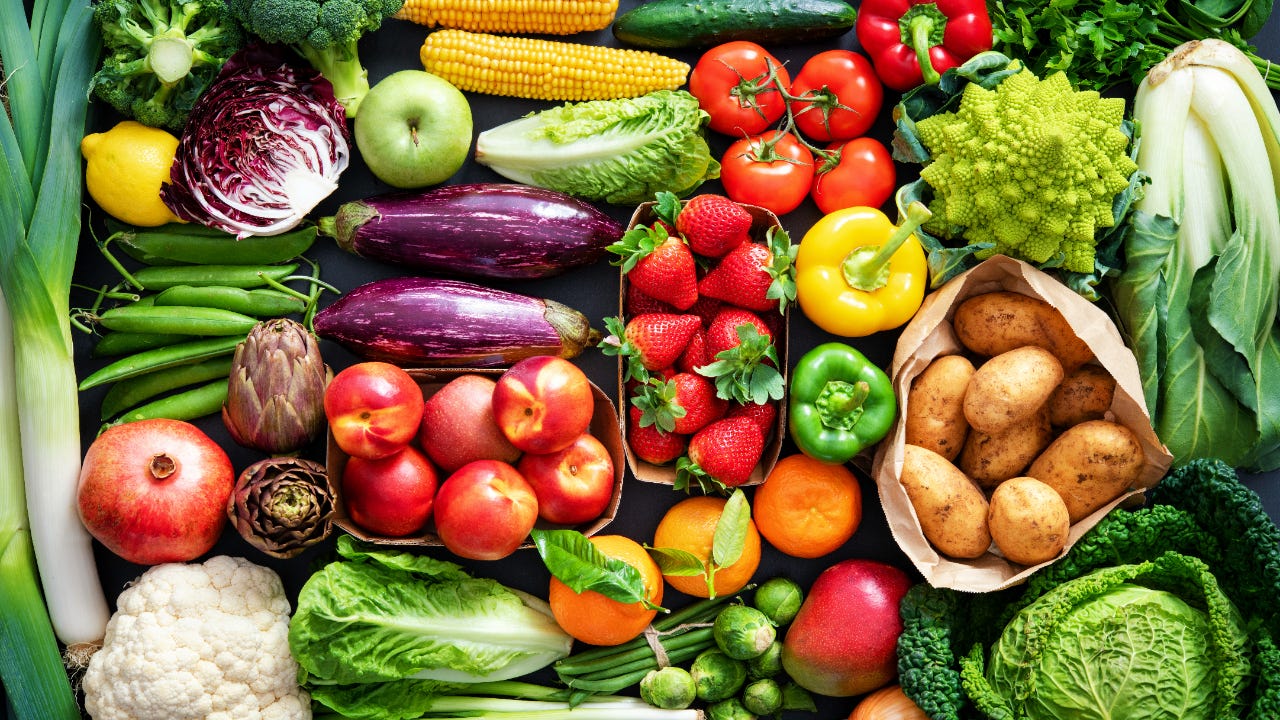
“I like to try new recipes, but some of them demand specialty ingredients that cost too much and just aren’t necessary. For example, Romanesco broccoli might look cool, but regular broccoli or cauliflower will likely taste just as good,” says Bankrate editor Pippin Wilbers. “And I rarely ever use chicken breasts — thighs are cheaper per pound and tastier, too.”
And don’t fear the freezers. A 2017 study found that frozen fruits and vegetables are just as nutritious as their fresh counterparts. They may be significantly cheaper, depending on the time of year. If you are simmering them until soft or cooking over high heat to develop a char, you might not even notice a textural difference.
Just remember that you may have to tweak cooking times or seasoning to compensate for substitutions.
4. Pay with a grocery rewards card
Grocery rewards credit cards offer cash back or points on purchases at the supermarket. The best grocery rewards cards offer 3% to 6% cash back. Just be sure you pay off your credit card bill in full each month to avoid paying interest on your balance, and be aware of annual fees, too. Two of Bankrate’s credit card experts share their favorites.
I use the Blue Cash Preferred from American Express to effectively lower my grocery bills by 6% (the card gives 6% cash back at U.S. supermarkets up to $6,000 in annual spending, then 1% after that; the annual fee is $95 [after the first year])— Ted Rossman, senior Bankrate industry analyst
I personally never go into a grocery store without my American Express Gold Card®. The card earns 4X points on U.S. supermarket purchases (on up to $25,000 per calendar year), which I then love to redeem for travel. So while I may not get a direct discount at the check-out line, my points can help pay for future flights.— Madison Hoehn, Bankrate editor
But be aware that some grocery rewards cards exclude big box stores and wholesale clubs, such as Walmart and Costco, from their high-earning bonus categories. That’s a big drawback, since these stores often have the best prices by far. If you do most of your grocery shopping at these types of stores, check out the best credit cards for wholesale clubs instead.
5. Avoid buying non-grocery products at the grocery store
Many people buy household products at the grocery store without realizing how much they’re likely overpaying for those items. You can often find hygiene products for less at places like Walmart, Target and Amazon.
6. Use your math skills
Dust off your calculator, or the calculator app on your phone. In addition to tracking your total costs in a given shopping trip before you reach the checkout, a calculator can help you find deals.
My mom showed me how to compare price per ounce on grocery store tags as a teenager, and it's a habit that stuck. It helps you know which product is the most bang for your buck and how much you save by buying in bulk.— Madison Hoehn, Bankrate editor
That said, absolute price matters, too. If you’re buying a perishable item and suspect you won’t be able to finish a larger amount that costs less per ounce, buying the smaller volume might still make the most sense.
7. Find the right frequency
The more time you spend at a grocery store, the more opportunities you have for impulse buying. However, if you find ingredients spoiling before you have a chance to use them, that’s also a waste of money. Find a happy medium — and if you find yourself revisiting the store for a forgotten ingredient, get in and out without wandering the aisles.
8. Join grocery store loyalty programs
Plenty of grocery stores have free loyalty programs you can sign up for that will earn you points and send you coupons, often integrated into the store’s app. “Download your grocery store’s app for digital coupons,” Rossman advises. “I can often stack additional discounts on top of store promos and my rewards credit card.”
Many stores, such as Kroger and its offshoot brands, also offer discounts exclusively for loyalty members.
9. Buy in bulk and freeze the extras
Some foods are significantly cheaper when purchased in bulk. So for foods that you are able to freeze, consider buying in large quantities and freeze what you don’t need right now.
This practice can be especially useful during sales. For instance, you may find a deal that applies when you purchase two loaves of bread. Rather than trying to use it all at once, freeze the spare for later. Wholesale clubs like Costco and Sam’s Club tend to offer lower prices for bulk items compared to what you’d get if you bought the same amount at regular grocery stores.
10. Try international grocery stores
Wilbers loves exploring international grocery stores, from the big chains like H Mart to small family-run joints, and not just because he likes trying new foods. “I sometimes find surprising deals on produce or meat, as well as bulk staples like beans and rice,” he says. Use a translation app, such as Google Translate, if you’re nervous about misreading labels.
11. Avoid premade foods
Mark Hamrick, Bankrate’s senior economic analyst, advises shopping for ingredients rather than packaged premade foods. “Stores are savvy in offering ready to cook as well as prepared foods that are time savers for consumers,” he says. “But the labor you employ in the kitchen can help save you money. Try to avoid the temptation of buying prepared foods which cost more because of the labor required by the store selling it.”
12. Visit a food bank
Food banks exist to help families and individuals who are struggling to afford food. If that’s you, you likely qualify for free food at a local food bank. Some restrict eligibility based on age, income and whether you qualify for federal or state programs such as SNAP and WIC. Others will share food with anyone who asks. You may even receive fresh produce, especially during warmer months.
Apps for grocery savings
In addition to the tips above, there are also many apps that can help reduce your grocery bill. You can often find grocery discounts and coupons or cash back via apps that help you save money on food. Some of these apps include:
- Ibotta
- Flipp
- Coupons.com
- Your store’s specific app
Why we ask for feedback Your feedback helps us improve our content and services. It takes less than a minute to complete.
Your responses are anonymous and will only be used for improving our website.