Checking
Maximize your checking: Compare high-yield checking accounts, no-fee checking accounts and more.
Explore checking basics

From no fees to online bill pay, here are the must-have checking account features.

If you overdraw your account frequently, then overdraft protection could be a good way to avoid hefty overdraft fees.

Checks aren’t as ubiquitous as they once were, but you may still have to write one.
Get started with a checking account
Checking
Available balance vs. current balance
Learn about the two separate balances you may see when looking at your bank account.
Checking
Checking account fees
Learn about the different kinds of checking account fees and what you can do to avoid them.
Checking
Bank account alerts to protect your money
Explore the types of bank account alerts you can set up to help you stay informed about your finances whenever and wherever you are.
Experts in all things banking
Our expert reporters and editors bring the news and analysis you need—backed by data and firsthand experience.
About Bankrate
Bankrate Financial Analyst

Principal U.S. Economy Reporter

Senior Economic Analyst
Compare top-rated banks


Learn more







- Introduction to Checking Accounts
Spend money, pay bills, write checks or make fund transfers with a checking account.
Check out the 13 different types of checking accounts.
Finding the account of your dreams comes down to knowing what you want and the features you value most.
Here are simple steps to take to avoid paying checking account fees.
Checks aren’t as ubiquitous as they once were, but you may still have to write one.
There are several ways to deposit a check — some are simpler than others.
Setting up direct deposit is typically easy and can save you a lot of time. Here’s how.

Latest articles

Spend money, pay bills, write checks or make fund transfers with a checking account.

Early access to direct deposited funds can make managing your budget a bit easier.
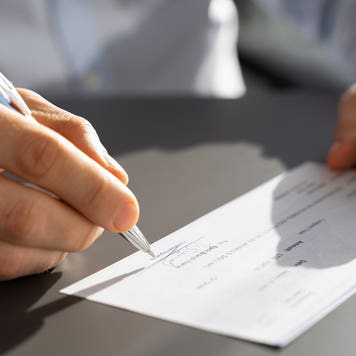
Checks aren’t as ubiquitous as they once were, but you may still have to write one.

From no fees to online bill pay, here are the must-have checking account features.

Here are simple steps to take to avoid paying checking account fees.
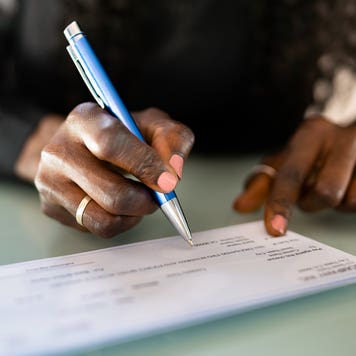
Consumers without a bank account face hurdles when trying to cash a check.
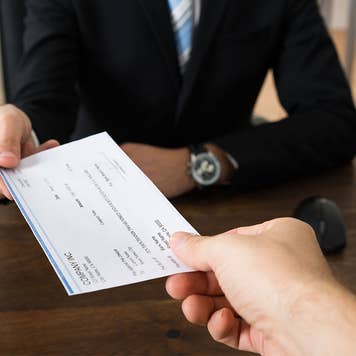
This old-school way of paying is still in demand. Here’s everything you need to know.
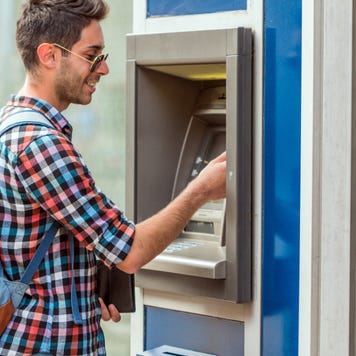
Over time, ATM fees have climbed. Here’s what you need to know.
Here’s everything you need to know about high-yield savings accounts.
Comparing savings rates can ensure you get the best return on your savings.
Big banks pay just 0.01% APY while online banks offer 4% or more. Your $10,000 could earn over $800 more over two years.

The best account to save your money will vary by your goal.

A savings account can be a great tool to teach your child about money. Here are a few of our favorites.

High-yield savings rates fluctuate over time. Let’s explore what causes that.

The top high-yield savings accounts are currently earning APYs of 5 percent and greater.

Savers can stash their cash in a brokerage these days to rack up returns.

Even the smallest of these big banks has enormously deep pockets.
Here’s everything you need to know about high-yield savings accounts.
Spend money, pay bills, write checks or make fund transfers with a checking account.
Comparing savings rates can ensure you get the best return on your savings.
Early access to direct deposited funds can make managing your budget a bit easier.

These credit unions offer great rates and top-notch features — and many make it easy to join.

The most impressive banks make it easy to interact both on old and new channels.

Check out the latest CD rates from Bankrate’s weekly survey of banks and thrifts.
The trusted provider of accurate rates and financial information