debt

3 ways to master a credit card

Steve Bucciq_v2.gifDear Debt Adviser,
I have been with a large national bank for approximately 50 years, with a checking account, savings account and a credit card. I have always paid on time and pay way more than the minimum required each month on my credit card. The problem is that I just received a notice from the bank that it's changing my fixed rate of 9 percent to an adjustable rate tied to some kind of index.

I called the bank and the people there said there's nothing I can do to change it, so evidently my good payment history doesn't count for anything. I am thinking about transferring the balance due to my credit union, that still only charges 9 percent. Can you give me any advice? Thank you.
-- Pauline

a_v2.gifDear Pauline,
It’s not about your credit history. It's about theirs! Many large banks have done such a poor job of managing their credit exposure that they now have to cut back customer lines and raise rates so they can stay in business. But before I let you put the blame for this situation completely on the bank's shoulders, I have to point out that you played your part as well.

I am going to give you the same advice that I would give anyone who is currently carrying a balance on a credit card, especially if it is a large balance. Pay it off as quickly as possible. As the Debt Adviser, it should come as no surprise that I am recommending getting rid of credit card debt. However, in our current tight credit environment, it is even more important than usual.

3 ways to master a credit card
  1. Transfer the debt to a lower fixed-rate account.
  2. Pay the account down fast.
  3. Don't carry a balance each month.

Card issuers and lenders in general have seen a huge and formerly profitable segment of their customer base go away. The old subprime market is no longer available to many lenders due to an aversion to taking on more high risks at low interest rates. As a result, many lenders are trying to generate as much income as possible from good customers to offset this lost customer segment and to counter losses from bad loans. So they are making changes to your account to increase profitability.

However, those changes often make it more difficult for consumers to afford to make payments, thereby causing more defaults and losses for the lenders. A real Catch-22! For example, as in your case, many issuers are moving to a variable interest rate that will fluctuate with whatever interest rate index it is tied to. Also, some issuers are raising the percentage of balance due for a minimum monthly payment to 5 percent of the balance. This switch to a variable from a fixed rate gets the bank around the opt-out provisions of the new credit card rules, so you can't just say "no thanks" and stay under the old rules.

My advice to you is to take whatever steps are necessary to pay down your balance quickly and, more importantly, not add to your balance. If your credit union is offering a credit card or other loan product with a fixed rate of 9 percent, then yes, I believe it would be a good idea to go ahead and transfer the balance. Be sure to read the fine print about transfer fees and minimum charges. Also, try to get a limit high enough on your new card so the balance transfer will be well below 50 percent of your credit limit. Utilizing more than 50 percent of your credit limit can hurt your credit score.

It's up to you whether or not you keep open a credit card account that you have with your large bank. From a scoring standpoint, it should not make a difference as the account will continue to be reported for years to come no matter what you do. Just make sure you pay the entire balance due when you receive the statement.

If you have been banking for 50 years, you probably don't need my last piece of advice, but I'm going to give it anyway. Credit cards were not meant to carry balances for long periods of time. Before you ring up a large purchase on your card, be sure you can pay it off in a set amount of time and then follow through. That way, changes in card terms won't be an issue for you in the future.

Good luck!

To ask a question of the Debt Adviser, go to the "Ask the Experts" page and select "Debt" as the topic. Read more Debt Adviser columns and more stories about debt management.

News alert Create a news alert for "debt"

advertisement

Home Equity Loan Rate Search

Compare local home equity rates
30K FICO-based HELOC average
5.27%
Home equity
This is the daily overnight average for a $30K HELOC.
Find the best home equity rates

Home Equity Loan Home Equity Line of Credit
Select a product:
Compare Home Equity Rates


advertisement
Home Equity Averages
Product Rate +/- Last week
30K HELOC
5.27%
5.29%
30K Home Equity Loan
8.33%
8.31%
50K HELOC
4.99%
5.02%
75K Home Equity Loan
8.14%
8.14%
View rates in your area:
debt
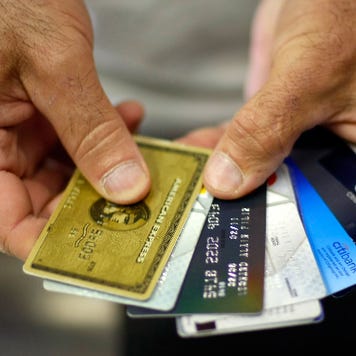
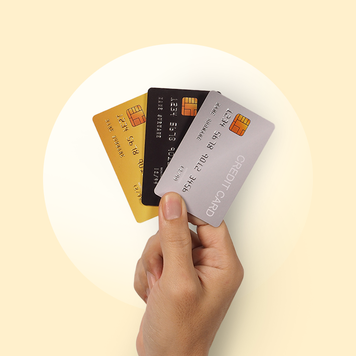
Don't walk away from your credit card with a high interest rate. It could hurt your credit rating.
advertisement
Smart Spending
Are you a champ at cutting costs? Enter your tip in our Frugal $ense contest to be eligible to win $100. There’s a new winner every month.
Is your bank safe? Now you can find out
Look up a bank, thrift or credit union by clicking one of the buttons below.
advertisement