Guide to chip and PIN credit cards
 Written by

 Edited by

 Reviewed by

The Bankrate promise
At Bankrate we strive to help you make smarter financial decisions. While we adhere to strict , this post may contain references to products from our partners. Here's an explanation for . The content on this page is accurate as of the posting date; however, some of the offers mentioned may have expired. Terms apply to the offers listed on this page. Any opinions, analyses, reviews or recommendations expressed in this article are those of the author’s alone, and have not been reviewed, approved or otherwise endorsed by any card issuer.
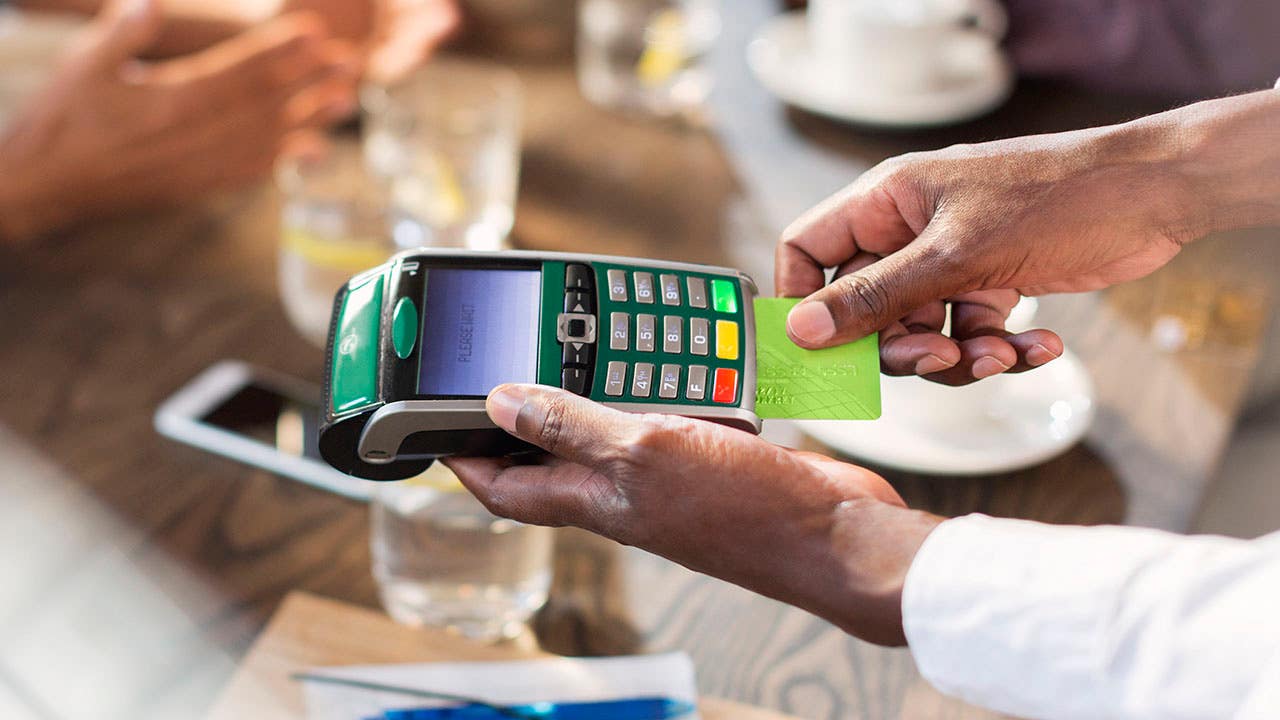
Paying for purchases with a rewards credit card has always been convenient, but you may have noticed some substantial changes in how your card is processed over the years. For example, where we once “swiped” our credit cards in a payment terminal to make a payment, we are now asked to insert our credit card—or “dip” our card—instead. In some cases, you may even be able to “tap to pay” with your credit card, which involves holding it next to the terminal so your card information can be accurately read.
In any case, the main driving force behind these changes is technology, including the introduction of chip and PIN credit cards. This guide explains everything you need to know about chip and PIN credit cards, how they work and why you may want to begin using them.
How do chip and PIN cards work?
Chip and PIN cards are named after three major credit card networks across the world—Europay, Mastercard and Visa (EMV)—and were first introduced in Europe in 1993.
Chip and PIN cards were developed as a way to reduce point-of-sale credit card number theft and skimming cybercrimes. And, as of Oct. 2015, all U.S. merchants were mandated to accept EMV cards or face potential liability for any credit card fraud originating at their establishment.
But, how do chip and pin credit cards work exactly? Instead of using the magnetic stripe on the side you once used to make a purchase, chip and PIN credit cards have a small metallic chip on the front that holds your payment data. This metallic chip is designed to reduce fraud, and it does so by providing a unique code for each purchase you make. Because the security code is unique for every purchase, it’s significantly more difficult for a thief to use your card for the purpose of fraud.
What is a credit card PIN?
A credit card PIN—also known as your personal identification number—is a four-digit code you can use to verify you are the person making a purchase with your chip and PIN credit card. You can pick your own PIN when you sign up for a chip and pin credit card, and you can also change your PIN at any time.
With a unique PIN that nobody but you knows, your transactions should be even less susceptible to fraud. After all, it’s fairly easy to forge a signature and walk away with merchandise at a payment terminal, yet hackers and thieves will have a difficult time guessing a four-digit code. Your chip credit card might not automatically come with a pin.
Can I get a PIN for my credit card?
Most credit cards with chip technology issued in the U.S. are considered “chip and signature” cards. This type of credit card comes with the added fraud protection of chip technology, yet you’ll be asked to provide a signature instead of a PIN when you use your card for purchases.
Some credit card issuers offer PIN capacity as well, meaning you can add a PIN to your card that doesn’t already have one. But if you want this added layer of protection, it’s up to you to call your card issuer to inquire.
Are chip and PIN credit cards safe?
Chip and PIN credit cards are significantly safer to use than their outdated magnetic stripe counterparts. This is due to the unique, encrypted code that is generated each time you initiate a transaction. This code allows your actual credit card number to remain concealed and makes any data derived from thieves during a transaction absolutely useless.
However, consumers should keep in mind that credit card transactions are already “safe” in terms of their liability. The Fair Credit Billing Act (FCBA) sets a limit of $50 in total liability for fraudulent credit card transactions made with your card, and liability is set at $0 for fraudulent transactions made with your card number. On top of that, the majority of credit cards have zero fraud liability policies that ensure you won’t pay a dime for purchases you didn’t make.
If someone uses your credit card or card number for fraudulent purchases, all you have to do is call your card issuer and report the fraud. From there, the fraudulent transactions are wiped from your account, and your issuer will take over the investigation from there. Additionally, you’ll be sent a new physical credit card, as well as a new account number to use.
Best credit cards with chip and PIN security for 2022
If you like the idea of having the best credit card security features out there, it’s smart to take a closer look at credit cards that have chip and PIN technology. Here are Bankrate’s top chip and PIN credit cards for 2022:
Chase Freedom Unlimited: Best overall
If you’re looking for a no-annual-fee chip and pin credit card, the Chase Freedom Unlimited® is hard to beat. With this Chase credit card, you’ll earn 5 percent cash back on travel purchased through Chase Ultimate Rewards, 3 percent cash back on dining, 3 percent cash back on drugstore purchases and 1.5 percent back on all purchases. If you frequently utilize rideshare services, you’ll get 5 percent cash back on Lyft purchases through March 2025. In the first year, you’ll earn an extra 1.5 percent cash back on everything you buy (on up to $20,000 in the first 12 months). That’s 6.5 percent on travel purchased through Chase Ultimate Rewards, 4.5 percent on dining and drugstores, and 3 percent on all other purchases.
Blue Cash Everyday Card from American Express: Best for groceries
The Blue Cash Everyday® Card from American Express is another no-annual-fee chip and pin credit card that lets you earn cash back on grocery purchases and other bills. This cash back credit card comes with a welcome bonus of $200 back after you spend $2,000 in purchases on your new card within the first six months of card membership. You will receive cash back in the form of statement credits.
You can also earn 3% cash back at U.S. supermarkets, U.S. gas stations and U.S. online retail purchases on up to $6,000 per calendar year in purchases in each category (then 1%), and 1% cash back on other purchases.. Just keep in mind that cash back earned with this card can be redeemed for statement credits to your account.
Bank of America Premium Rewards credit card: Best for travel
The Bank of America® Premium Rewards® credit card charges a $95 annual fee, yet the rewards and perks you receive can make it a good investment. You can start off earning 50,000 online bonus points ($500 value) when you spend $3,000 on your card within the first 90 days of account opening. You’ll also earn 2X points per $1 spent on travel and dining and 1.5X points per $1 spent on all other purchases. Additional benefits you can enjoy with this travel credit card include up to a $100 airline incidental credit each year, up to $100 in Global Entry or TSA Precheck credits every four years and no foreign transaction fees.
The bottom line
Chip and PIN technology may be fairly new in the world of credit cards, but it is definitely here to stay. However, you should take the time to compare the top chip-and-pin and chip-and-signature rewards credit cards since their benefits can vary. With some research, you can wind up with a credit card that has the best security features and the rewards and perks you want the most.


Related Articles



Two-factor authentication for your financial accounts — here’s how secure it really is