Car lease basics: What you should know before you sign



Key takeaways
- A car lease is a long-term rental contract for a new car, and you can choose to buy the car at a predetermined price or return it to the dealership at the end of the lease term.
- Leasing a car can come with lower monthly payments and the ability to upgrade to a new car every few years, but it also comes with mileage restrictions and extra fees for wear and tear.
- The main difference between leasing and taking out a car loan is that a loan leads to eventual ownership, while a lease essentially acts like an extended rental agreement.
Car leasing is a popular alternative to buying a car, especially for people who don’t want to commit to a long-term loan. The lease itself is a contract that allows you to drive a new car for a predetermined amount of time, after which you’ll return it to the leasing company or dealership. The contract stipulates that you’ll make periodic payments on the car until the lease ends, and you won’t own it at the end of the term unless you choose a lease buyout option.
However, lease agreements are often filled with specific jargon that first-time lessees may not be familiar with. Being familiar with the fees, car lease terms and the common restrictions of a lease agreement can help you determine if leasing a car is right for you.
What is a car lease?
A car lease is a contract that allows you to drive a new car for a set period — typically three years — after which you return it to the dealership. Like an auto loan, payments are made on a monthly basis, but you won’t build equity in the vehicle during the lease term. Still, it may be worth it if you want lower monthly payments or plan to drive a new car frequently.
The first sections of your car lease contract will likely be focused on what you are expected to pay as part of the deal, including how the monthly payment is calculated. Then it will provide information about early termination, mileage limits, end-of-lease options and more.
Most leases set a limit to your mileage, and you’ll owe extra fees if you exceed it. Like an auto loan, you will need to make a down payment when the contract starts and may be required to pay additional fees when the contract ends, including a disposition fee.
How does leasing a car work?
Before you decide whether leasing is right for you, you’ll need to understand exactly how it works. There are steps you should take before, during and after leasing to make the process as headache-free as possible.
Before the lease
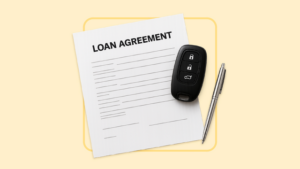
A car lease agreement is a legal contract between you and the leasing company. In many cases, leasing a car is similar to renting an apartment. Your contract lays out the terms and conditions of your lease, including the monthly costs, the length of the lease, restrictions, additional fees and more. In the simplest terms, the dealer or leasing company buys a car. You then agree to pay for the time spent using the car.
Before signing on the dotted line, look over your contract for any potential penalties you could face. If you, for example, drive over the predetermined mileage limit, you’ll owe an excess mileage fee that can be expensive. You’ll also pay an excess wear-and-tear fee if the car has damage that exceeds what’s acceptable. And if you turn in your car after the lease ends, you could be on the hook for even more fees.
If you need help figuring out how much you’ll pay, make use of an auto lease calculator.
During the lease
During the lease, you’ll make regular payments to the leasing company. Since you’re not paying off the vehicle’s full price, your payments will be lower than if you bought the car and took out an auto loan with low rates.
Throughout your lease, keep in mind the restrictions that you may or may not have agreed to when signing it, including:
- Customization
-
Because the leased vehicle doesn’t belong to you, you are not allowed to make any customizations, such as adding a new stereo system or painting the vehicle.
- Early termination
-
If you are not sure whether leasing is right for you, you will be better off buying. If you terminate the lease early, you will be assessed a fee. The earlier you end the agreement, the more expensive it will be.
- Excessive wear
-
Your agreement will likely say that you must return the car at the end of the lease with no more than “normal” wear and tear. Read this section closely so you clearly understand the condition you must maintain for the car.
- Maintenance
-
The car you are leasing will require regular maintenance during your lease period, and it may also require significant repairs. Make sure to read the section of your agreement that explains your responsibility for covering these costs. In most instances, repairs will likely be covered by the manufacturer’s warranty.
- Mileage charges
-
Your agreement will stipulate a certain number of miles, usually 15,000 or less, that you are allowed to drive each year at no extra charge. It will also state the amount you will be charged per mile if you exceed this threshold.
After the lease
As you near the end of your lease term, you may start hearing from the dealership to find out how you want to proceed. Take your time to consider each option carefully and determine the right fit for you.
- Trade it in: With this option, you are essentially replacing your lease that just ended with a new one for a different car. For those who love to upgrade every few years, this may be the simplest option.
- Walk away: If you don’t want to lease a new vehicle right away, or you’d rather buy your next car, you can return the vehicle and simply walk away.
- Buy the car: If you like the car you’ve been driving and want to purchase it, you can pursue this option. The purchase price will already be listed in your vehicle lease agreement, so you can shop around and compare prices to determine if it is a good fit for you. Some lenders offer specialized auto loans specifically for lease buyouts.
Common lease terms
Leasing jargon can be complicated; here are some common lease terms that you might run into when leasing a vehicle.
Bottom line
There are pros and cons to leasing, but if you have already decided to lease instead of buy, it is important to understand the language in the lease agreement. Not only will it help you understand how your monthly payment is calculated, but it will also clarify your responsibilities while the lease agreement is intact — and possibly save you from incurring costly fees and penalties.
Why we ask for feedback Your feedback helps us improve our content and services. It takes less than a minute to complete.
Your responses are anonymous and will only be used for improving our website.

You may also like


Tips for first-time car insurance buyers
How to save for a down payment