How to take care of your car: Our top 9 car care tips
 Written by

 Edited by

The Bankrate promise
At Bankrate we strive to help you make smarter financial decisions. While we adhere to strict , this post may contain references to products from our partners. Here's an explanation for .
Key takeaways
- It’s important to regularly check your car’s fluid levels, tire tread and inflation, and pay attention to any leaks, sounds or smells that may indicate a need for repairs.
- Following your car’s recommended maintenance schedule can save you money in the long run and extend its lifespan.
- Regular cleaning and maintenance can also improve a car's resale value.
Your car should be treated with care. But a busy schedule can make it easy to overlook the maintenance your car needs to run well. The upside is that you can follow simple tips to keep your vehicle in great shape and preserve its resale value. Slowing your car’s depreciation can also help keep you from going upside-down on your auto loan.
Top 9 car care tips
Whether your car is new or older, you can keep it in exceptional shape by giving it the treatment it deserves. Here are some car care tips to get you started:
1. Clean your vehicle regularly
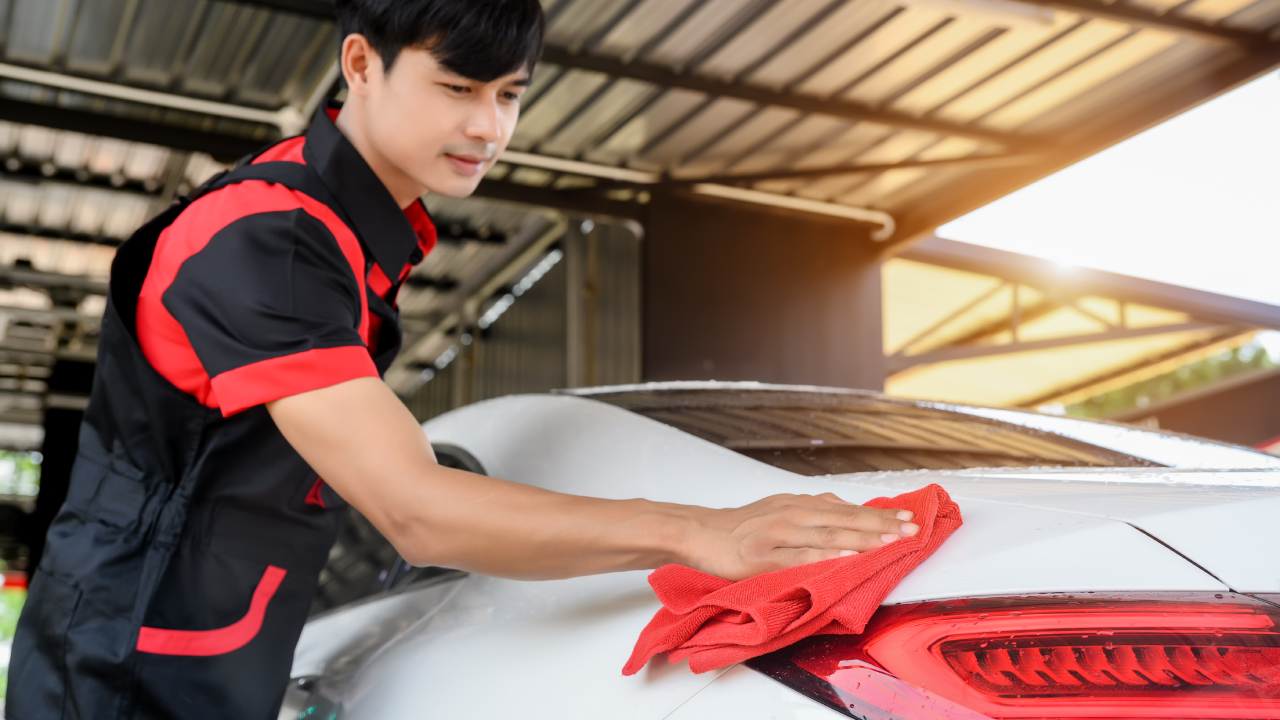
Schedule routine wash and wax treatments for your ride once every six months. They preserve your paint job and prevent corrosion from road salt on your vehicle’s undercarriage if you live in a cold climate. You can also do it yourself to save money. Either way, you want to keep your car’s appearance in tip-top shape, so it won’t affect the value when it’s time to sell.
2. Get routine maintenance
All vehicles have a suggested routine maintenance schedule based on the miles driven. You can find it in the manual or request it from the dealership.
Most cars require routine maintenance every 5,000 miles or six months, but some let you go even longer between services. Mechanics perform an oil change and multi-point inspections to ensure the vehicle is running correctly. They check for wear and replace items like air filters or windshield wipers. The mechanic will also check your car’s fluid levels and alert you if any issues require another look.
To save money over the life of your vehicle, you can learn how to perform some basic maintenance — including oil changes — yourself.
3. Don’t skip major services
When it’s time for a tune-up, you will likely need to swap out older parts for new ones. These include spark plugs, oil filters, fuel filters, PCV valves, belts and hoses. These items’ longevity depends on your vehicle’s make and model. Consider asking the service department for cost estimates before tune-ups are needed so you will be prepared.
4. Get your brakes checked
There is no standard for how frequently you should have your brakes checked. However, experts recommend doing this every time your tires are rotated or every six months.
If you notice a change in your brakes while driving, have them inspected as soon as possible.
5. Check fluid levels often
Select a day each month to check your fluid levels and note it in your calendar. It will only take a few minutes, and you can make a handy checklist to know what to do when the time comes.
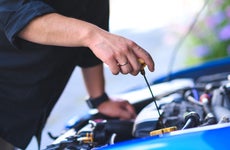
Be sure to include engine oil, coolant, power steering fluid and windshield washer fluid. You should also check the brake fluid and transmission fluid at least twice a year — preferably every six months.
You could wait until it’s time for an oil change to have your fluid levels checked. However, low fluid levels could indicate significant issues with your vehicle. Plus, you will likely spend more money later on repairs if the issues are left undetected.
6. Pay attention to your tire tread
Low tread on your tires puts you at risk of losing control of your vehicle, particularly when you’re driving in the rain, sleet or snow. But there are two easy, inexpensive ways to monitor your tire tread. You can buy a tread depth gauge or use a penny.
If you choose the latter, insert the penny upside down into the tread with Abraham Lincoln’s face looking outward. If Lincoln’s head is fully visible, you probably need new tires. Take the car to a tire dealer to confirm.
7. Keep your tires inflated
Proper tire inflation contributes to vehicle safety and optimal fuel efficiency. If you have a newer vehicle, you will likely get an alert on the dashboard when your tire pressure is low. But if this feature isn’t available in your car, purchase a tire-pressure gauge to monitor your tires’ air levels.
Refer to the sticker directly inside the pillar of the driver door to confirm the proper inflation levels for your car. If the pressure is low, inflate the tires to the correct level.
8. Don’t ignore leaks, sounds or smells
Is there fluid on the ground from your car? Does it make weird noises when you crank it up, accelerate to a certain speed, turn a corner, back up or sit at a traffic light? Are there strange smells coming from your vehicle that you don’t recognize?
These signs shouldn’t be ignored as they indicate that your car could need repairs. But if you ignore them and put investigating them off, you could spend several hundred or thousands in repairs later.
9. Pay attention to alerts
Whether it is the dreaded check engine light that pops up or some other icon you have never seen, don’t ignore it. Instead, take your car in to be checked out since it’s trying to communicate that something isn’t quite right. Even if it’s not that big of a deal, better to be safe than sorry.
The bottom line
Depending on the make and model of your vehicle, the cost of maintaining it could put a slight dent in your wallet. However, being proactive and performing preventative maintenance could save you a fortune and extend the life of your car. It can also help preserve your car’s value. Having positive equity works in your favor if you want to refinance your car loan.
Frequently asked questions
-
Engine oil should be replaced every 5,000 to 7,500 miles.
-
Tire pressure should be checked once a month. Don’t take a reading right after driving — wait for the tires to cool down.
-
Brake pads should be changed every six months and should be inspected during routine service. Your brakes should also be checked during routine tune-ups.
-
Your car’s engine oil, coolant, power steering fluid and windshield washer fluid should be checked once a month. Brake fluid and transmission fluid should be checked twice a year – preferably every six months.
-
Your car’s battery should be replaced every four to five years.
-
Tune-ups should be completed annually for older cars or every 25,000 to 100,000 miles for newer cars with electronic ignition.
-
Some car insurance companies may consider the fact that you are taking the time and money to maintain your vehicle as a sign that you are a responsible owner. It’s best to ask your insurance provider directly about how it determines rates.


Related Articles